
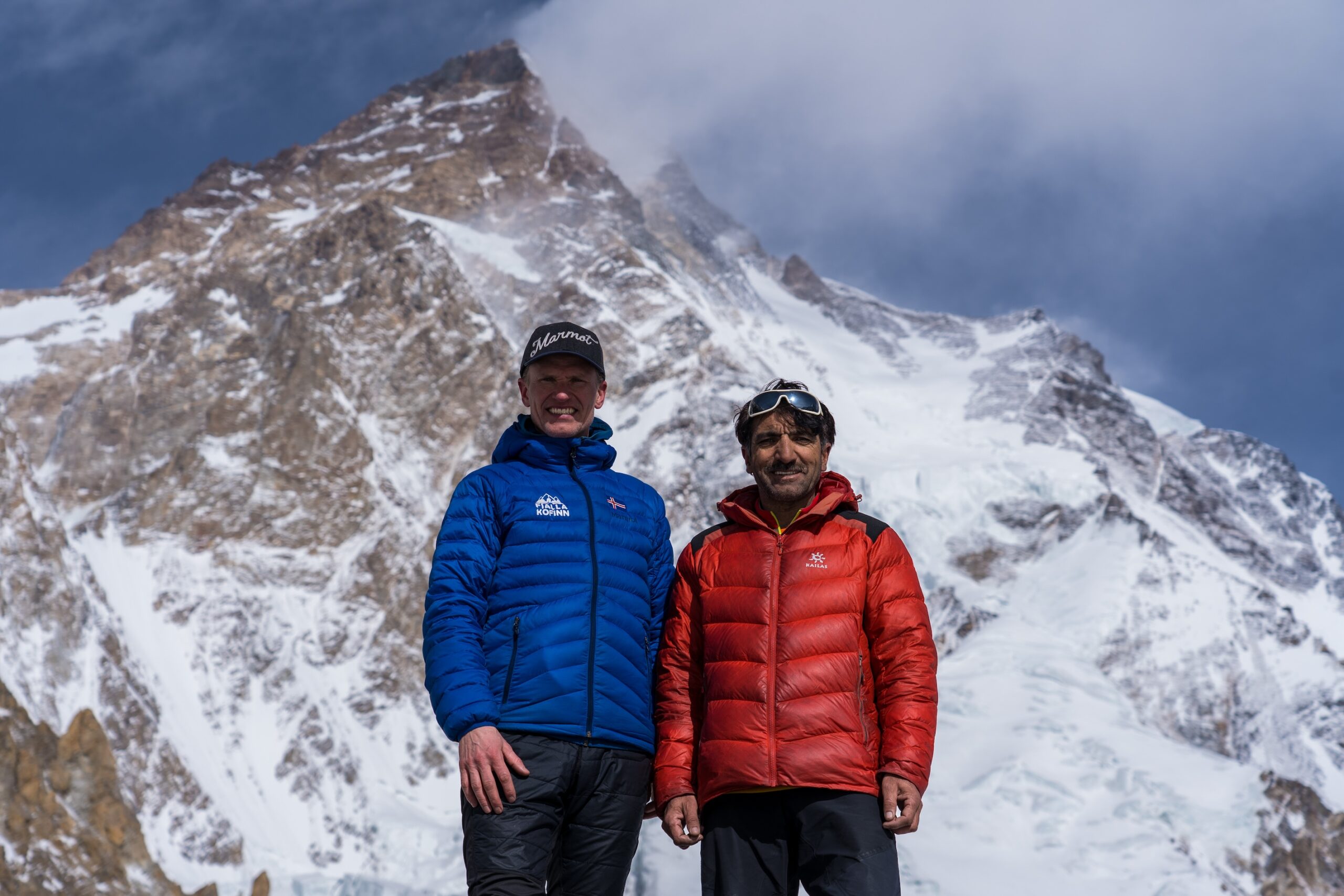
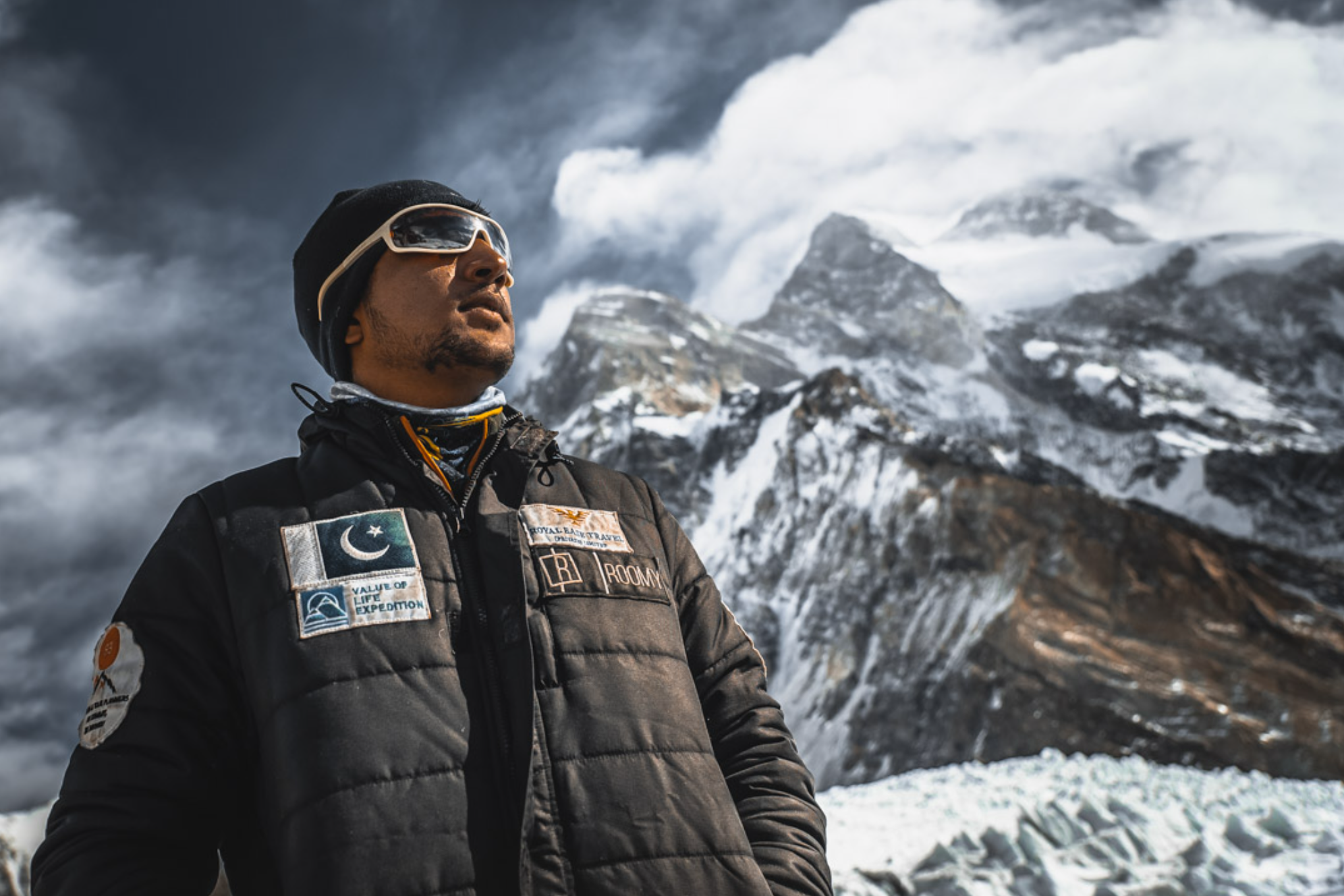
Sajid Sadpara said the overwhelming love and support for his father, national hero Ali Sadpara, had given great strength to him, his younger brothers, his sister, and his mother. On returning to Skardu and meeting the media, Sajid stated that the climbers had gone missing in the death zone, that the chances of their survival were minimal, and that no more lives should be placed in danger during the search. Saikaly, who had worked alongside the three men and counted them as friends, paid tribute to John Snorri, Ali Sadpara, and Juan Pablo Mohr.
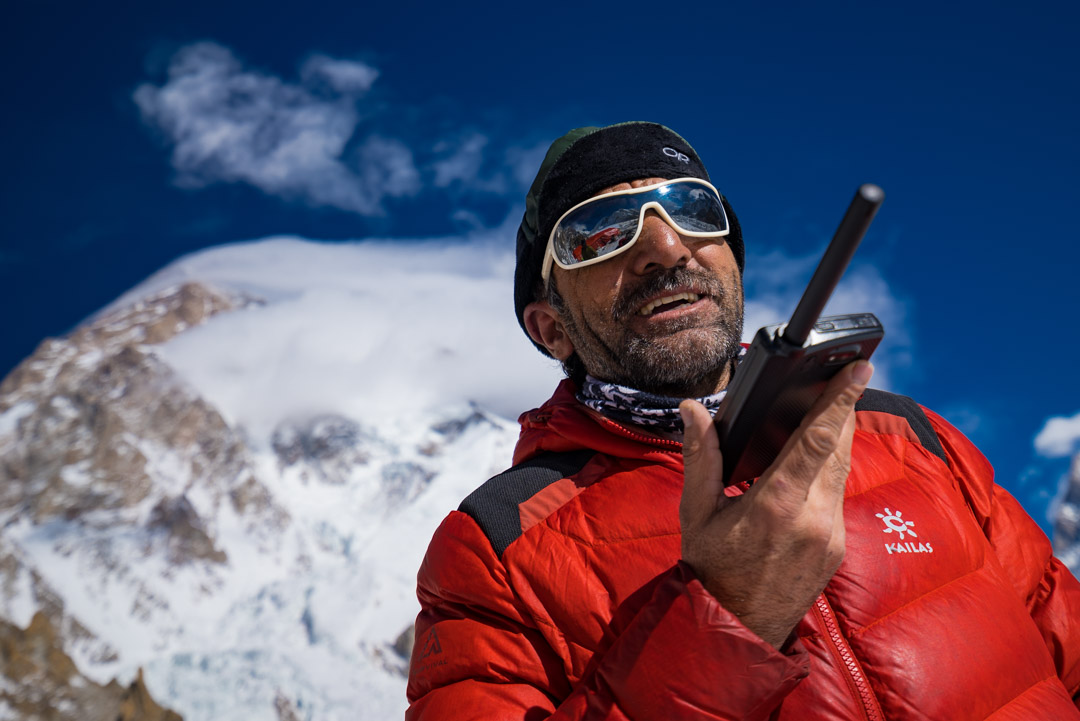
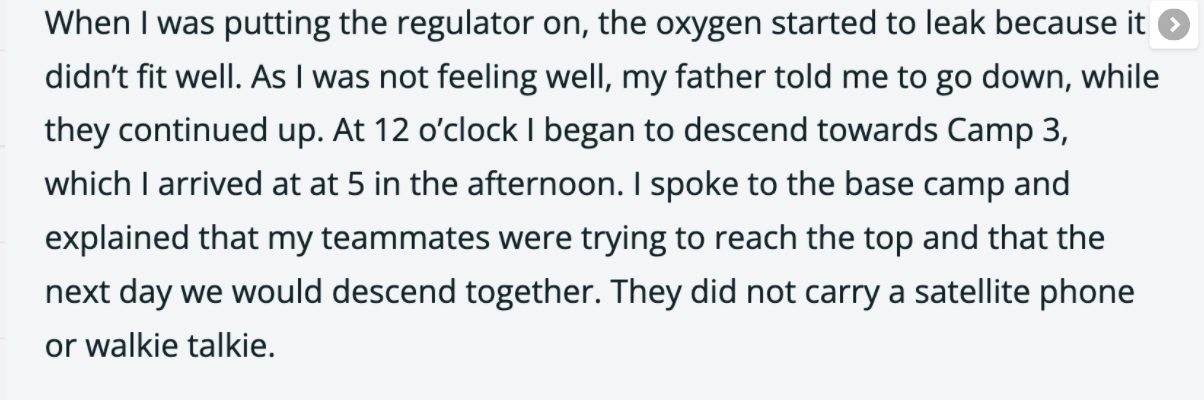
One of the most widely circulated photographs taken by Elia Saikaly from the expedition shows Ali Sadpara holding a Thuraya satellite phone at base camp. Yet in the days after the climbers disappeared, Sajid Sadpara stated in the media in Skardu after departing K2 that the summit team had carried no radio and no satellite phone - and when Sajid searched for the devices in the summer of 2021, no phone was ever recovered.
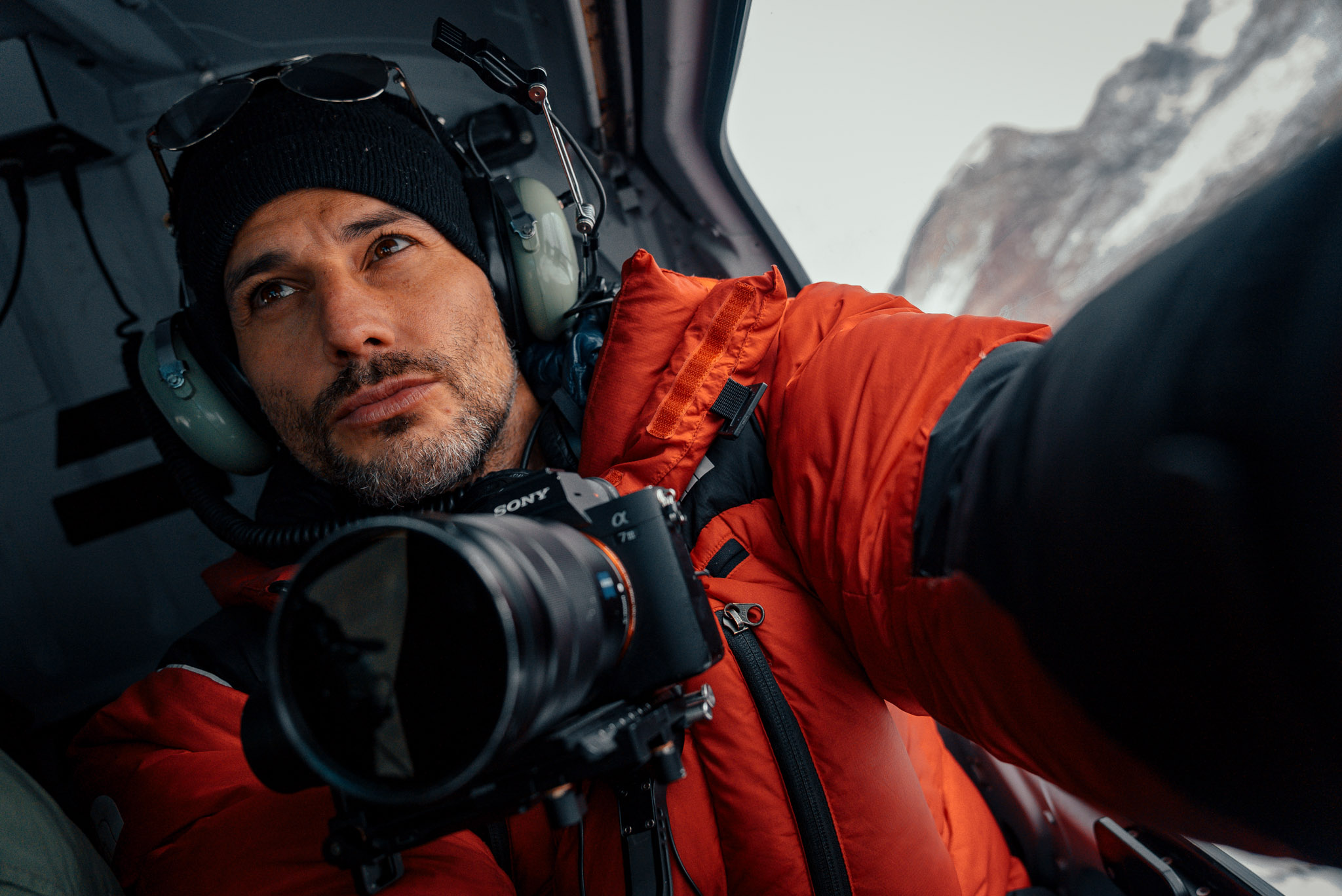
Saikaly had come to K2 to tell one story; in the end, a very different one unfolded in front of his lens. He and the Snorri team had worked closely from the start, and he and PK Sherpa had endured a relentless stretch - two summit pushes and an ambitious plan to follow and film three of the strongest climbers on the mountain, largely unacclimatized, short one support HAP, and only recently recovered from COVID on January 10th. The team did what was required to support the three climbers. On February 8th, Saikaly departed base camp for Skardu.
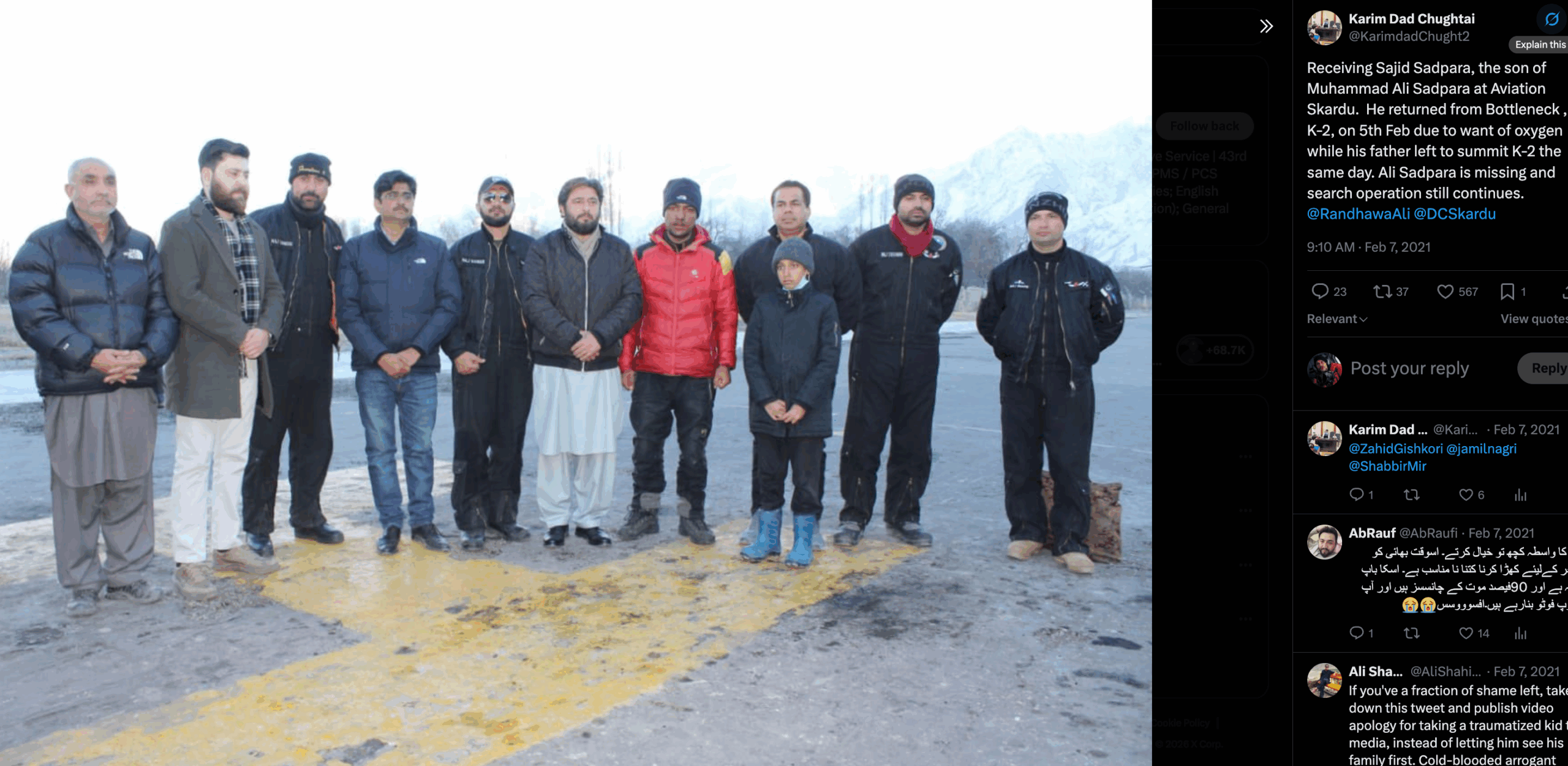
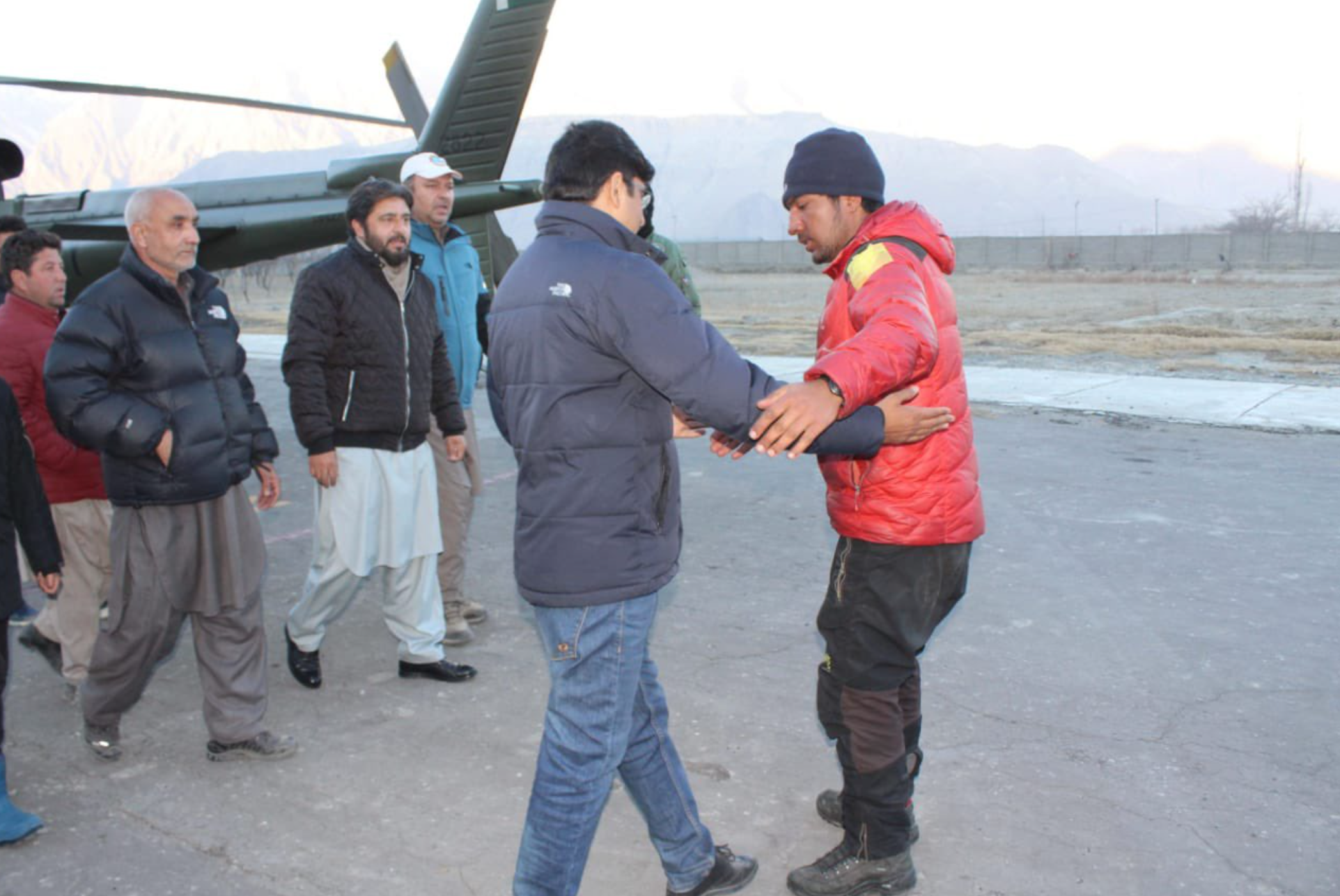
Two days after turning back at the Bottleneck for want of oxygen — while his father continued toward the summit - Sajid Sadpara was flown down and received by officials at Aviation Skardu. He returned home alone, his father Ali still missing on K2 as the search operation continued. For the 21-year-old, it was a devastating homecoming: down off the mountain, but without the men he had climbed it with.
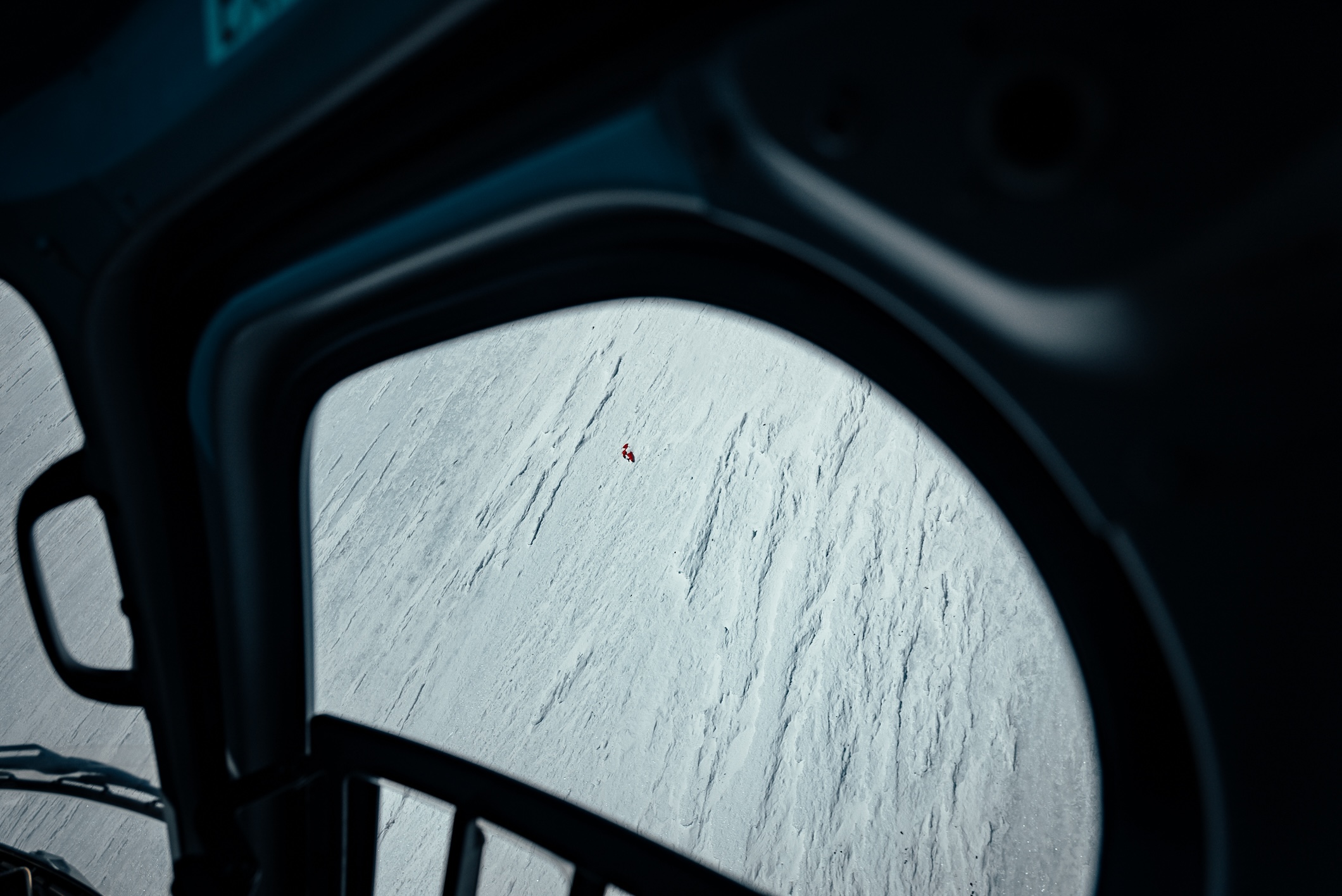
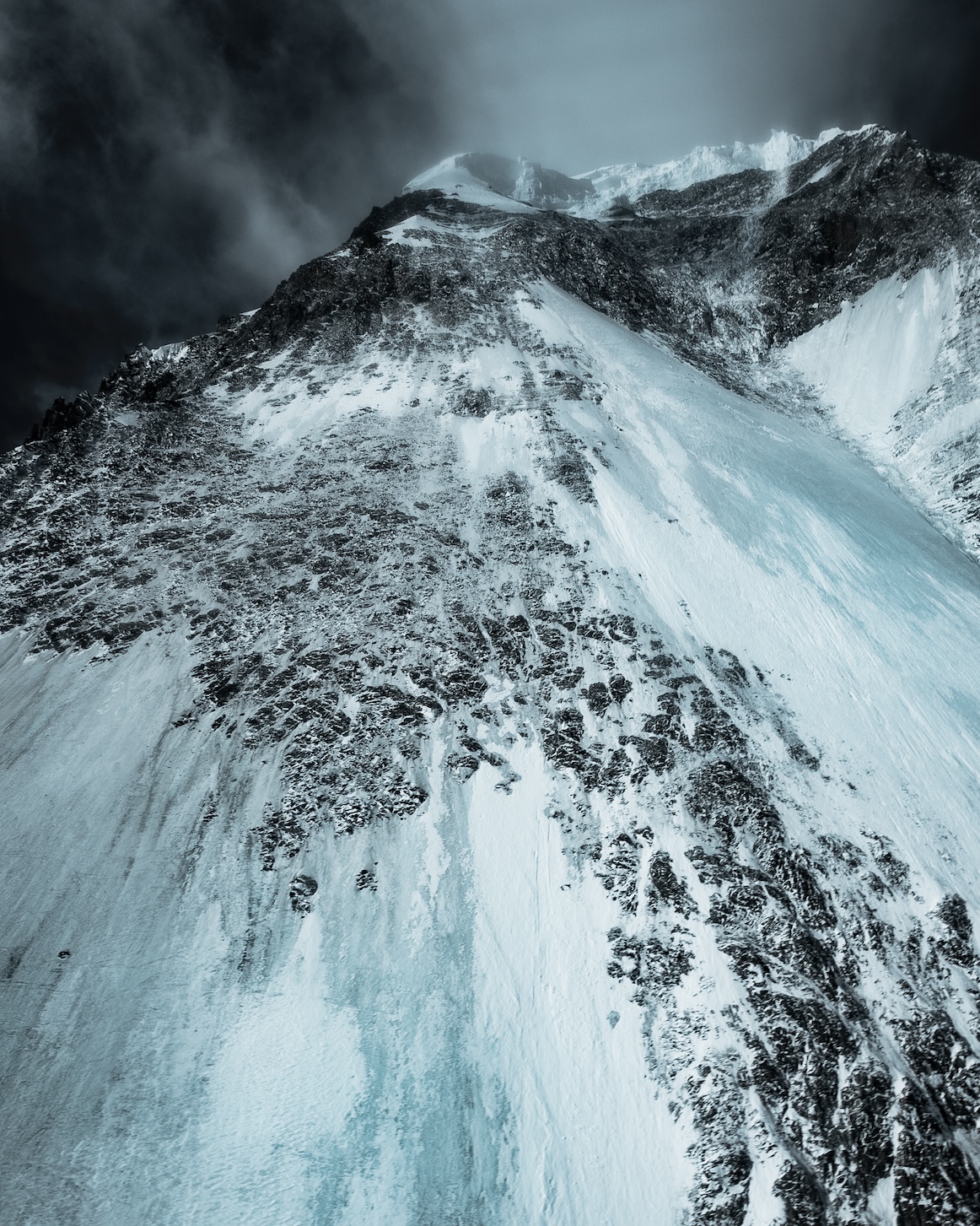
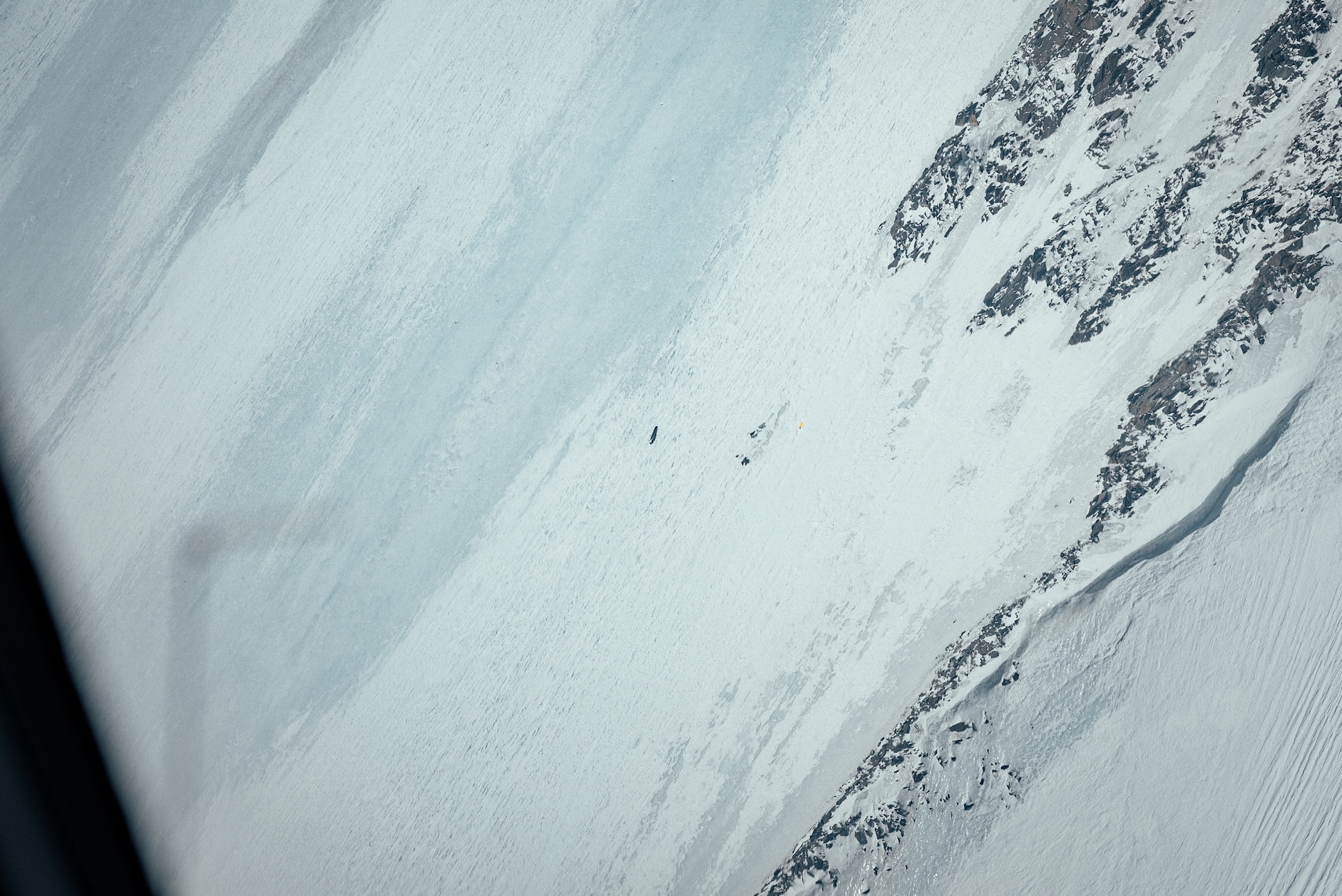
Saikaly joined one of the search-and-rescue flights, where the pilots identified a few potential leads that seemed to match the yellow and red down suits John Snorri and Ali Sadpara had been wearing. From a great distance it looked like a solid lead — but a telephoto lens, a closer fly-by, and an expanded view later on a laptop revealed the objects to be a similarly coloured tent, mat, and sleeping bag. The imagery was shared with three governments across three countries - reflecting the international scope of the search for the missing climbers.
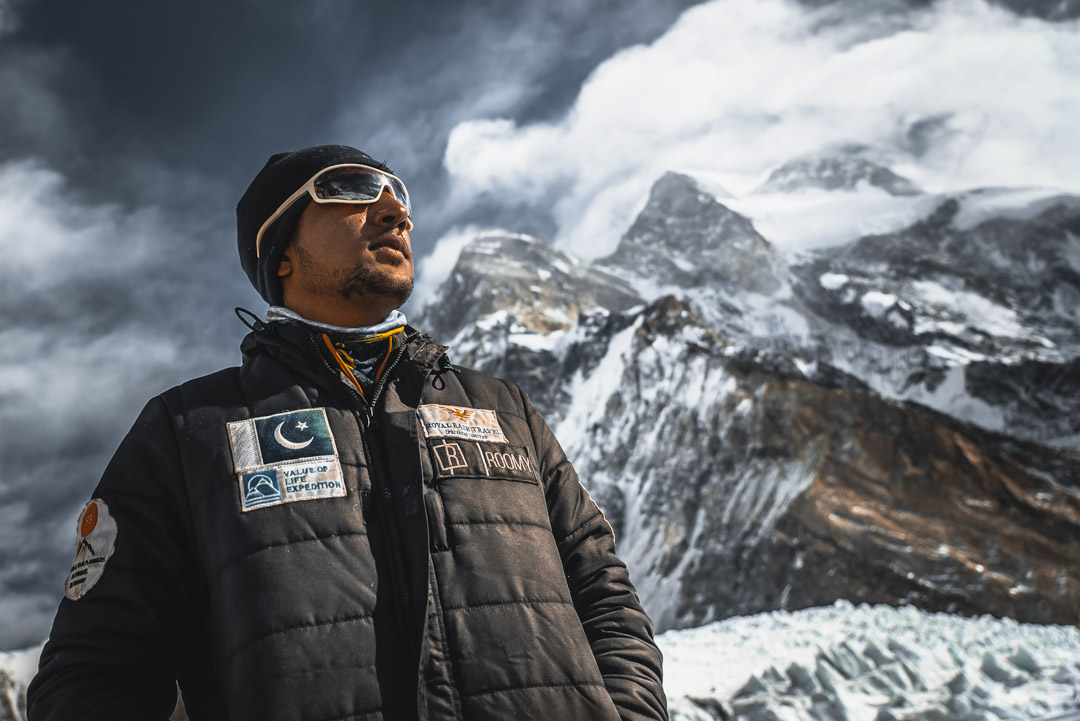
Having turned back at the Bottleneck the day before after an oxygen-regulator failure, Sajid Sadpara continued down K2 alone on the 6th - carrying the team's single radio. He left his father, Ali, John Snorri, and Juan Pablo Mohr still high on the mountain, last seen pushing for the summit on the 5th.
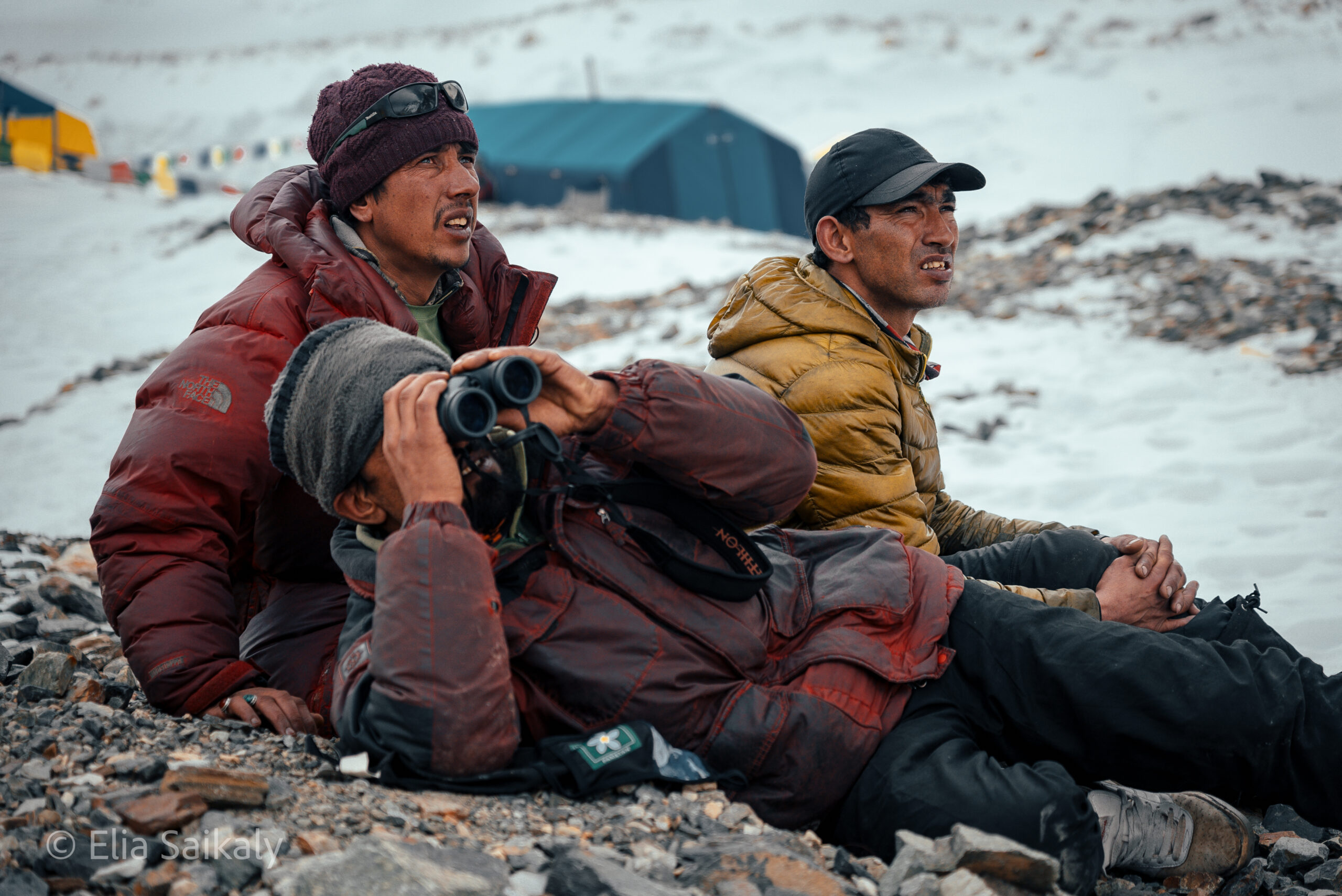
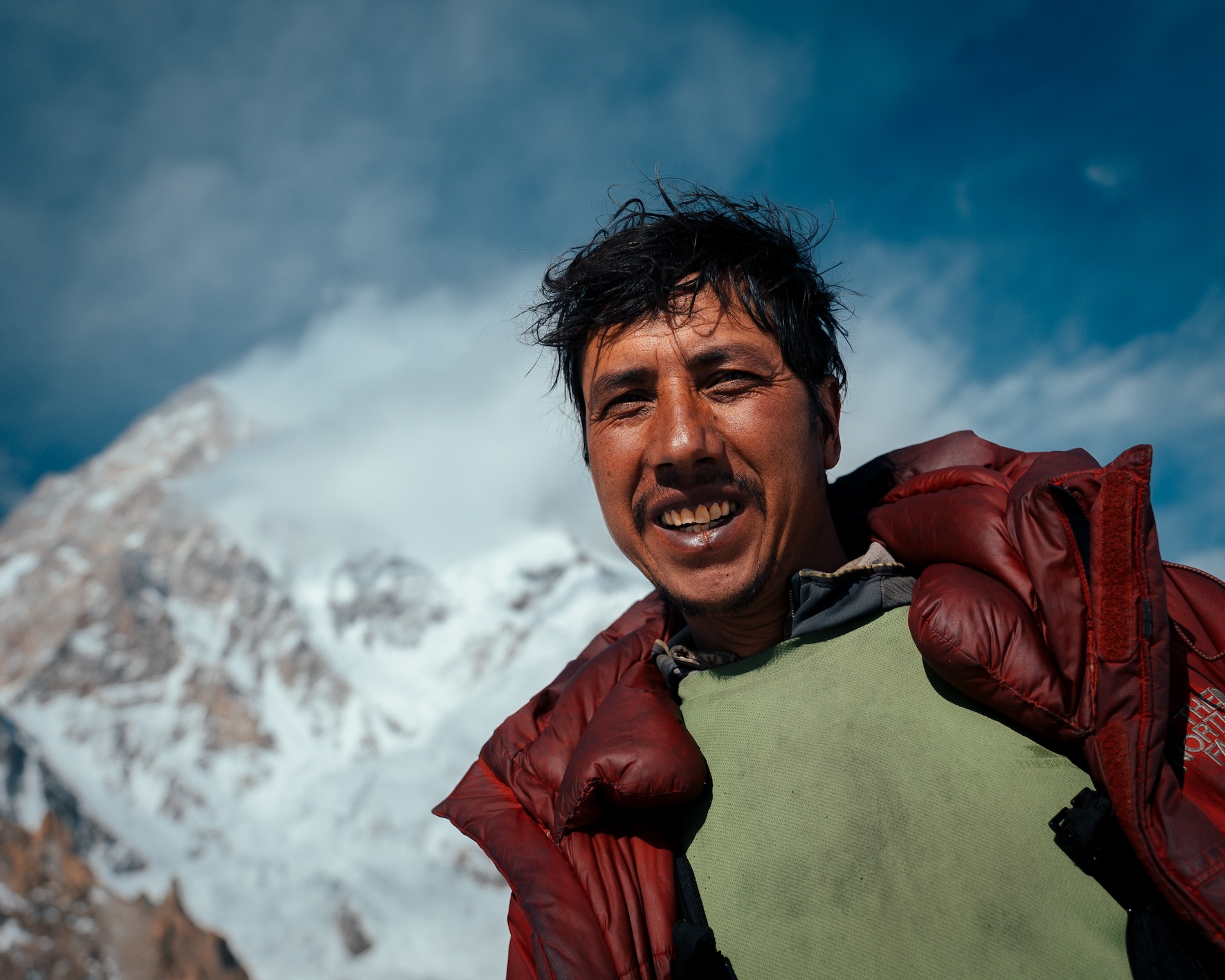
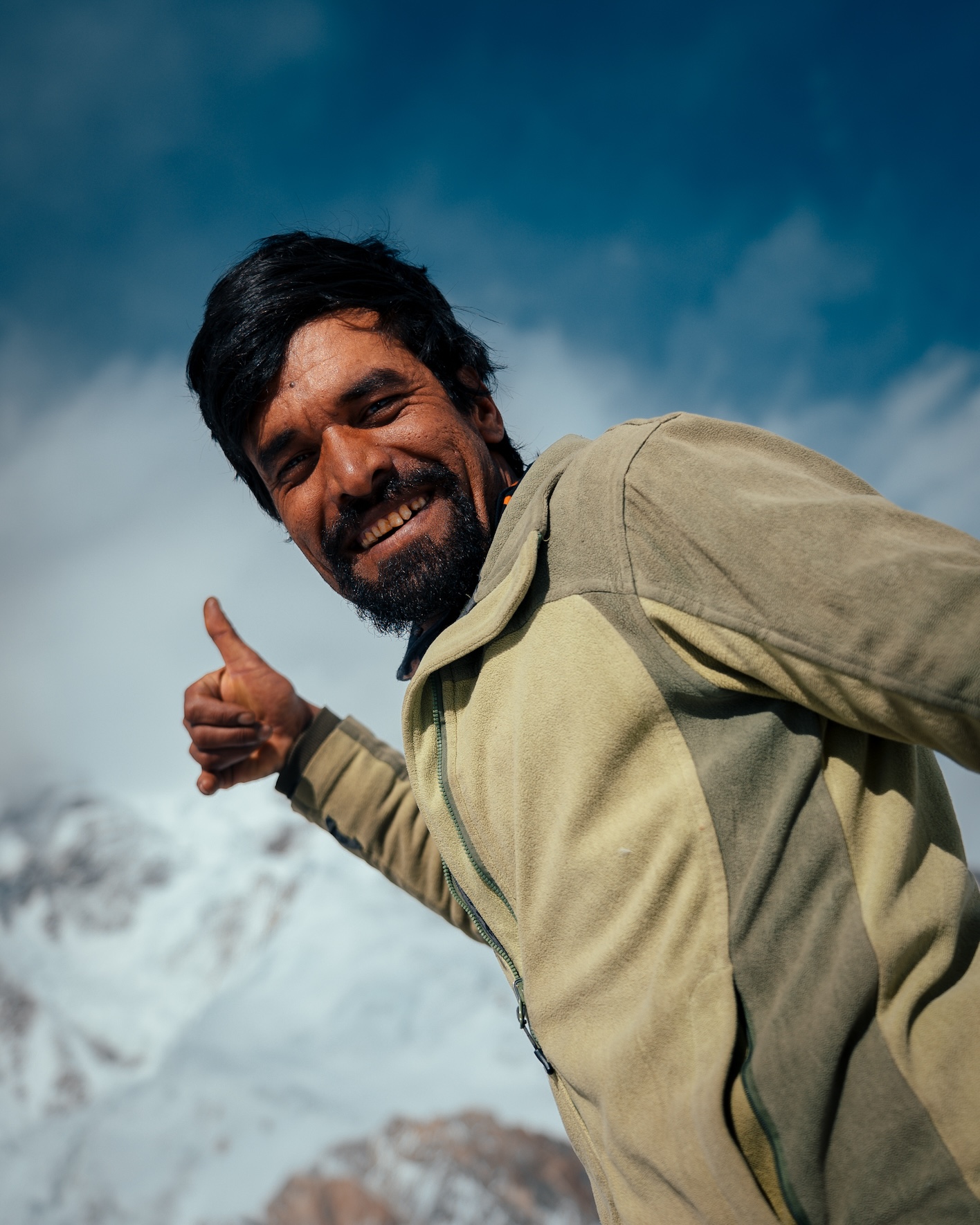
Behind Ali, John, and Sajid's expedition stood the base camp team - among them Mohsin and Shahid, who kept the camp running from dawn until late at night. They were never just staff. Mohsin, a 15-year friend of Ali Sadpara who had worked alongside him for years, and Shahid were close to the family and bonded to the climbers through weeks of shared life on the mountain. They waited through the long silence after February 5th like the friends they were - concerned, hoping, and holding on for word that never came.
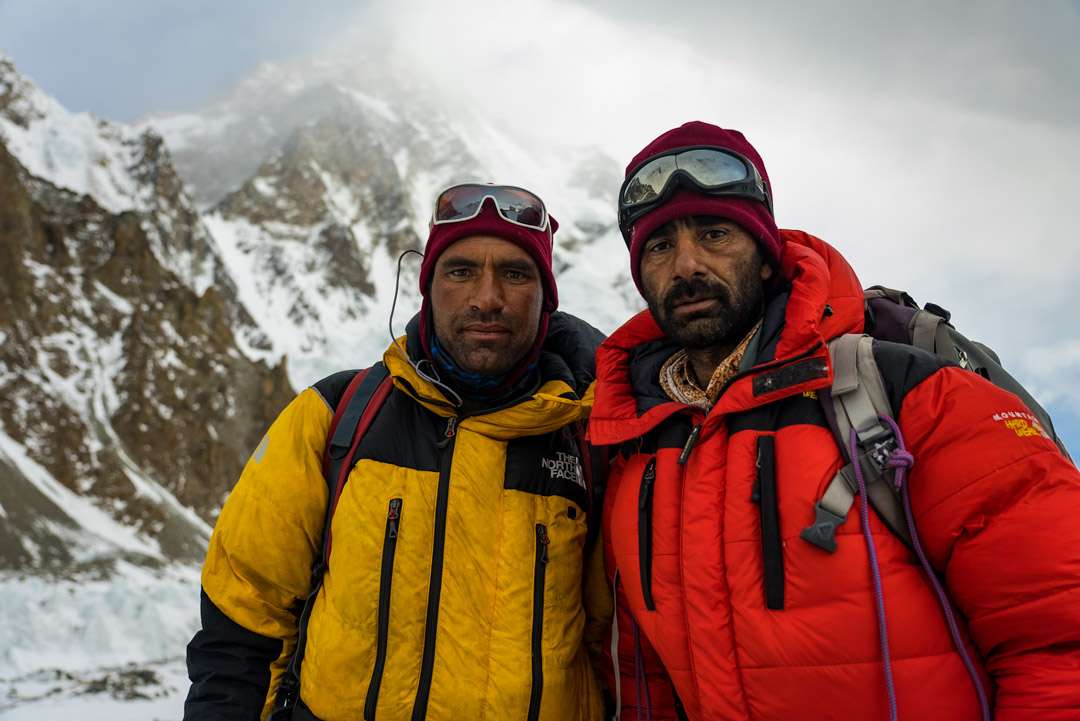
Sajid Sadpara had turned back at the Bottleneck after an oxygen failure and descended alone, without his father, Ali — carrying the team's single radio. Imtiaz and Akbar, friends and relatives of the Sadparas, met him at Advanced Base Camp (ABC) and walked him the rest of the way back to base camp. He returned without the rest of the team.
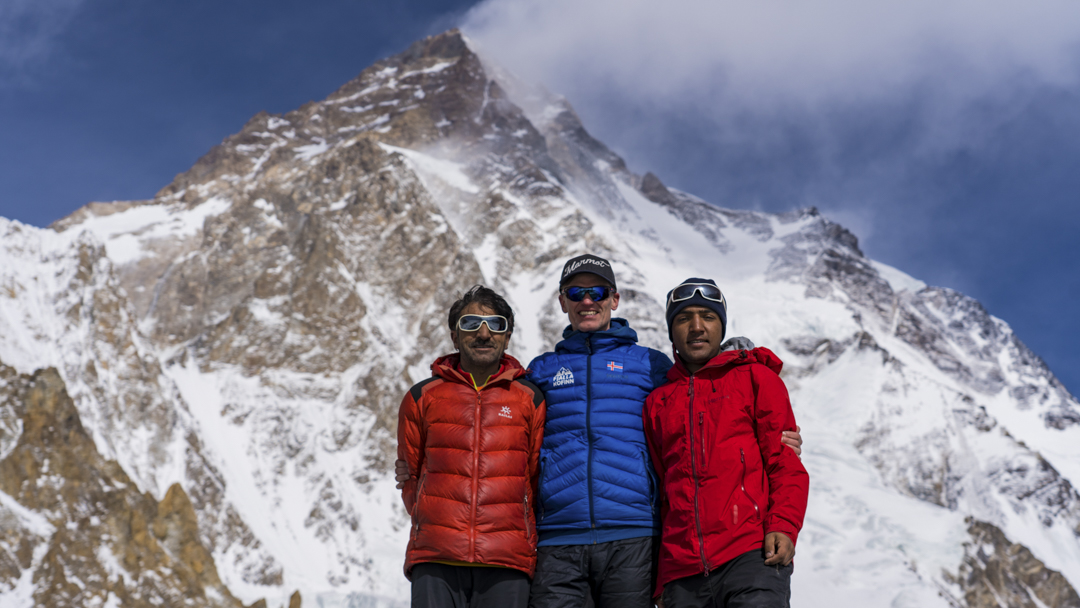
John Snorri and Ali Sadpara had not been seen or heard from since the morning of the 5th. PK Sherpa, Fazal Ali, and Saikaly — now without Jalal — made a three-day push from base camp to Camp 3, after two and a half weeks on the mountain. They suffered but kept climbing, loaded like mules and gathering footage the whole way, trying to catch up with John, Ali, and Sajid. The two teams had crossed paths at Camp 2, and the plan had been to follow and film the climbers as far as their strength allowed from Camp 3. As the silence stretched on, the team could only pray for a miracle.
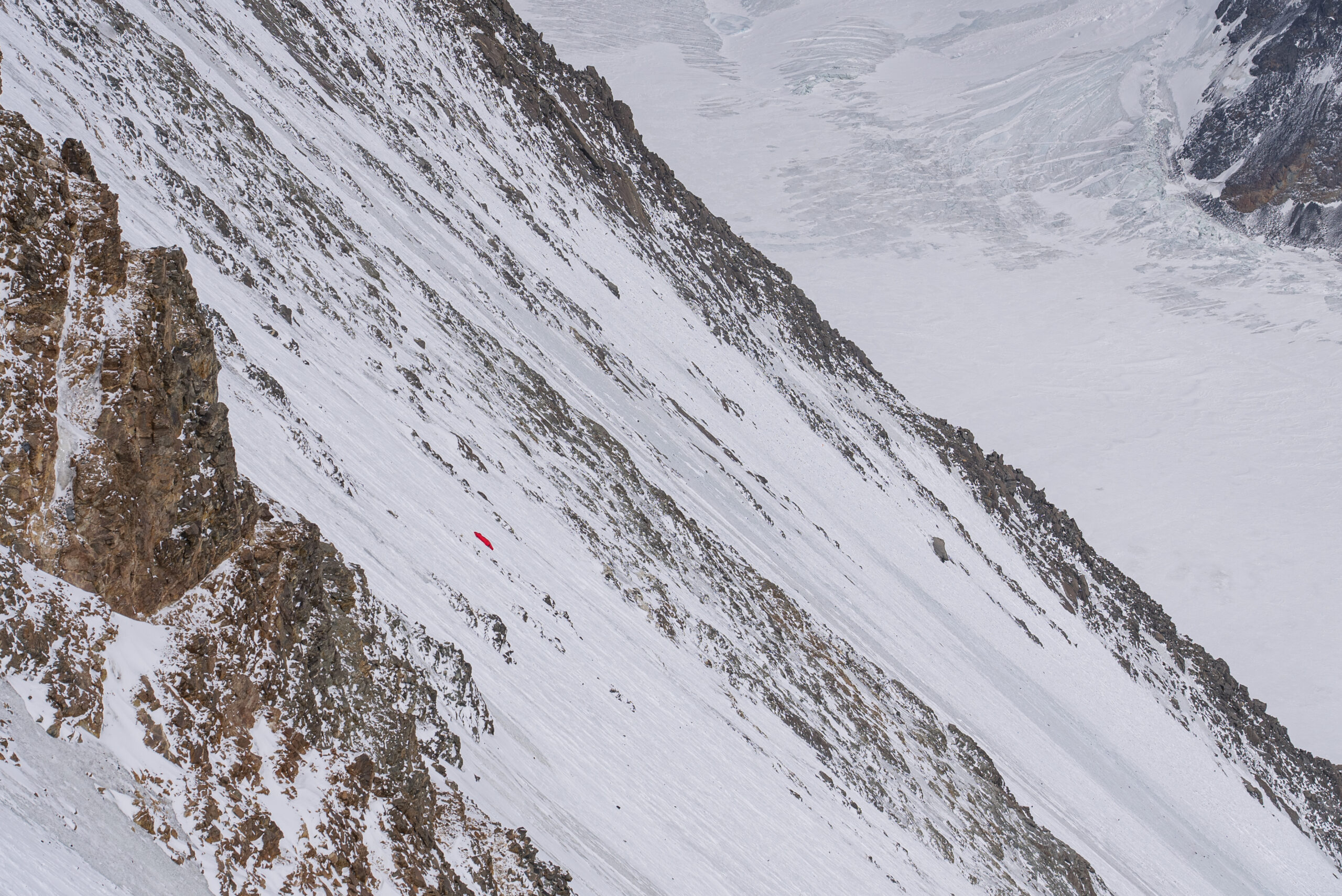
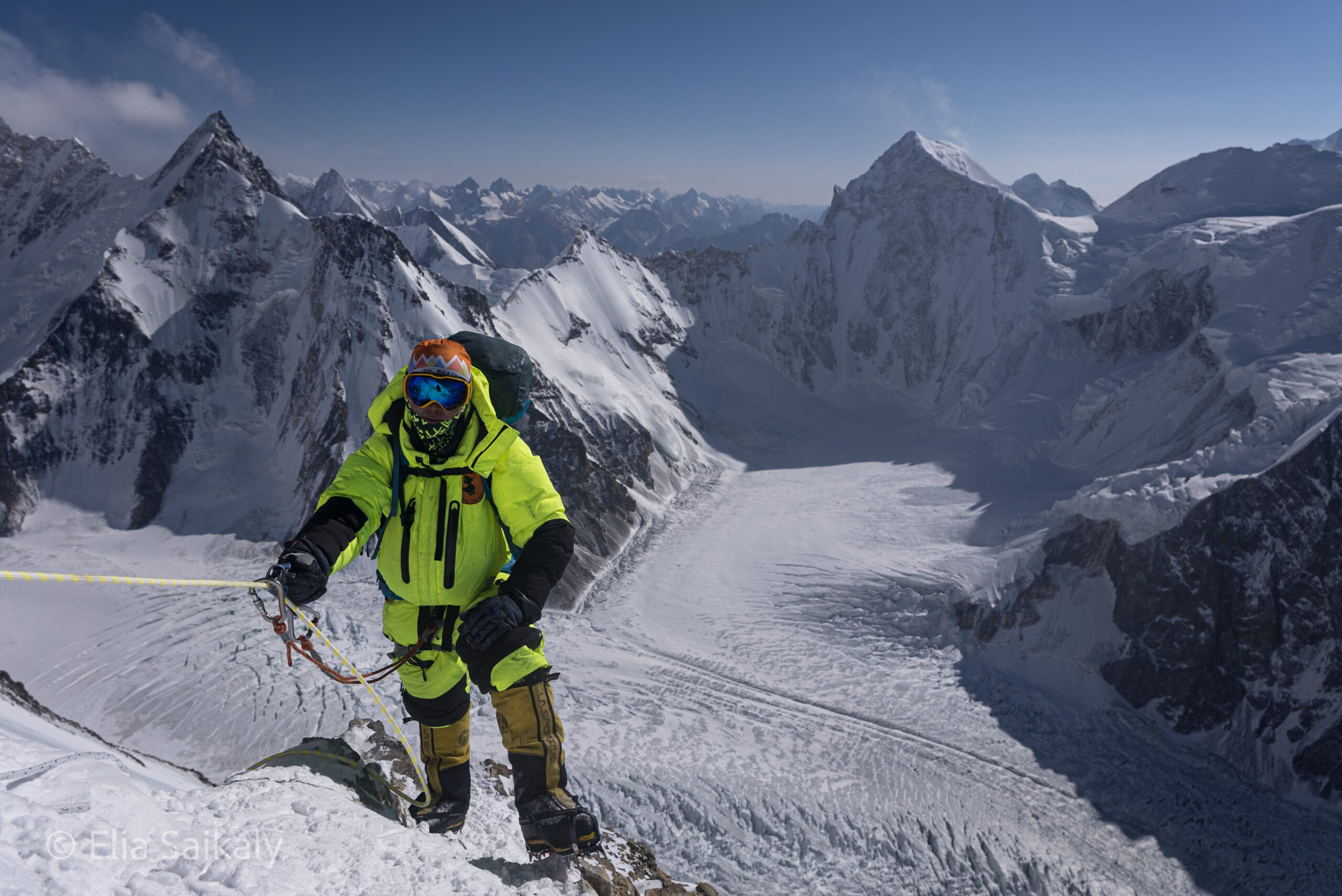
The red mark on the slope is the down suit Atanas Skatov was ejected from during his fall on February 5th, photographed by Saikaly during his own descent — hours before John Snorri, Ali Sadpara, and Juan Pablo Mohr were reported missing high on the mountain. (Swipe to see Lakpa Dendi, the last person to see the Bulgarian climber alive.)
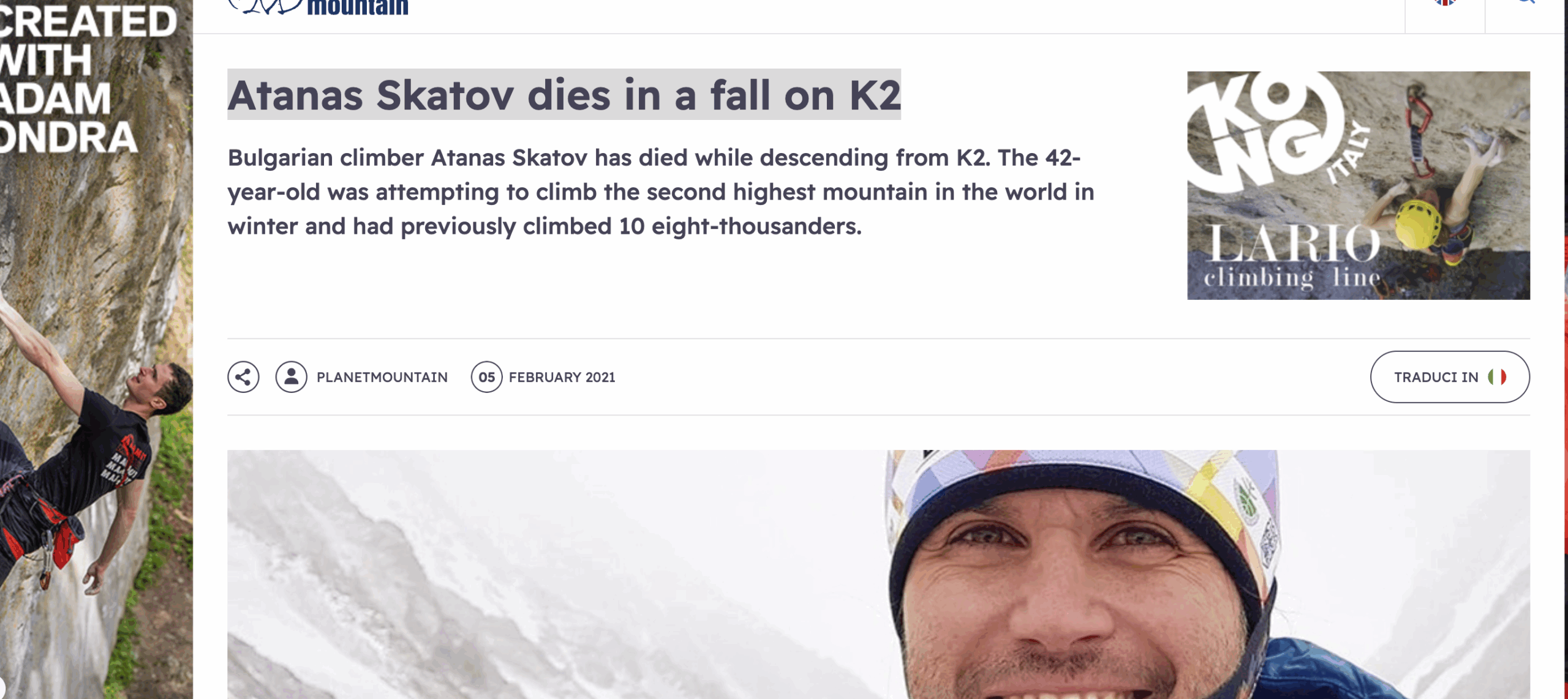
Bulgaria's Atanas Skatov perished on the morning of February 5th after falling during his descent near Japanese Camp 3.
His death was announced by Chhang Dawa Sherpa, expedition leader of Seven Summit Treks:
"Rest in peace, Atanas. Friday 5 February, around 10:30am, our member Atanas from Bulgaria fell from the rope near Japanese C3. Atanas was climbing with his Sherpa and went a few metres ahead so the Sherpa could see it properly. While changing his safety from one rope to the other, it seems some errors occurred and he fell down. Sona, Pechhumbe and I went to the spot and retrieved the body. The army was extremely quick and efficient."
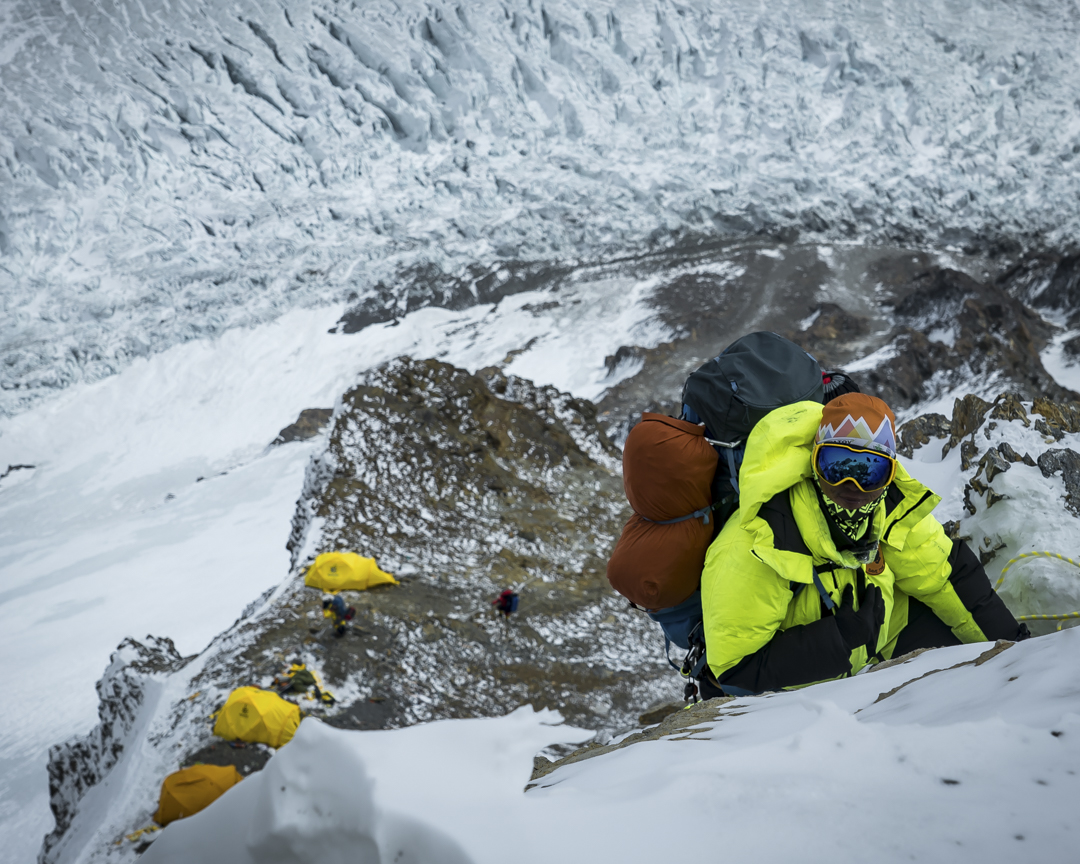
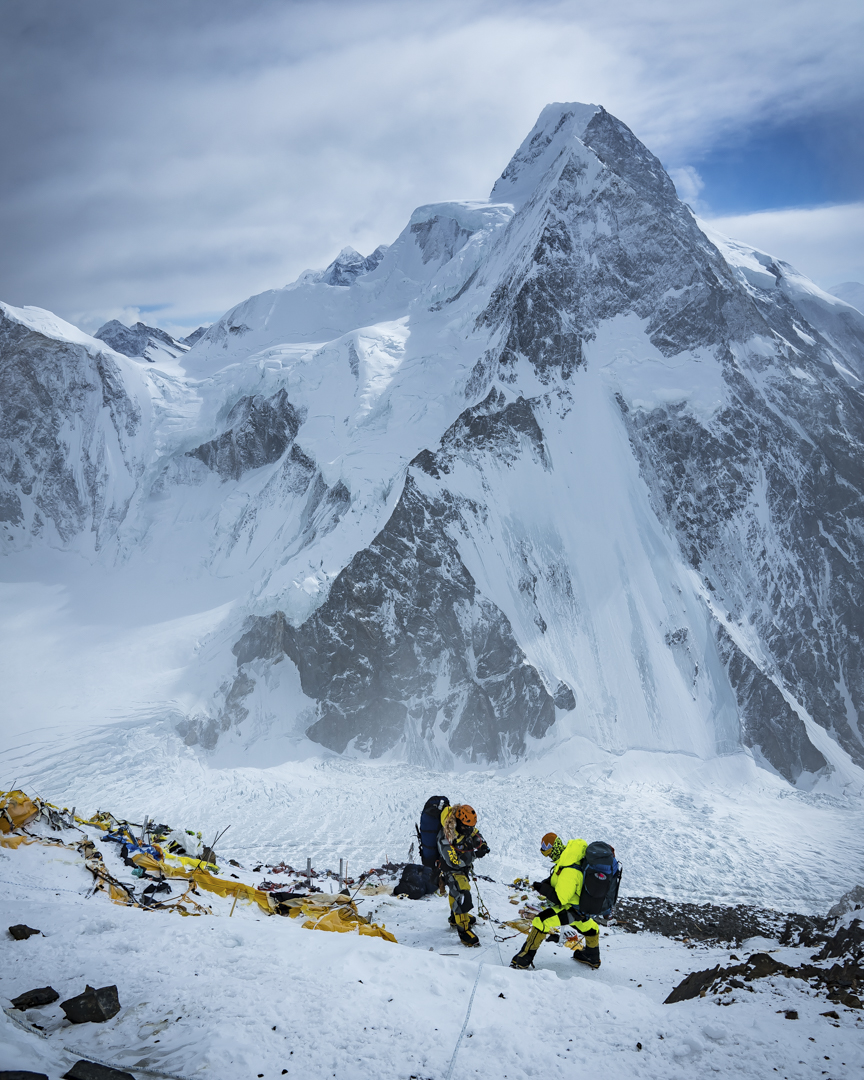
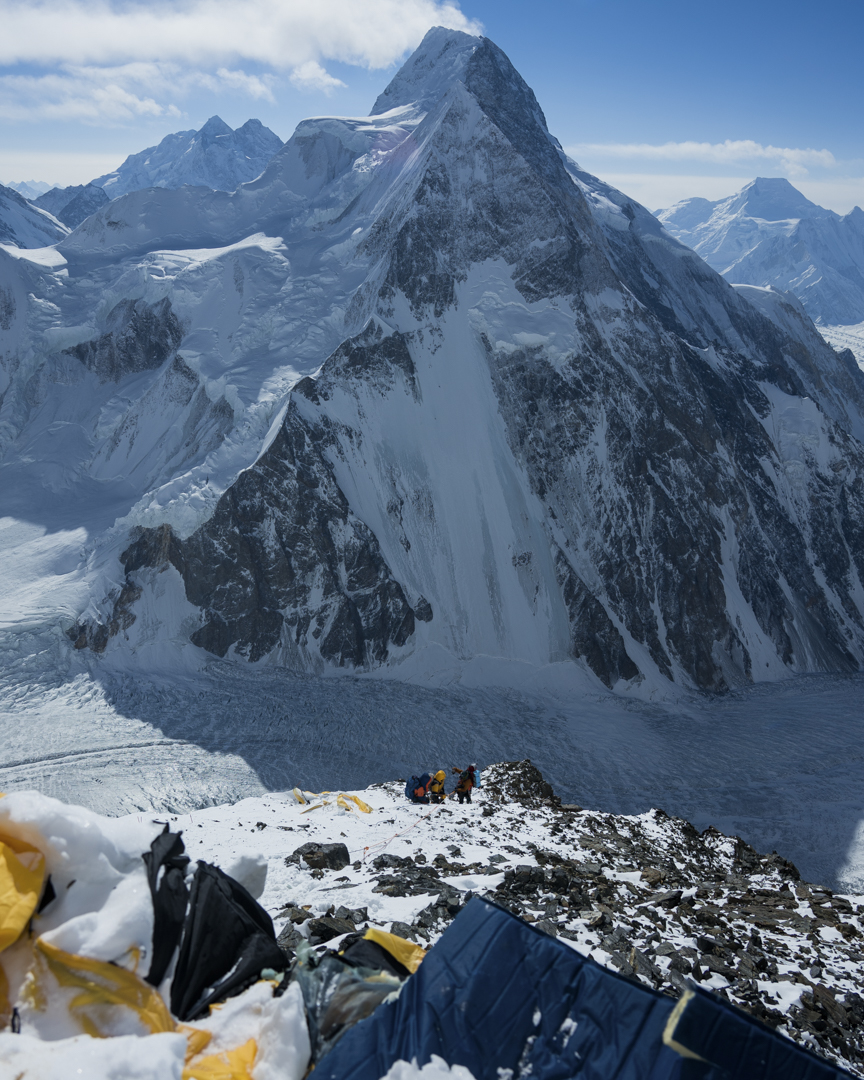
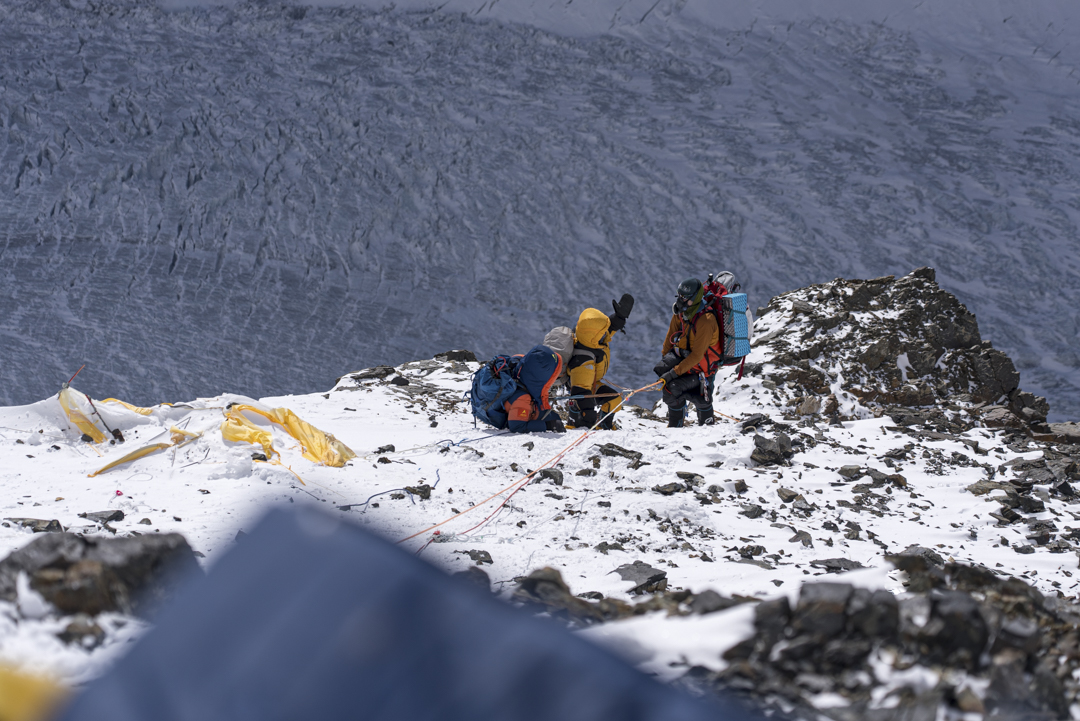
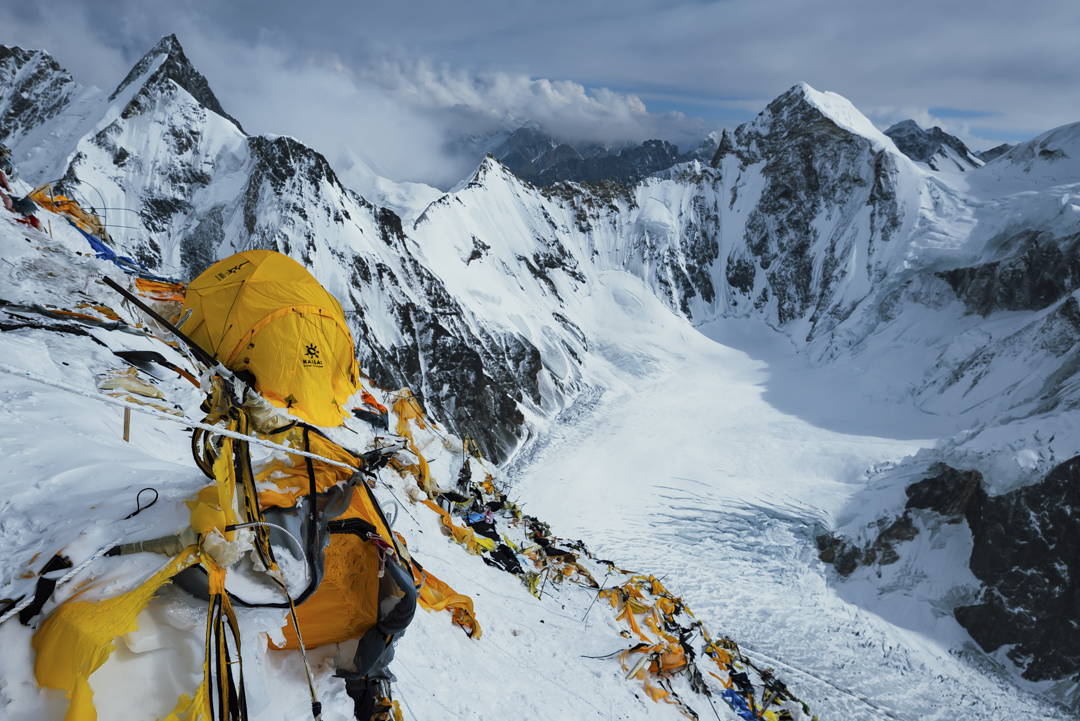
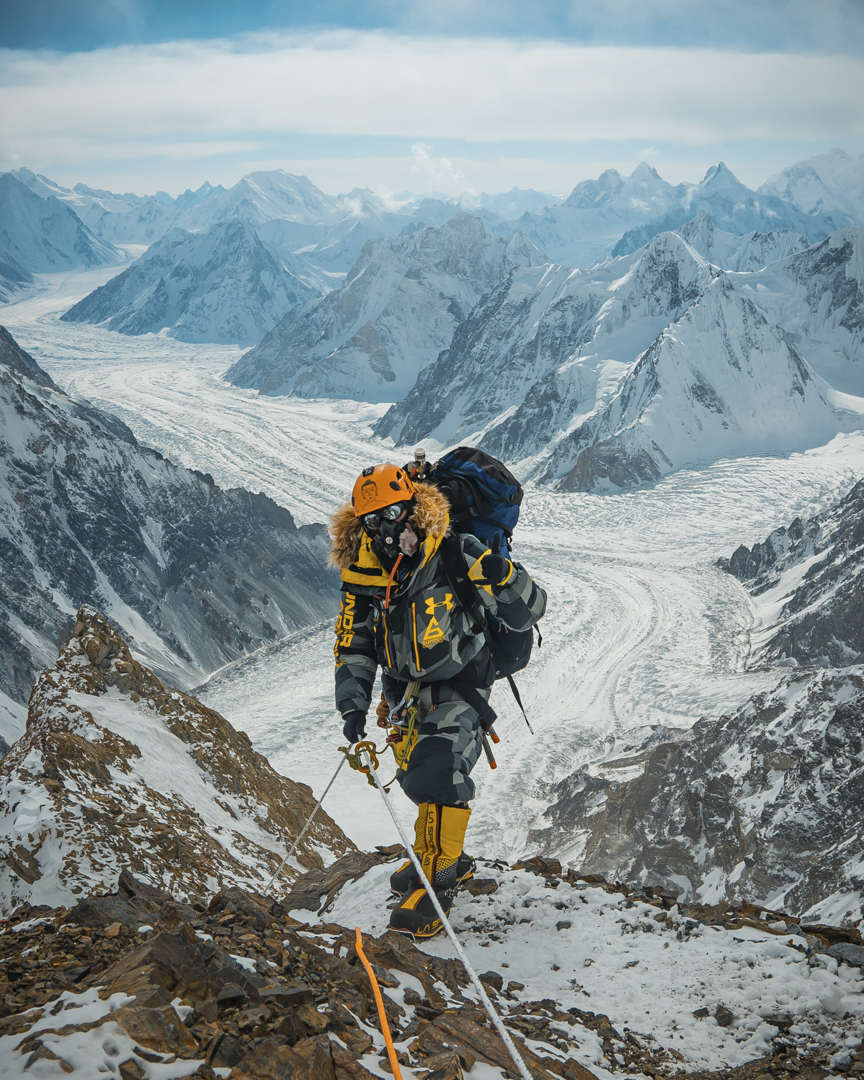
As the weather window slammed shut on February 5, climbers at Camp 3 (7,300m) began descending through the morning and early afternoon, most having already judged the strengthening winds and extreme cold too dangerous to push higher. Colin O'Brady, Tamara Lunger, Noel Hanna, Tomaz Rotar, and other Seven Summit Treks climbers also turned back at Camp 3 and descended. Bulgarian climber Atanas Skatov was not as fortunate - he fell to his death while descending the Black Pyramid. Slightly kower on the mountain, Elia Saikaly, PK Sherpa, and Fazal Ali were already on their way down, following the unfolding chaos by radio and witnessing Skatov's fall.
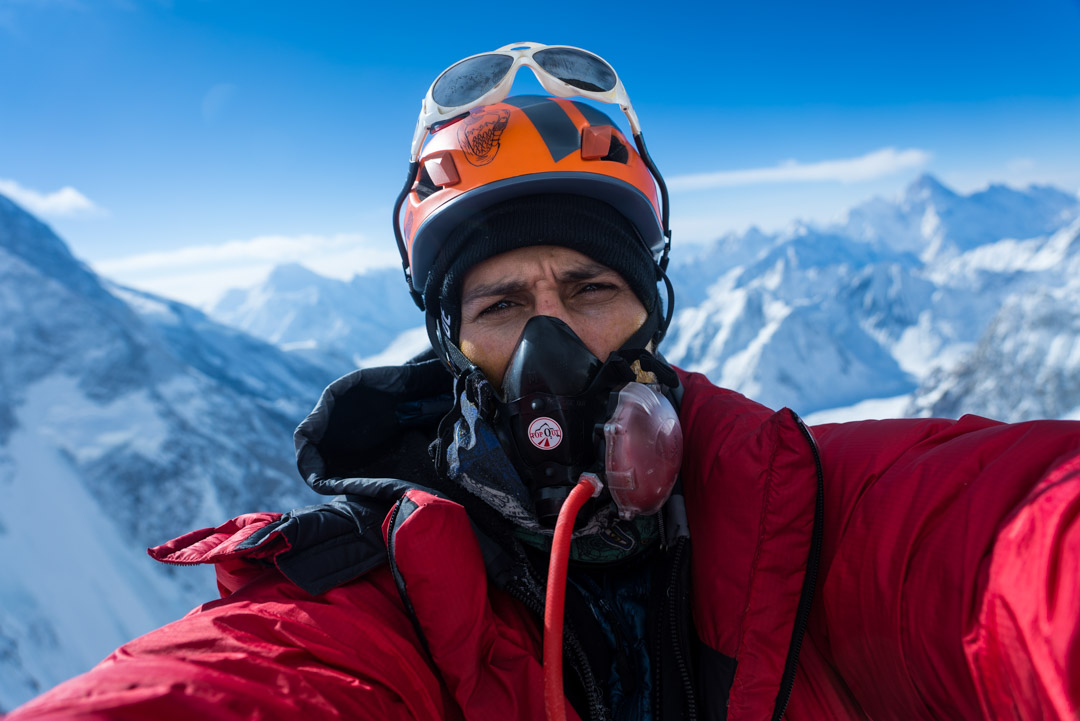
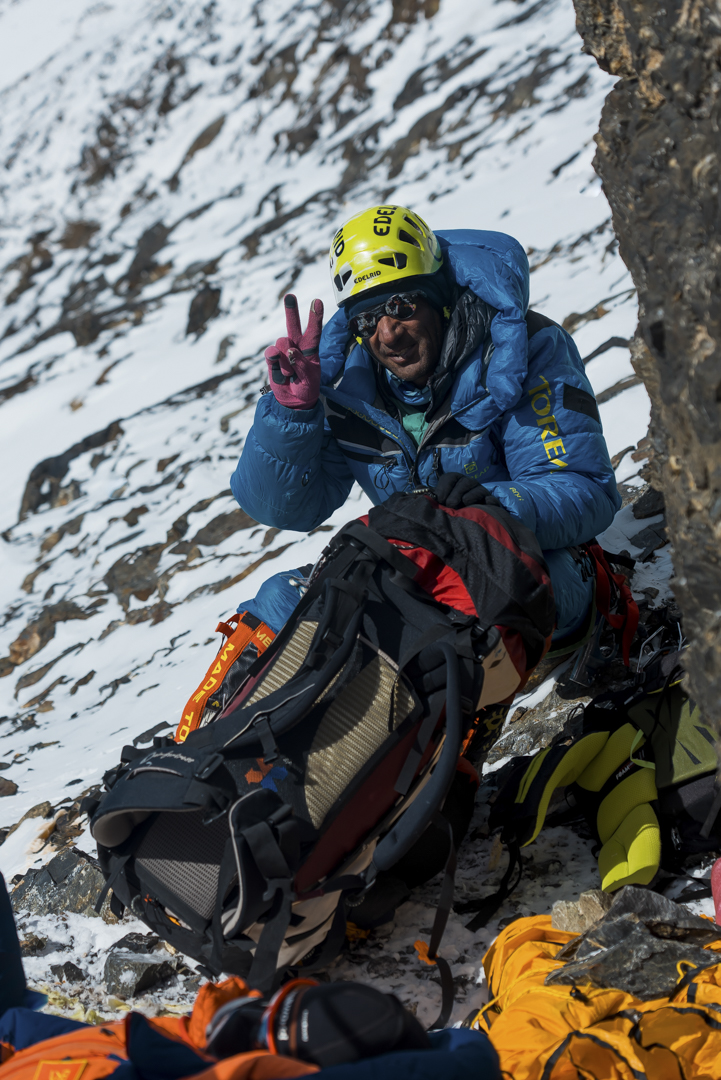
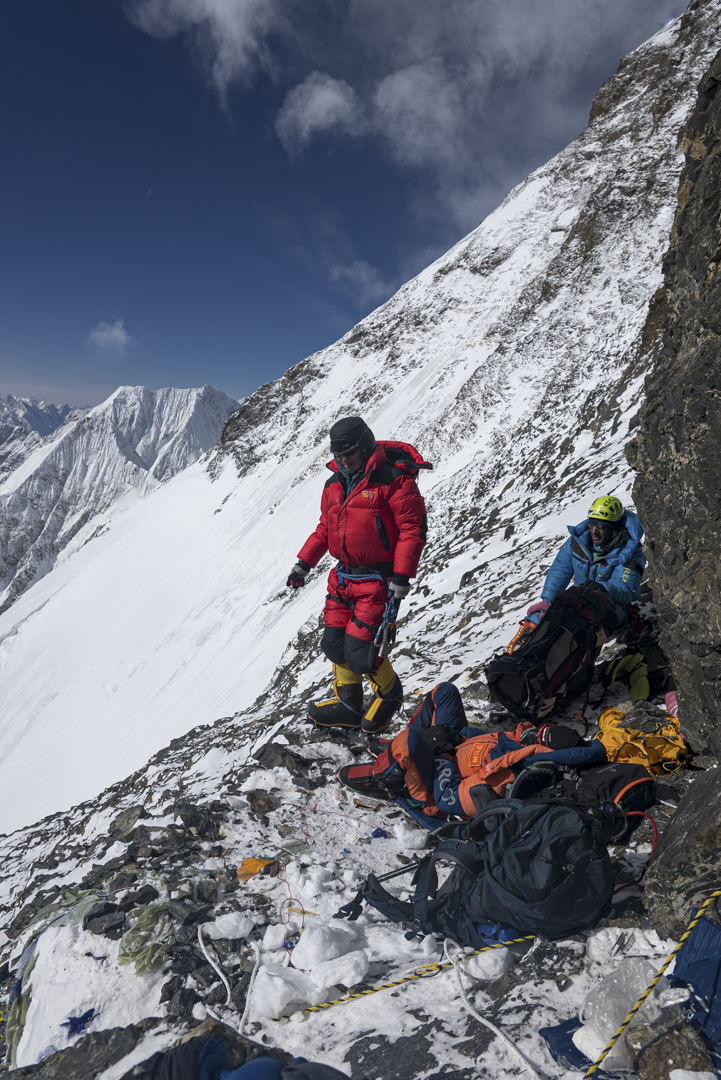
Saikaly's team decided to hold at Japanese Camp 3, weighing a shortage of oxygen and a sober risk assessment against any attempt to climb higher. Extra oxygen that had been purchased from the local outfitter could not be located on the mountain.
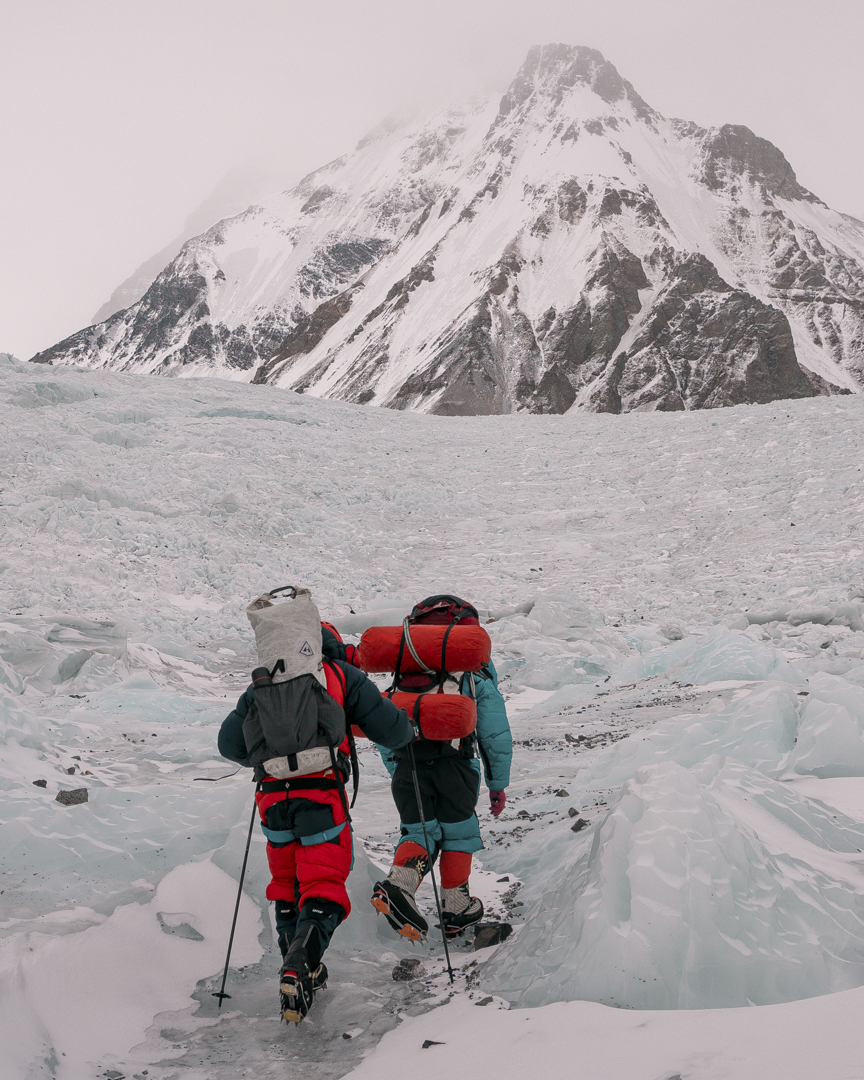
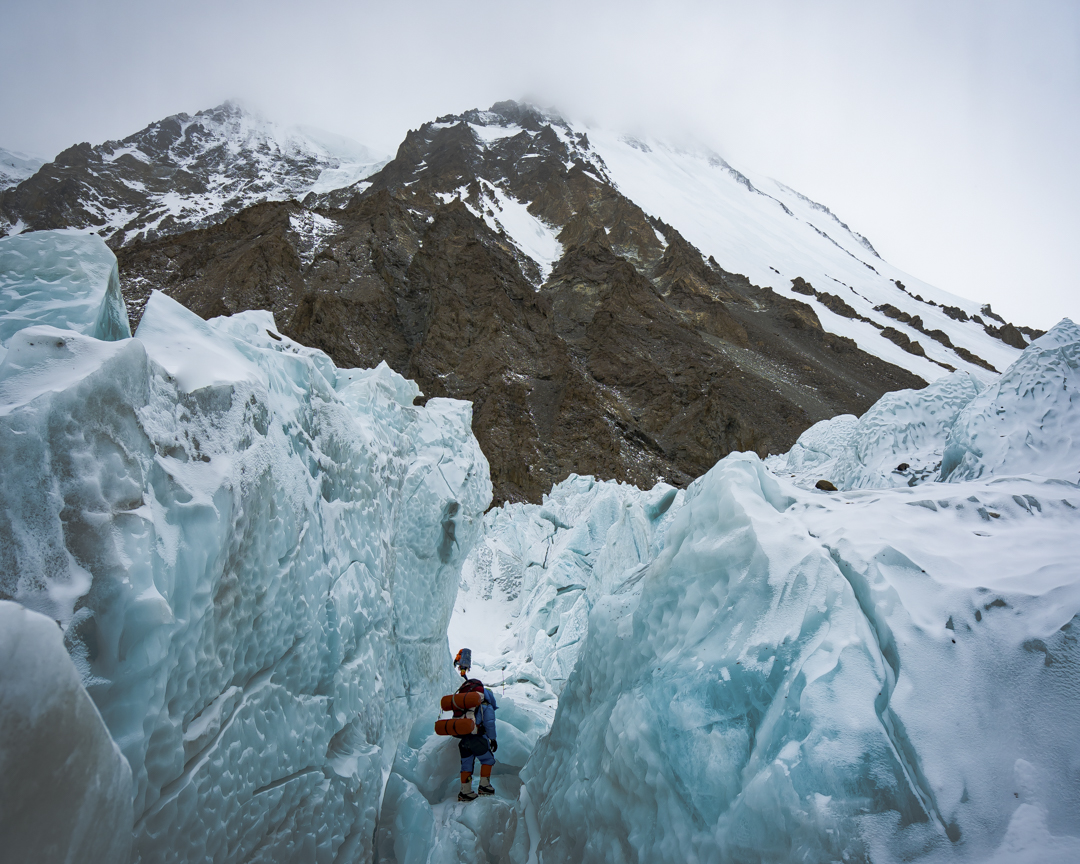
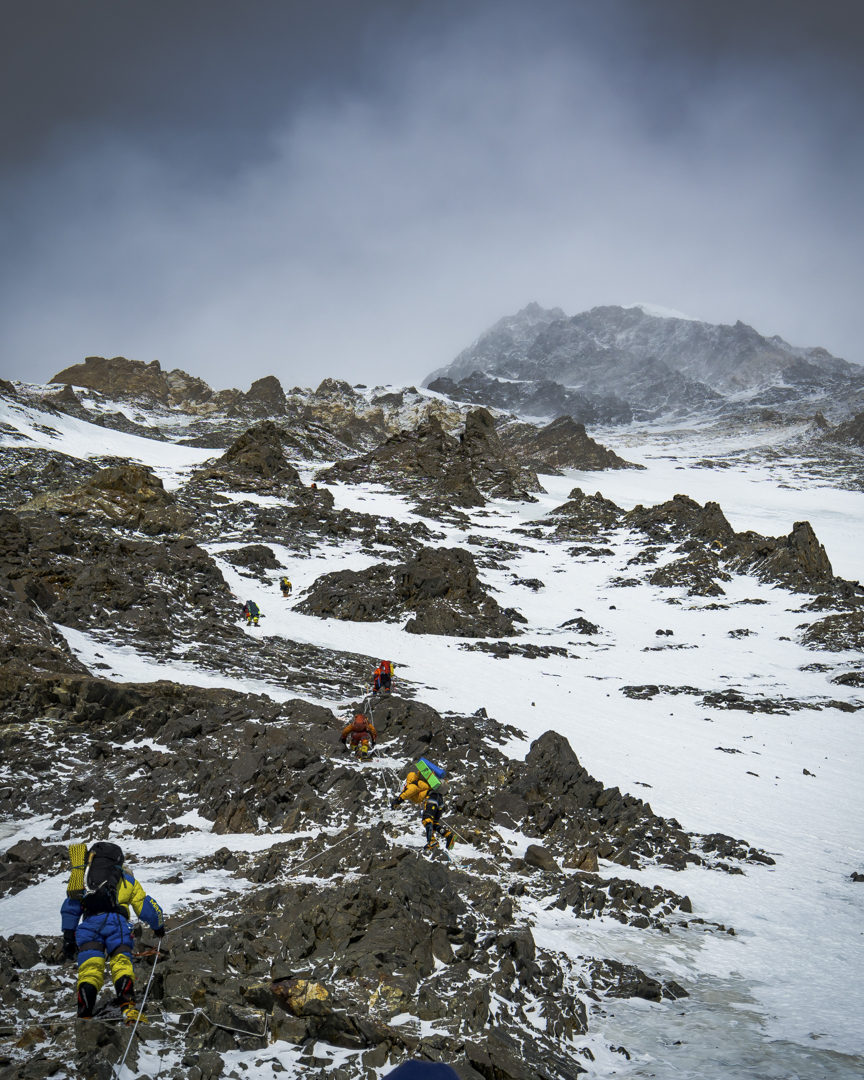
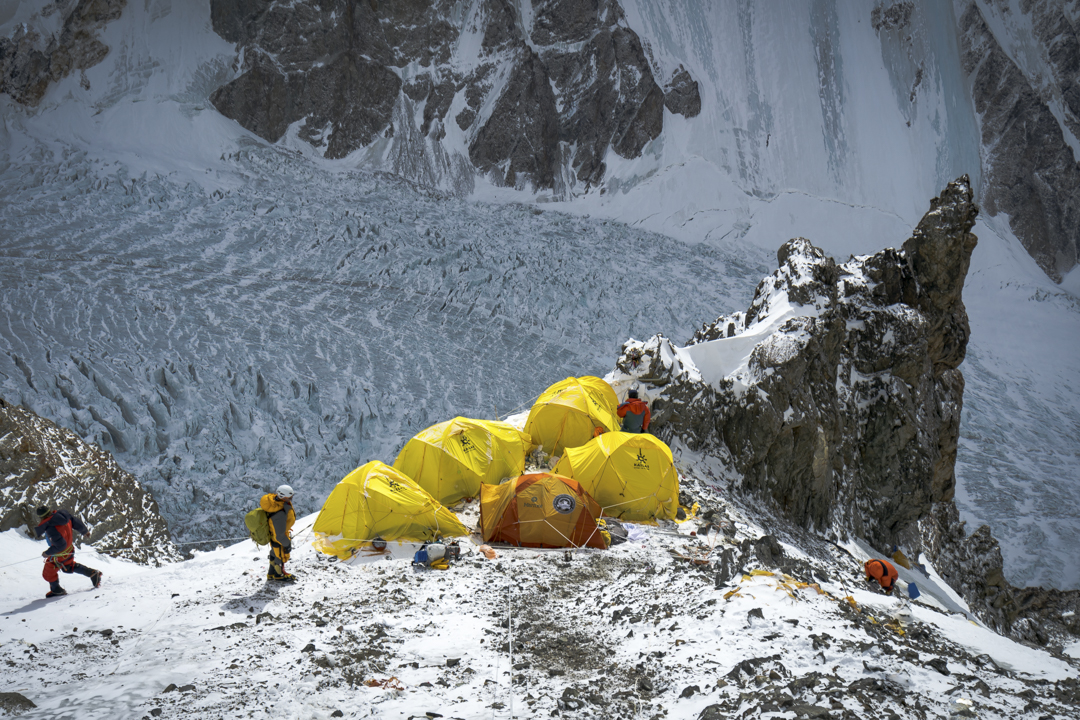
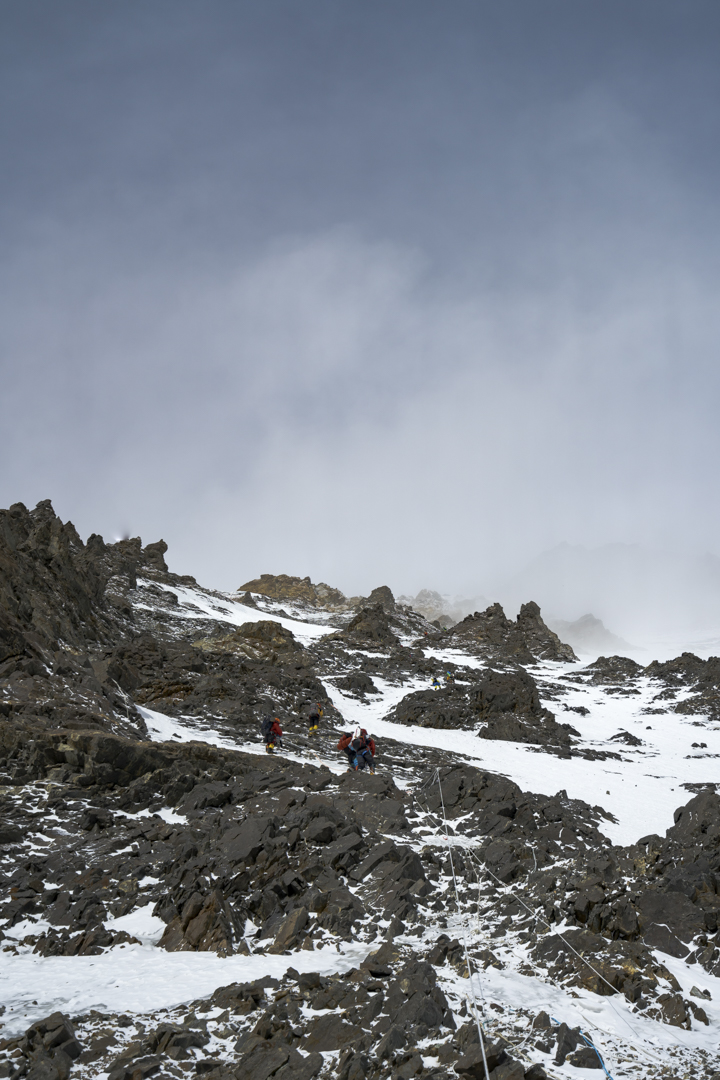
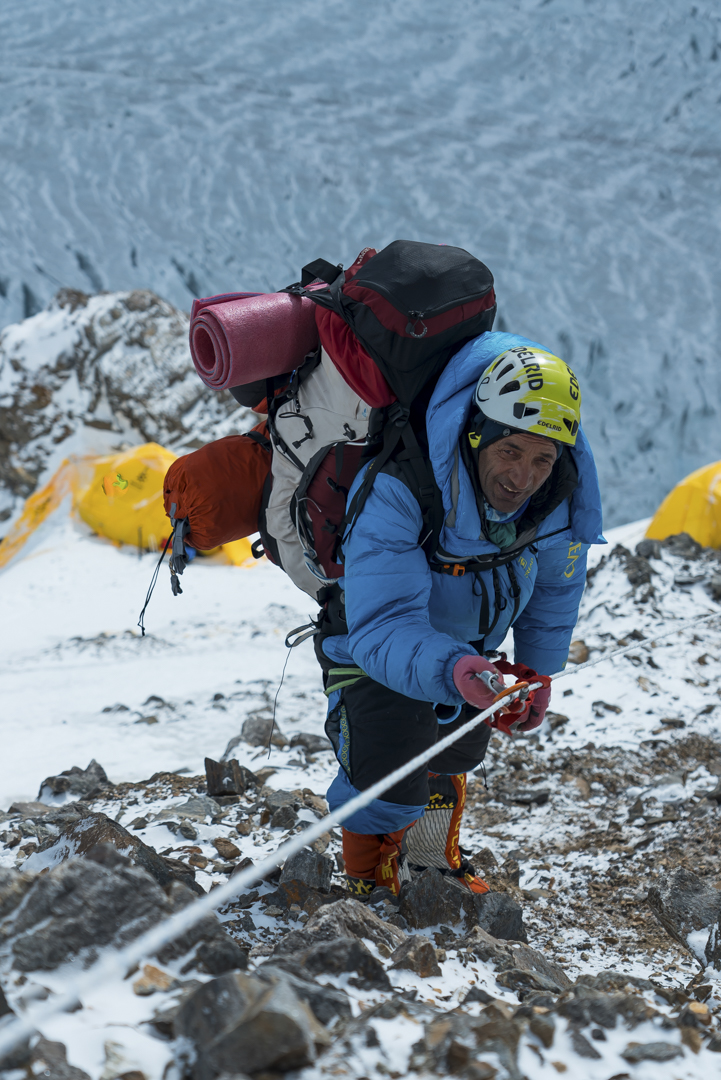
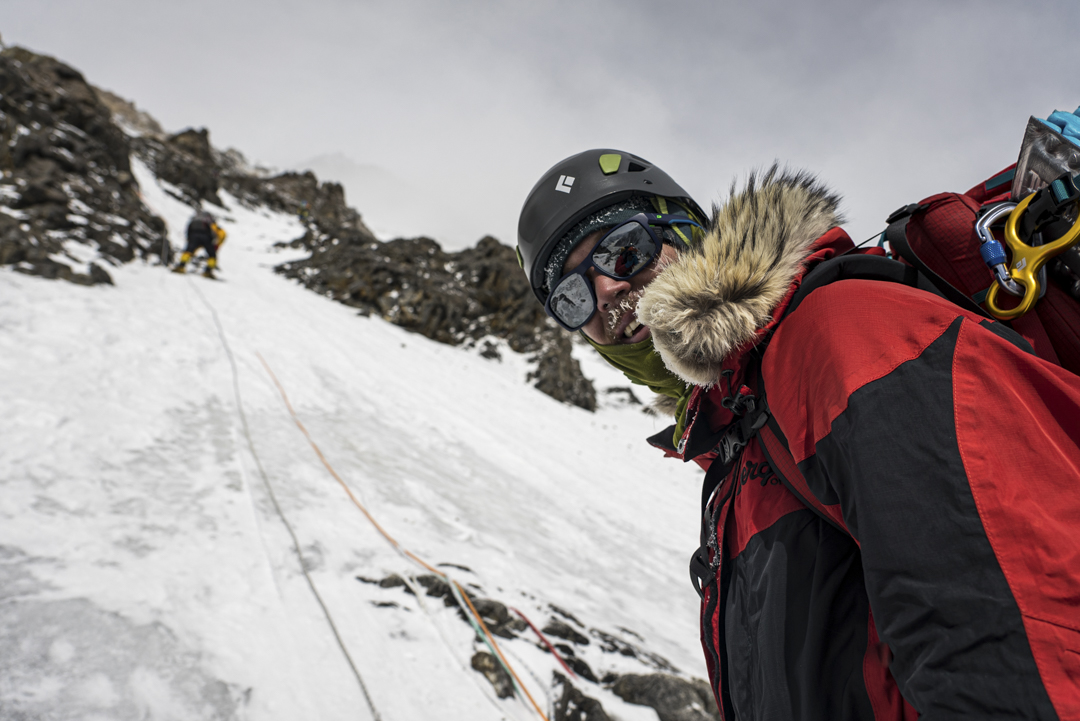
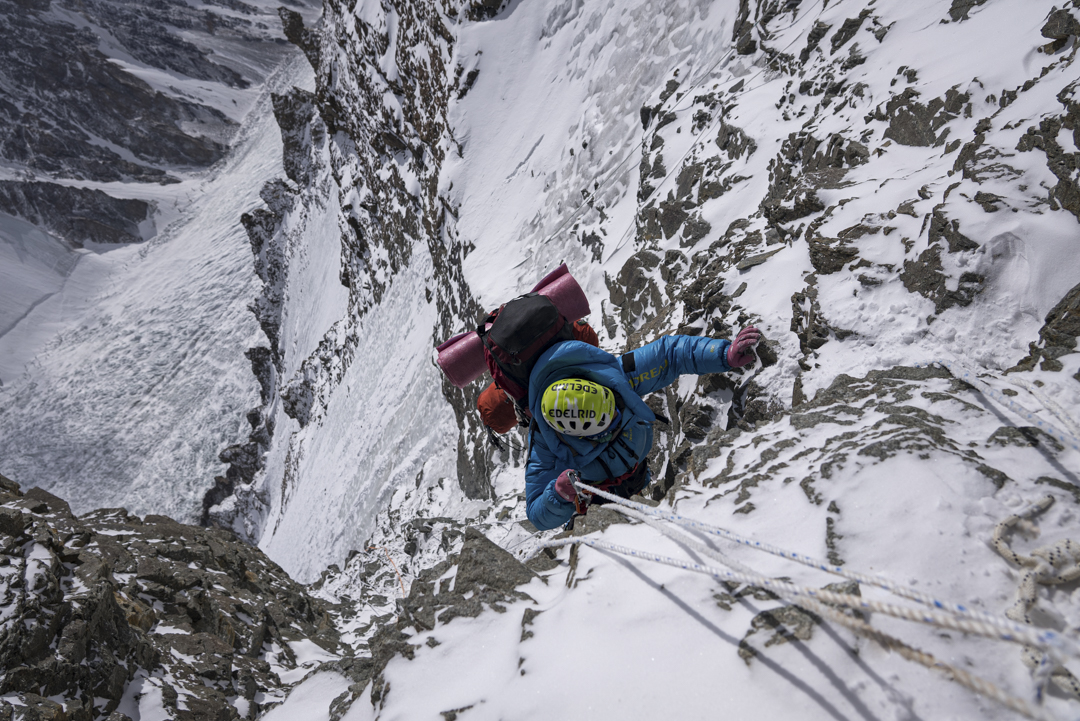
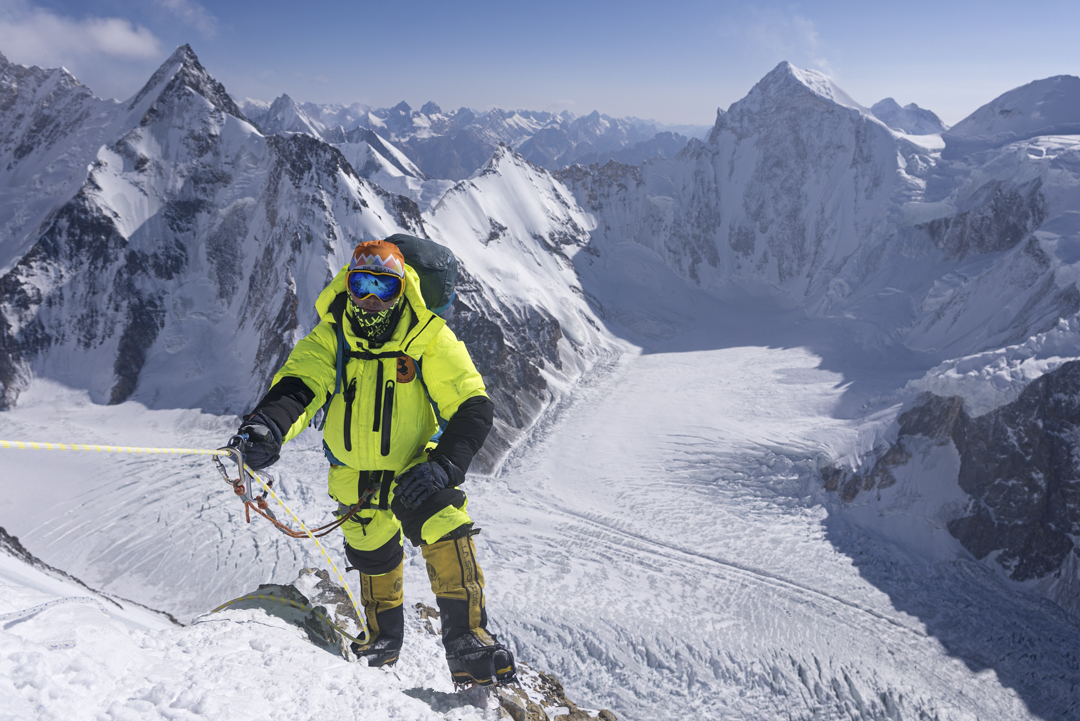
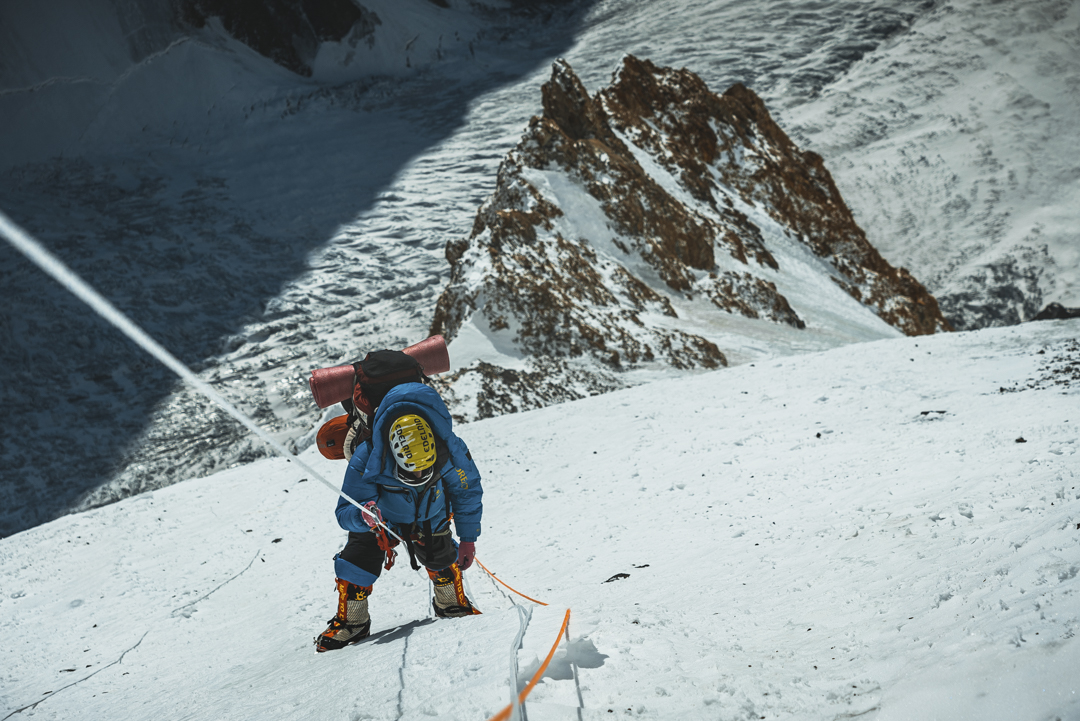
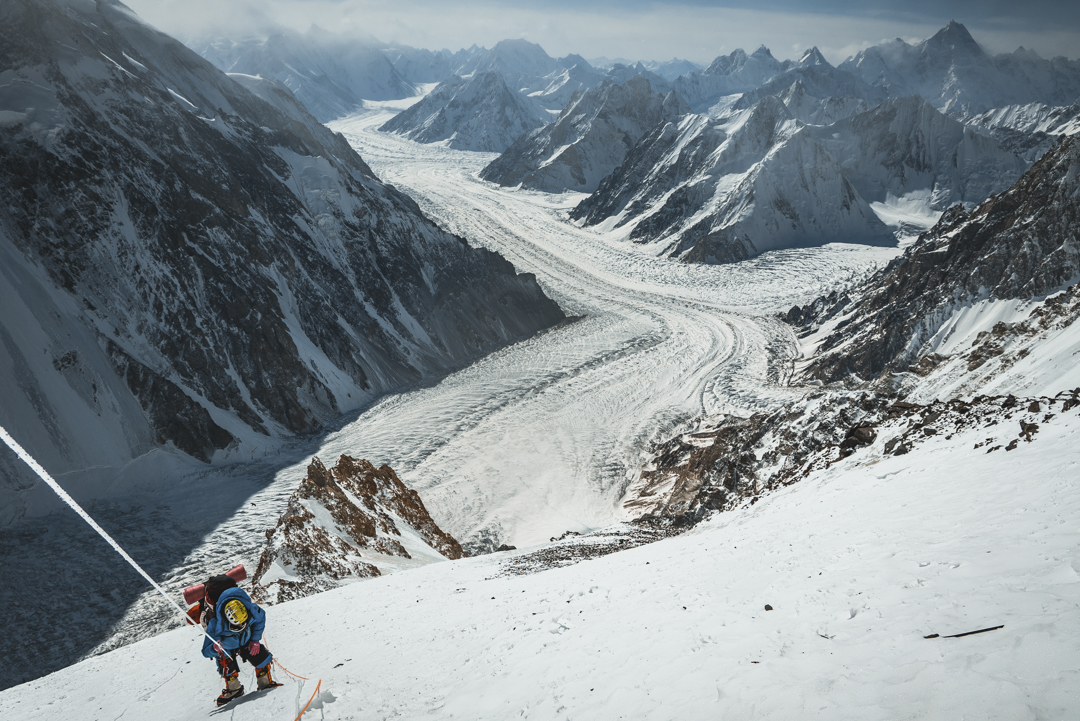
A narrow weather window briefly opened on K2 around February 4–5 — calmer skies in temperatures near −40°C, enough for a fast push from Camp 3 or 4 with almost no margin for error. Nearly 20 climbers moved up in that frenzied period, including Colin O'Brady and others from the Seven Summit Treks expedition. Most turned back. A small independent team of four - John Snorri, Ali Sadpara, his son Sajid, and Juan Pablo Mohr - pressed on without oxygen. Their decision ended in tragedy.
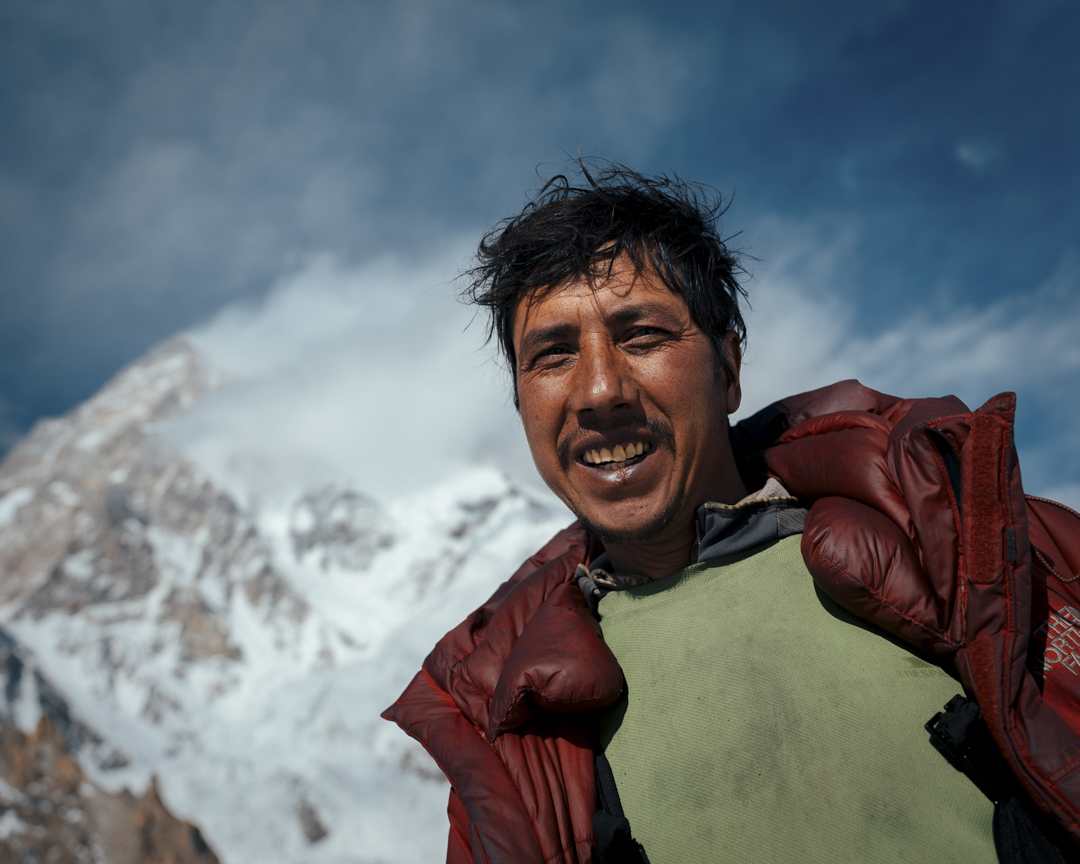
A Sadpara family friend, Mohsin is a highly experienced Pakistani high-altitude cook from Gilgit-Baltistan, with nearly 21 years in the mountaineering industry - most of it with Jasmin Tours. He came into the profession young, around 16 or 17, and quickly earned a reputation as reliable and skilled. Ali Sadpara personally chose and mentored him, working alongside him for over 15 years and regularly recommending him to international clients for his professionalism and dedication.
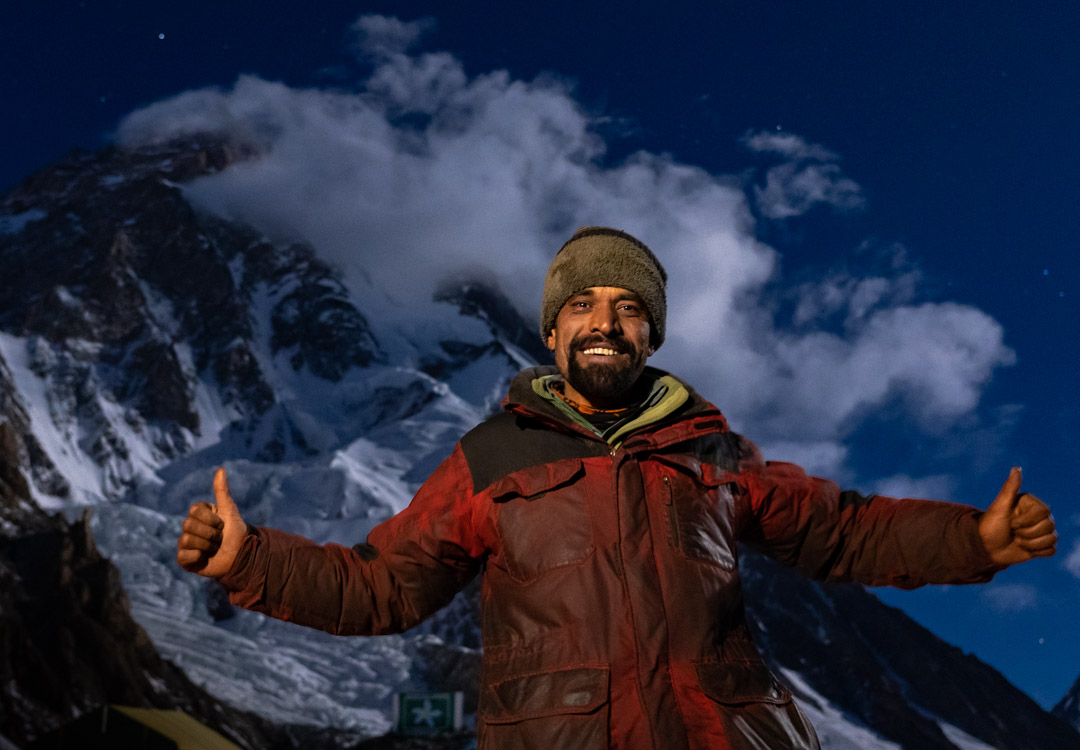
After shooting hero portraits of each team member against the K2 backdrop just after twilight, Shahid, a member of the kitchen staff, stepped out into the sub-zero air. Known around camp for his comedic entrances into the dining tent - often just his head poking through a gap in the zipper - he was coaxed by Saikaly into posing in front of the mountain. His instinct was a big smile and two thumbs up.
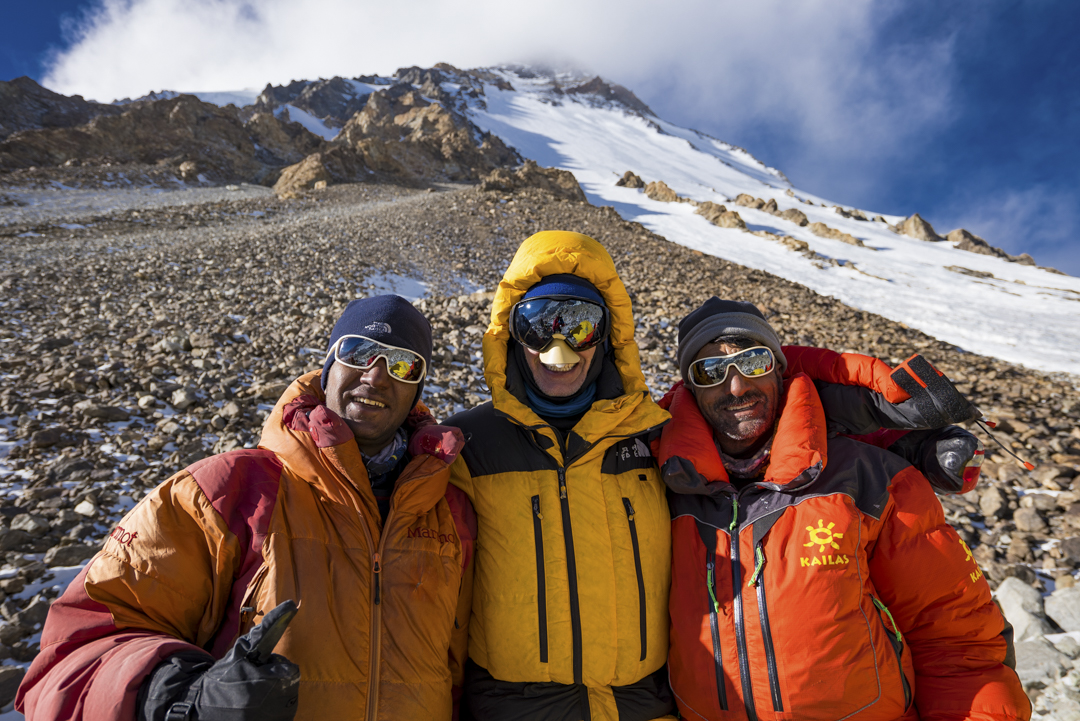
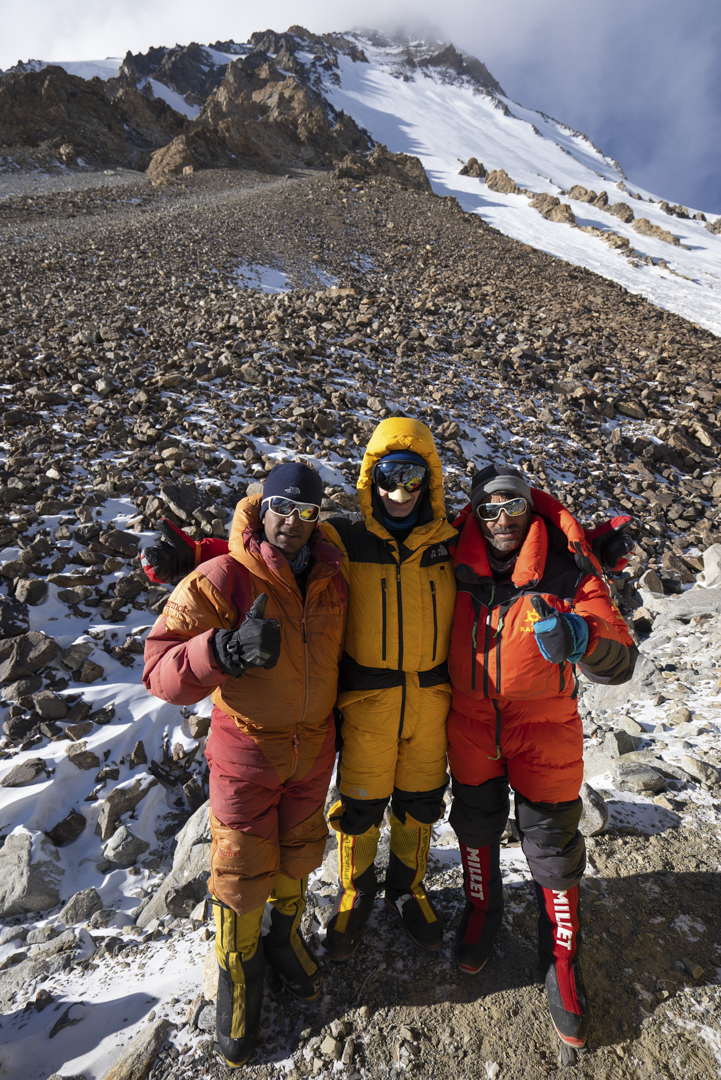
The second major weather window of the winter season turned into a complete failure. Elia Saikaly and Pasang Kaji Sherpa located the Snorri–Sadpara team at the base of K2 after their supplies had blown off the mountain from Japanese Camp 3.
This marked the team's second critical setback. They spent valuable time and energy searching for lost gear — including summit masks and a radio — leaving them with only one working radio on the mountain and one at Base Camp ahead of their eventual summit attempt on February 5.

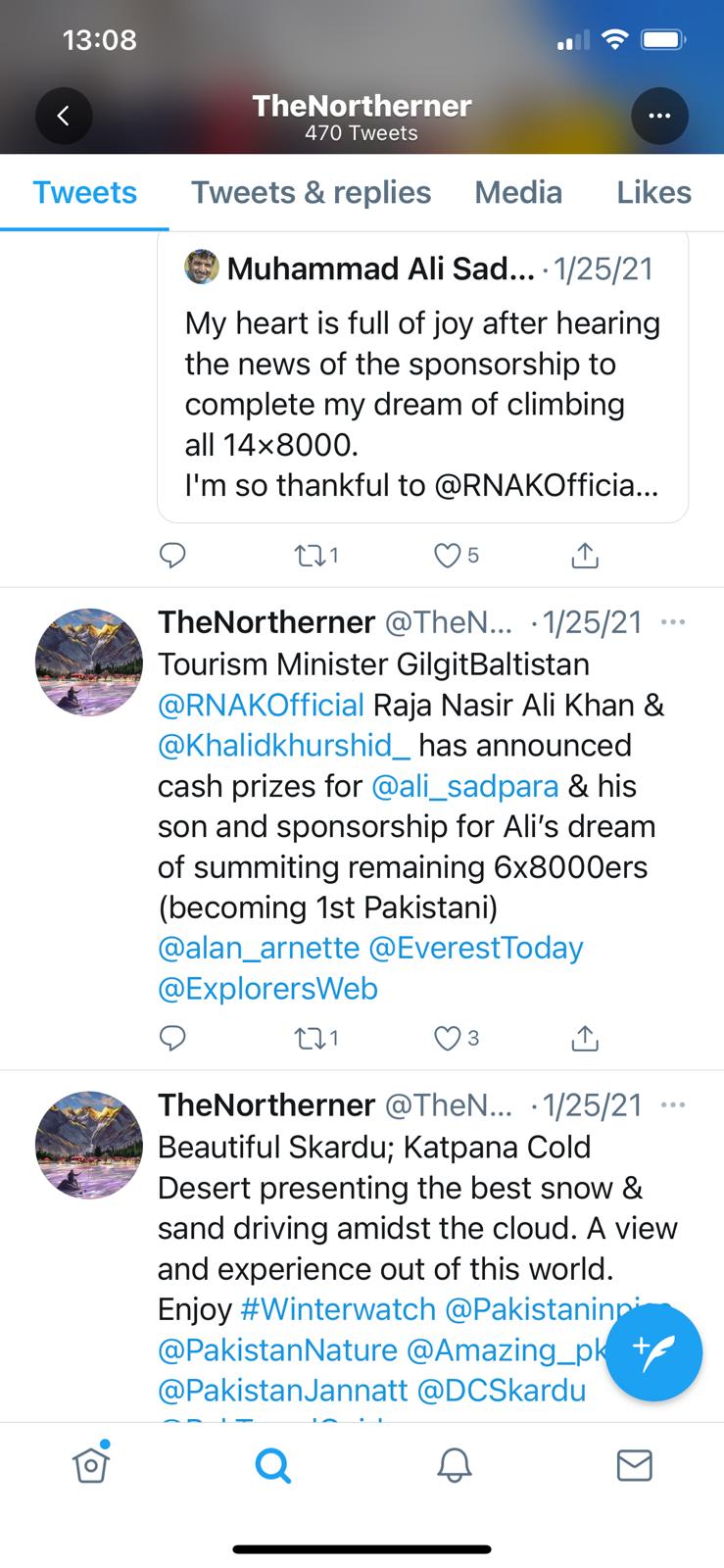
Ten days before the final summit push, Ali Sadpara received public backing for his greatest ambition. The Tourism Minister of Gilgit-Baltistan, Raja Nasir Ali Khan — a civilian provincial minister, not the military — announced cash prizes for Ali and his son and sponsorship for the remaining six of the fourteen 8,000-metre peaks, the goal that would make Ali the first Pakistani to climb them all.
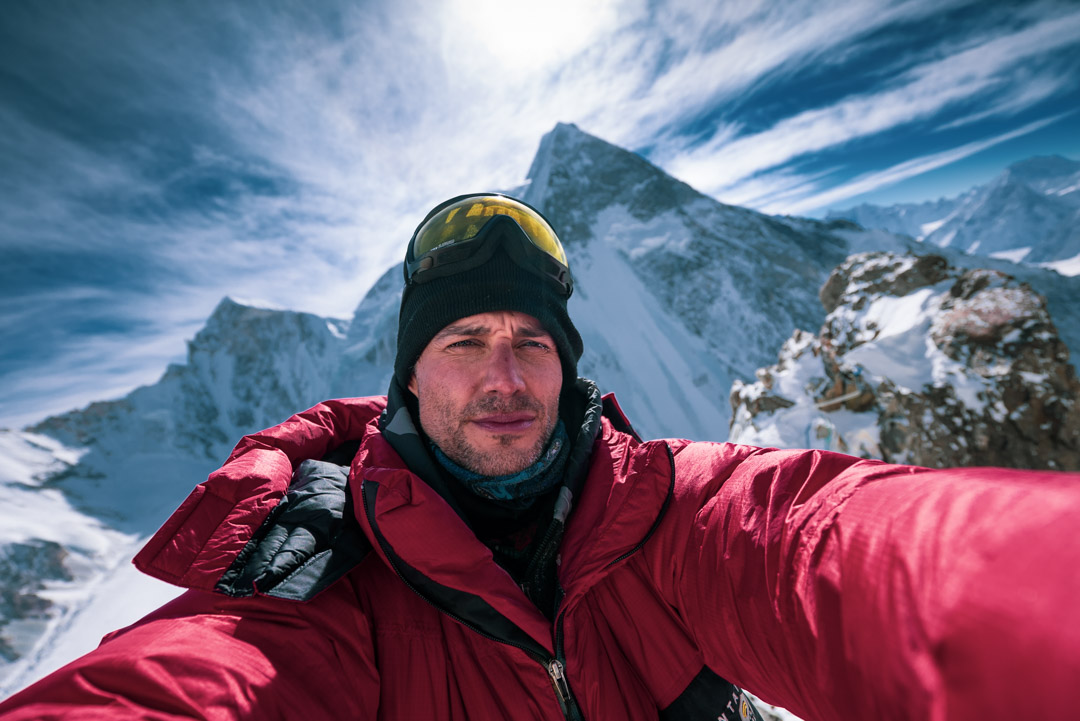
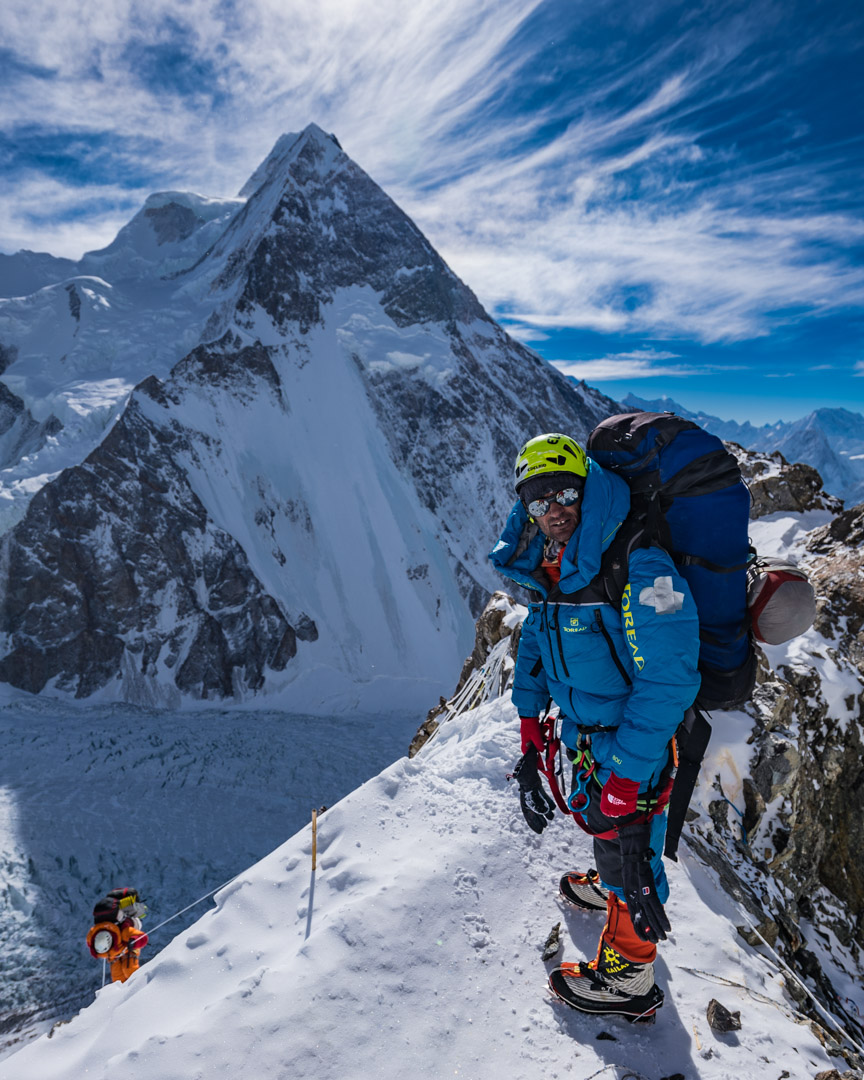
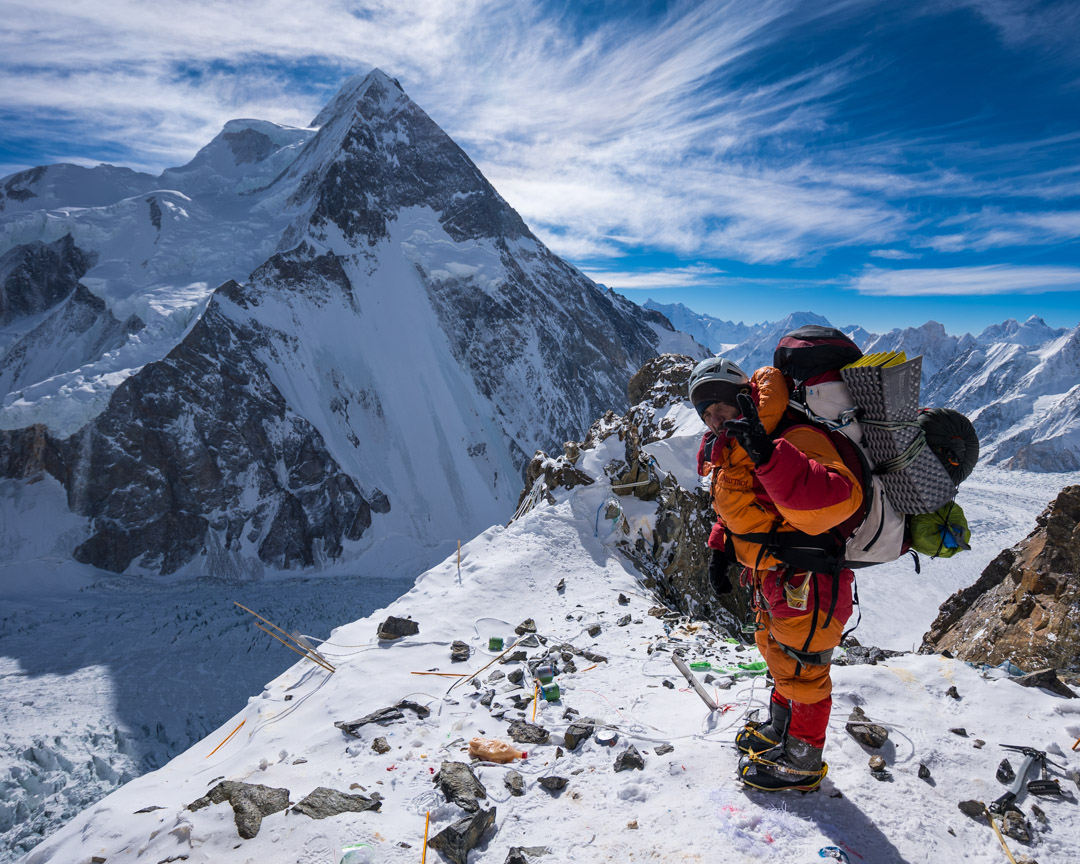
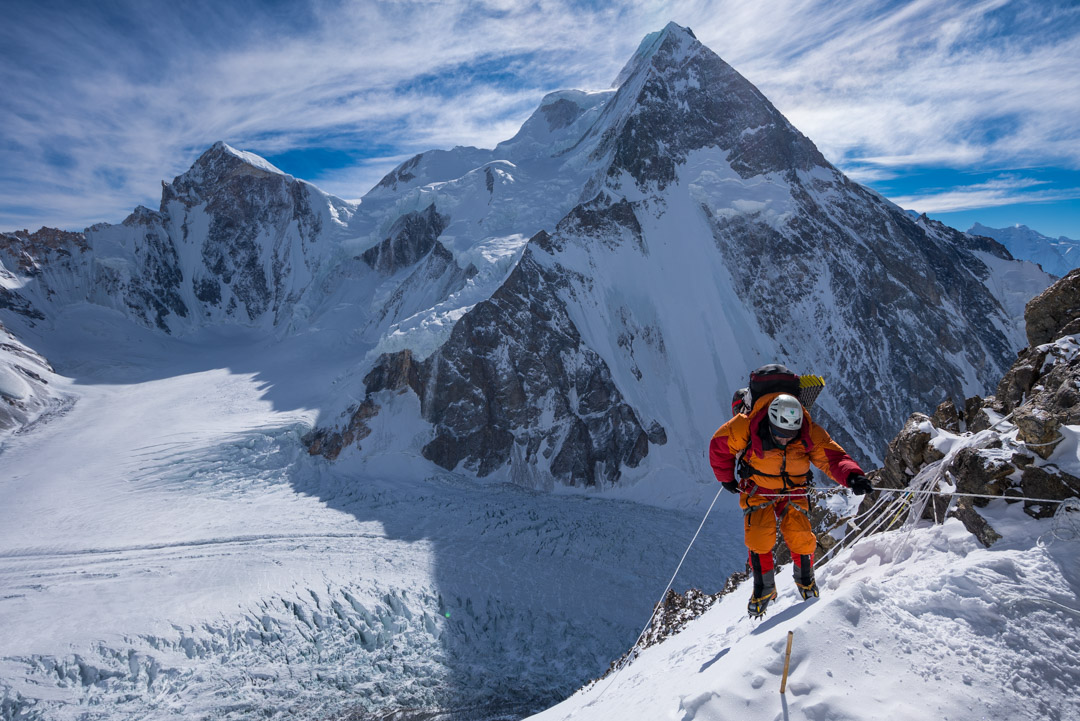
On 23 January, John Snorri and Ali and Sajid Sadpara received a weather report showing a tiny summit window. Saikaly and PK Sherpa climbed for over 24 hours straight before reaching a point where they decided to pack it in. Still recovering from COVID and unacclimatized, they had set out to chase the team — but never saw them once.
We spent a brutal night in a tent like sardines in a can. I couldn’t help but laugh at the image of 4 men piled into a small tent. The next morning, we assumed John, Ali and Sajid had made the summit. For us, it was over, but we felt good having made the effort.
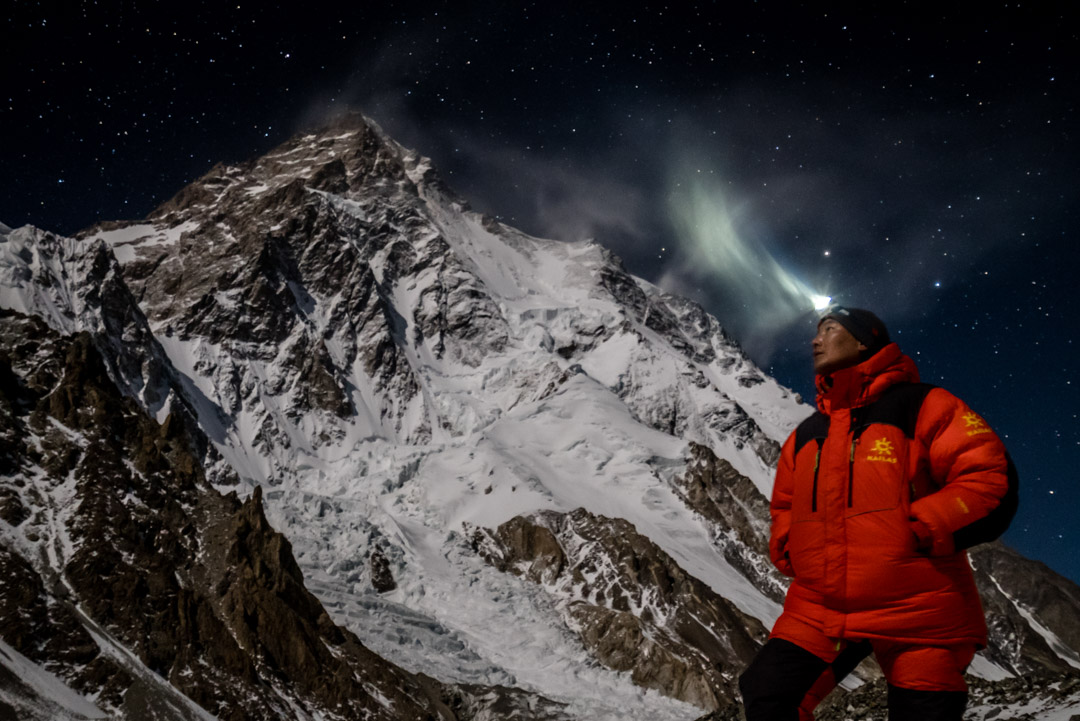
Alongside Saikaly on the mountain was his climbing partner and close friend, Pasang Kaji (PK) Sherpa - the two of them moving together through every push, including the 24-hour effort to chase the summit team.
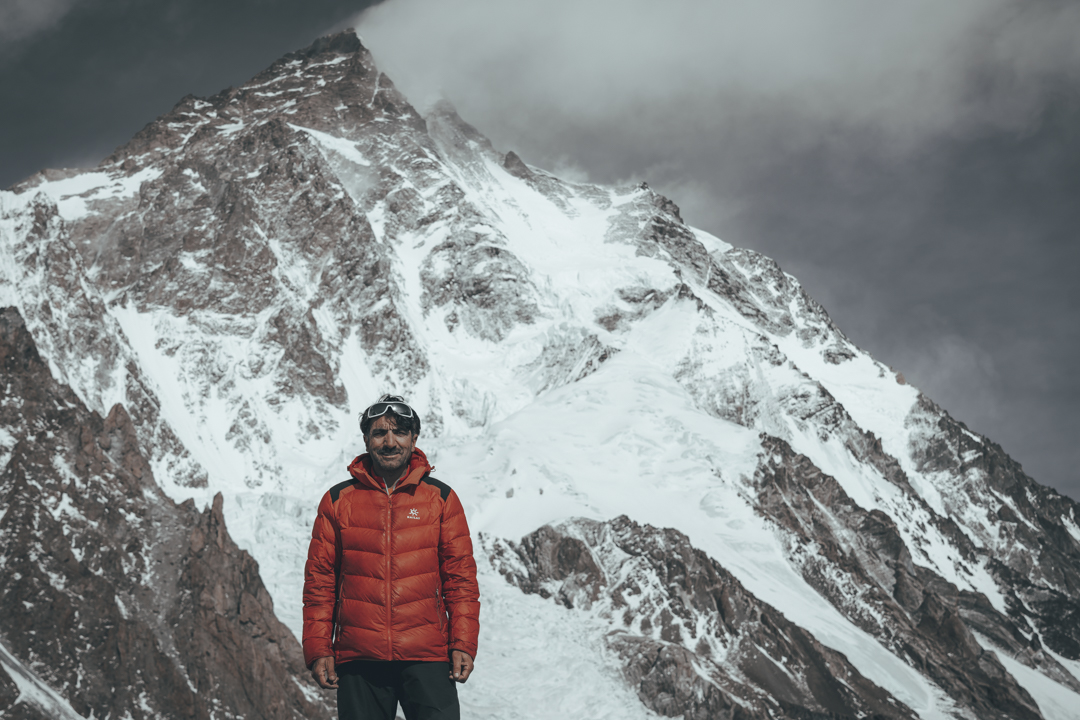
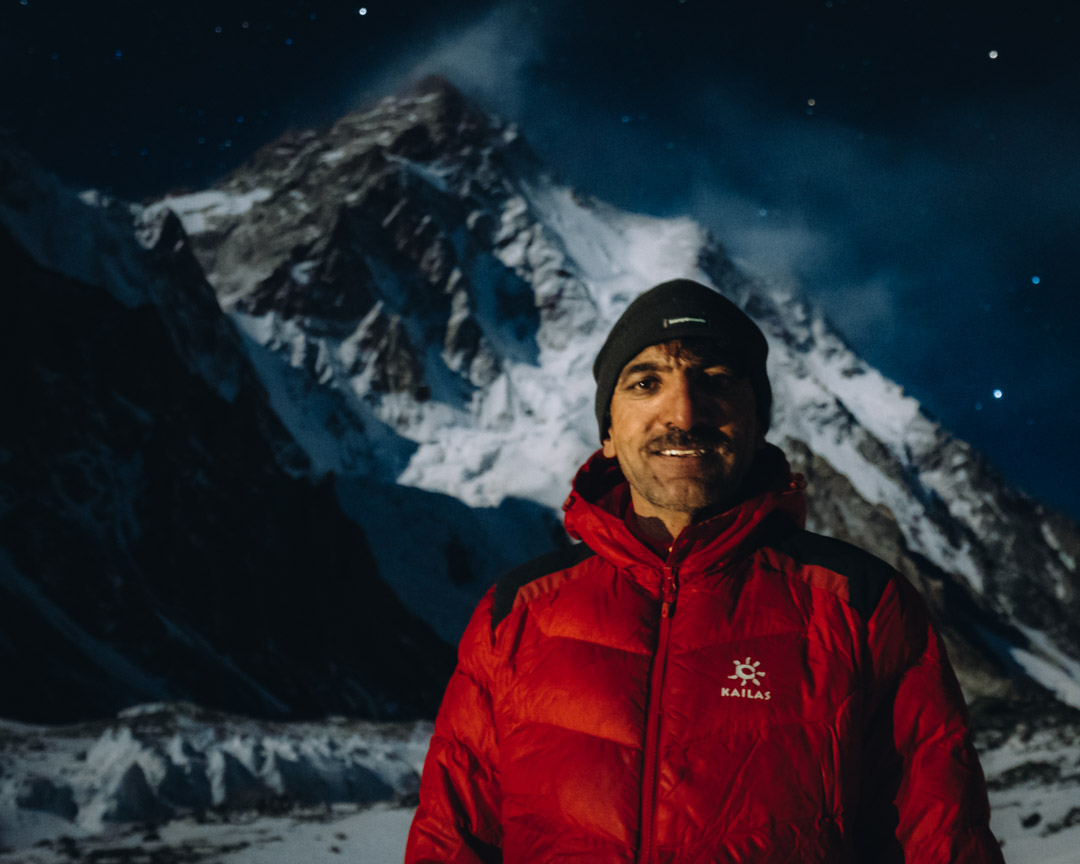
Ali Sadpara's reputation speaks for itself. The Pakistani mountaineer's experience on the 8,000-metre peaks is vast — in both summer and winter — including a place on the first-ever winter ascent of Nanga Parbat in 2016. At K2 base camp, Saikaly met and interviewed Ali several times and gathered footage around the camp. Among the stories Ali shared was the 2019 attempt to save Bulgarian climber Ivan Tomov on Lhotse — a night Ali spent at his side before Tomov died on the descent.
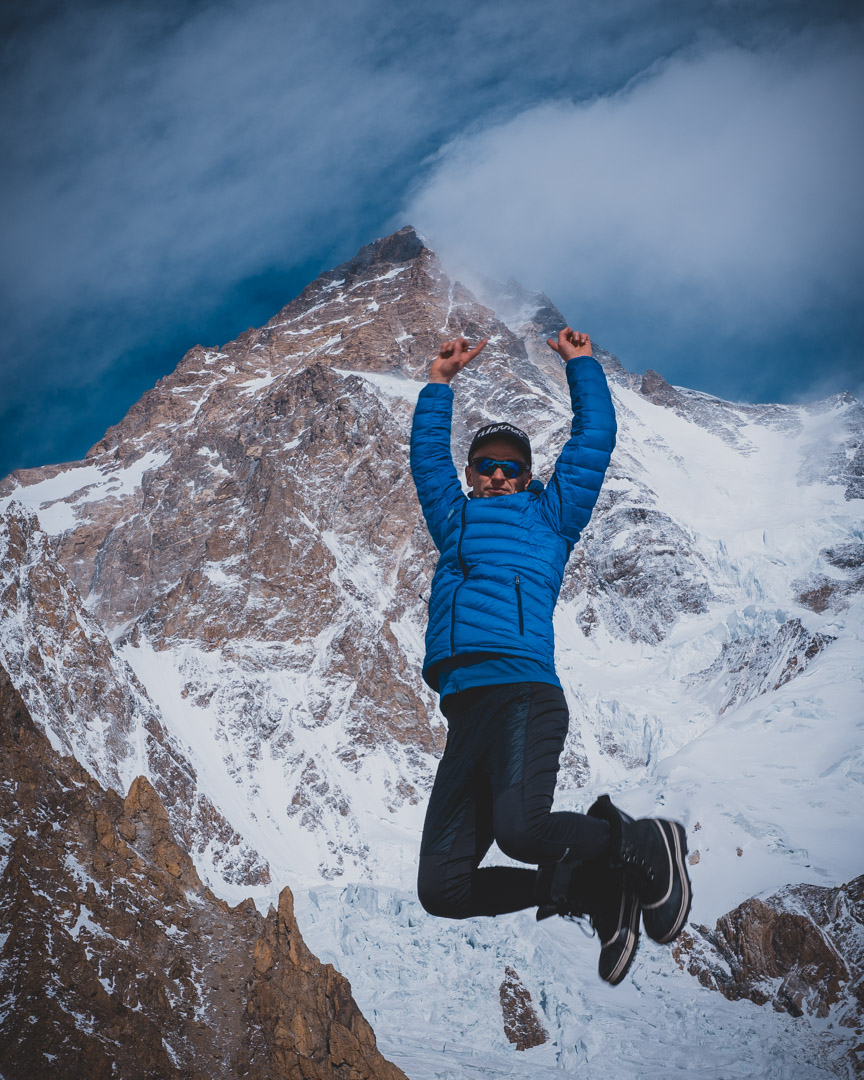
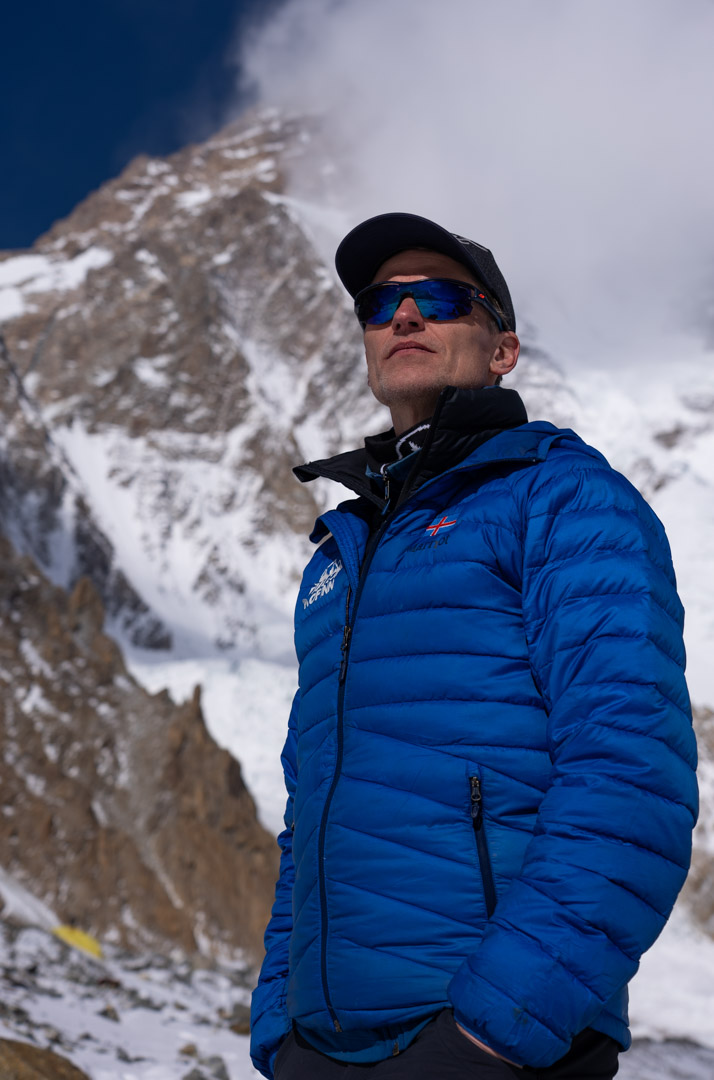
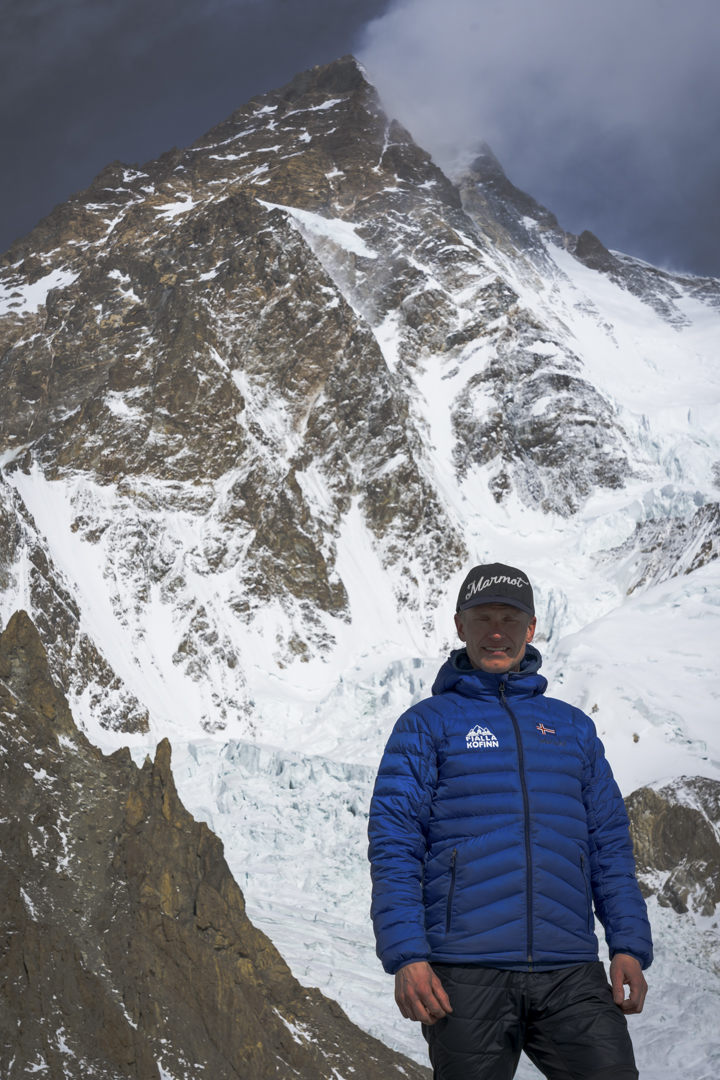
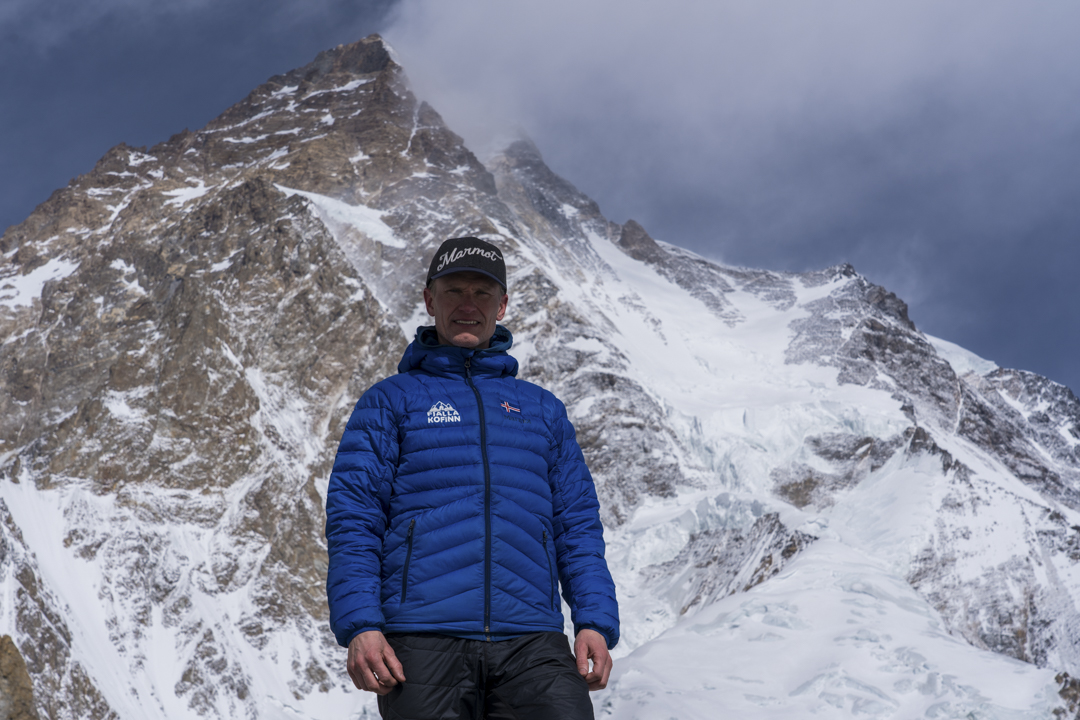
On January 20th, at K2 base camp, Saikaly interviewed John Snorri of Iceland — the climber whose persistence had kept the project alive through every cancellation. Caught here in a lighter moment, Snorri spoke about the climb ahead, why he was climbing and what reaching the summit would mean.
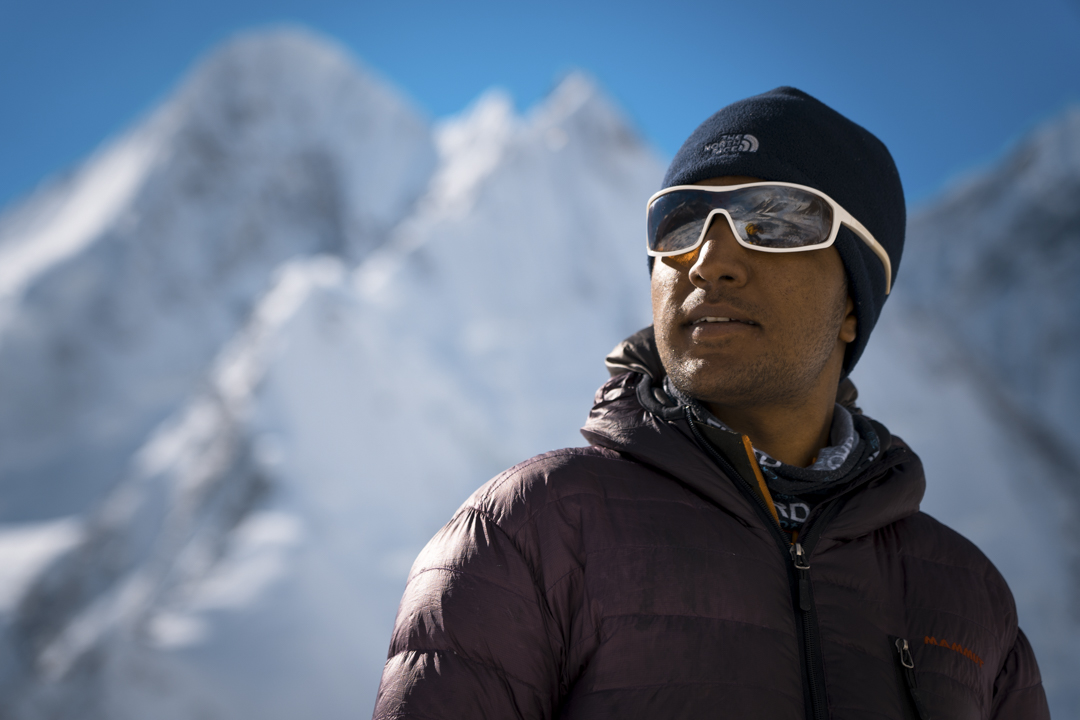
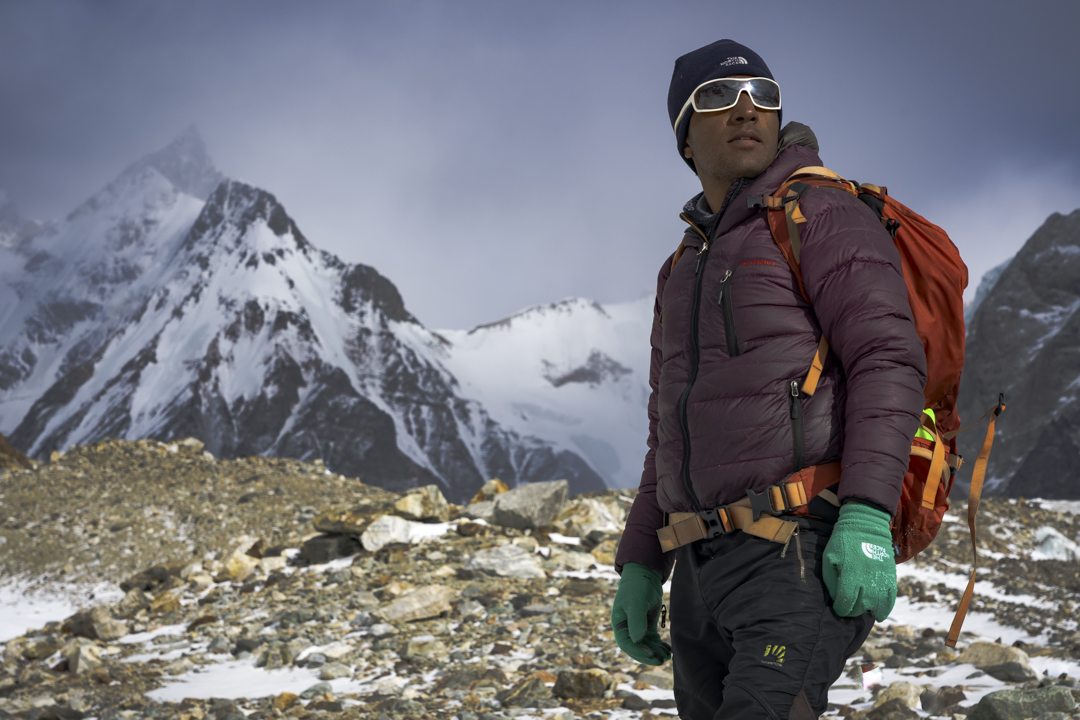
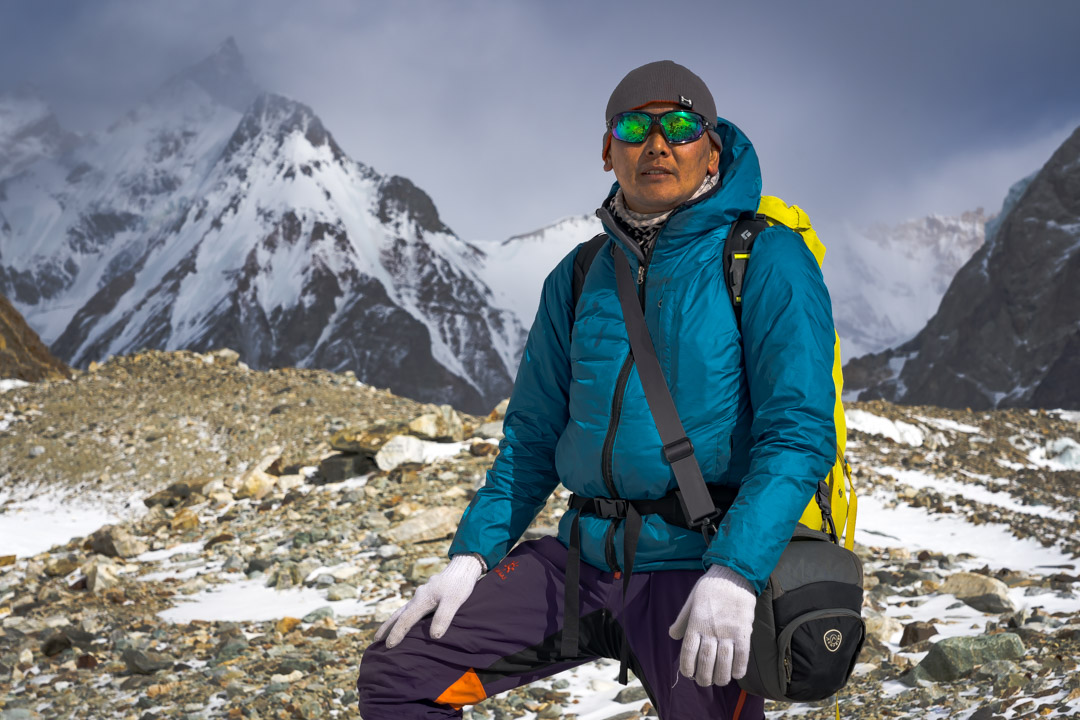
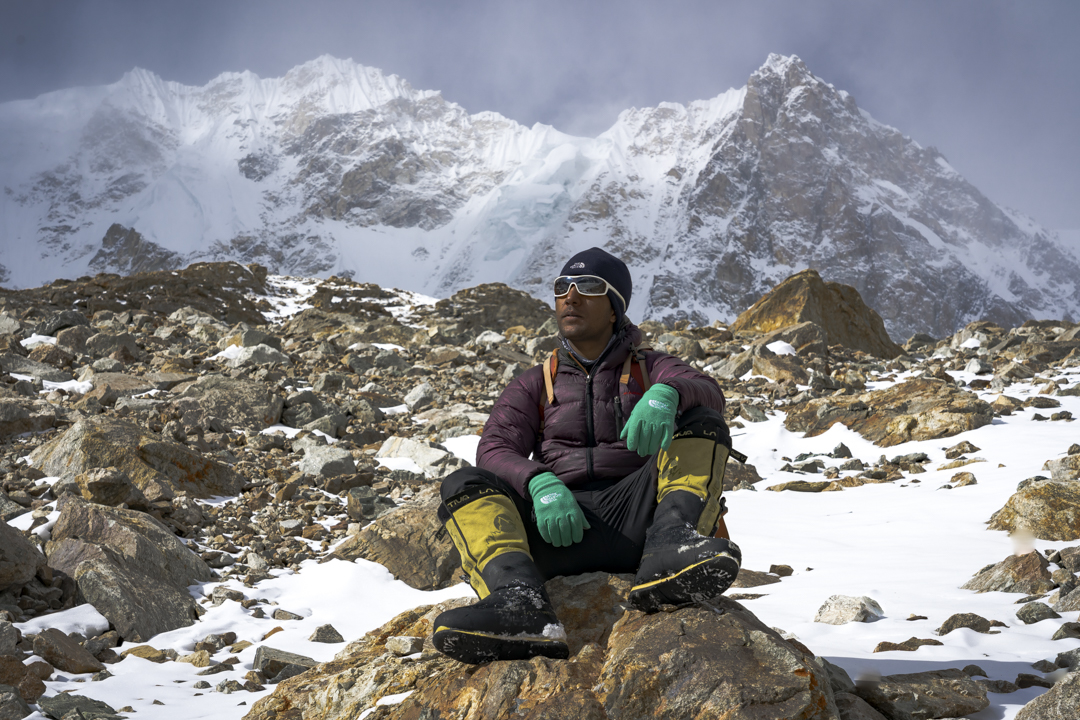
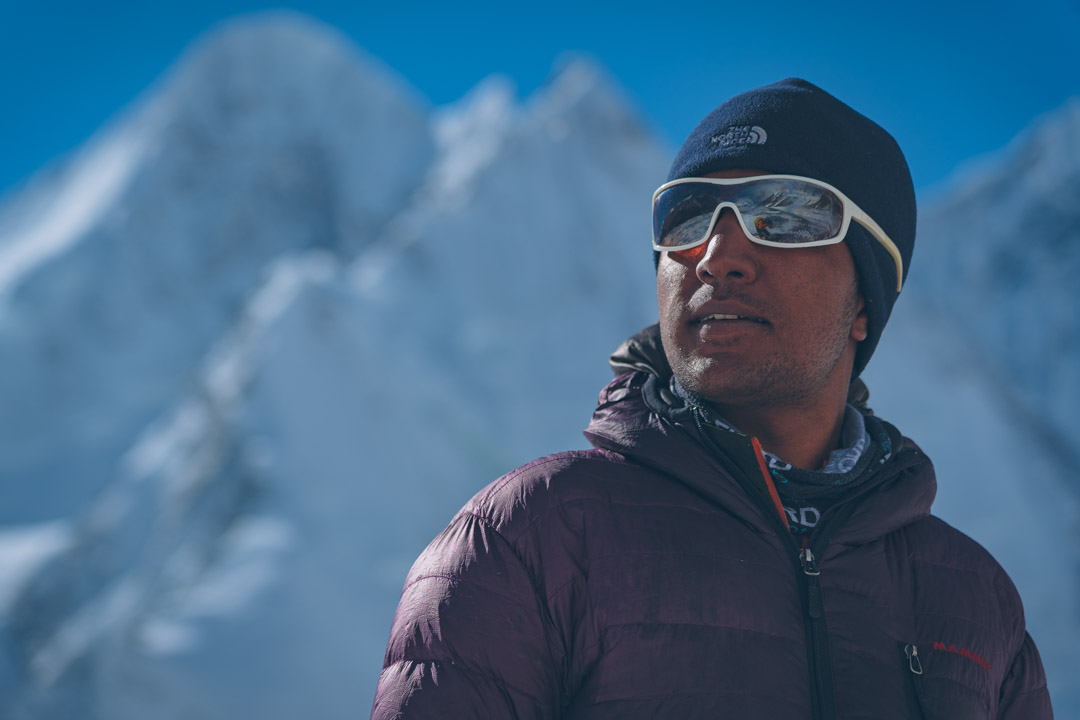
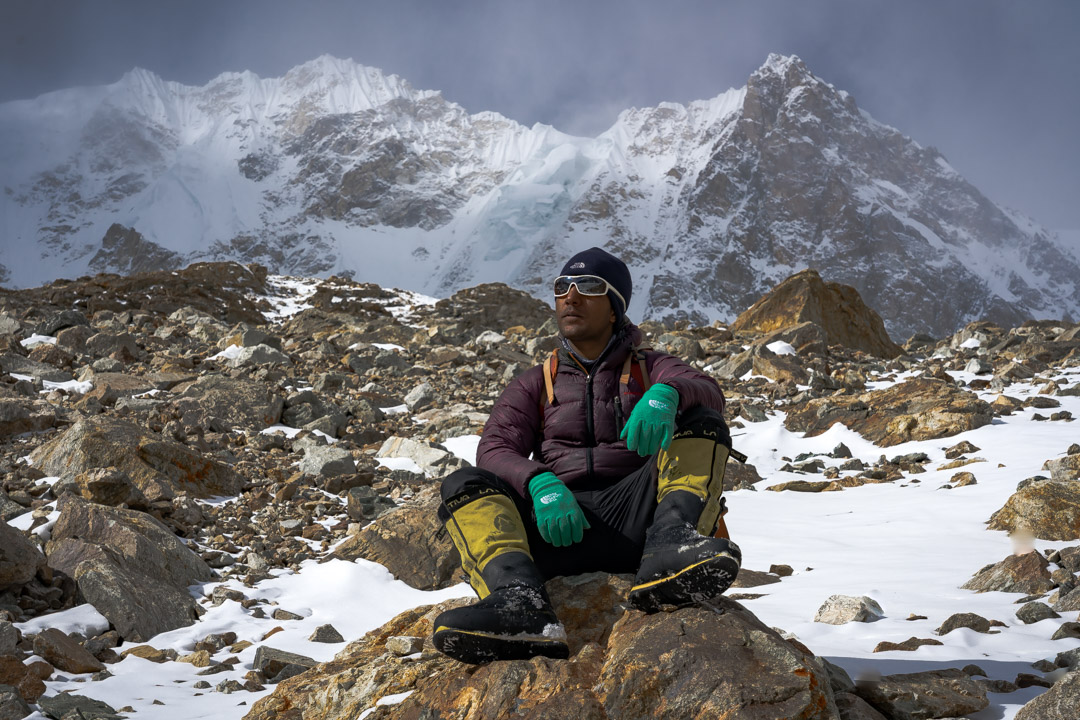
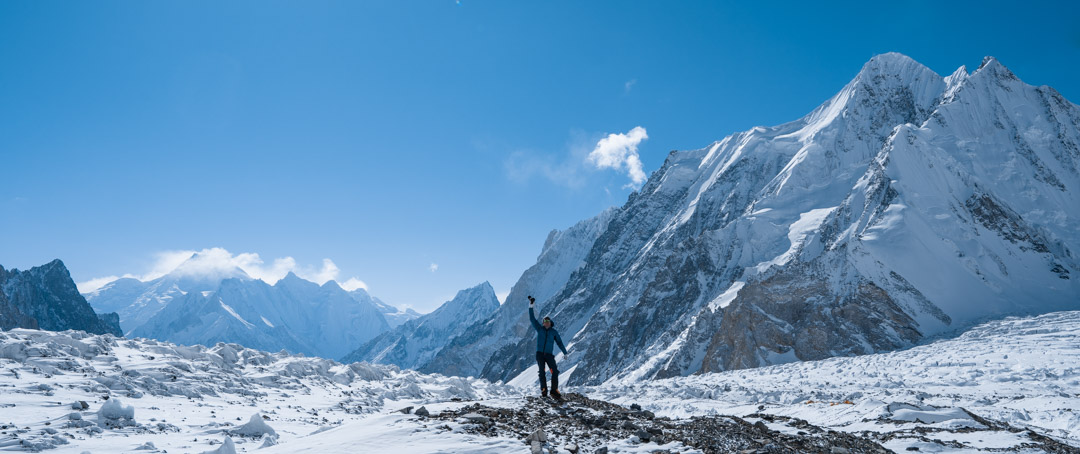
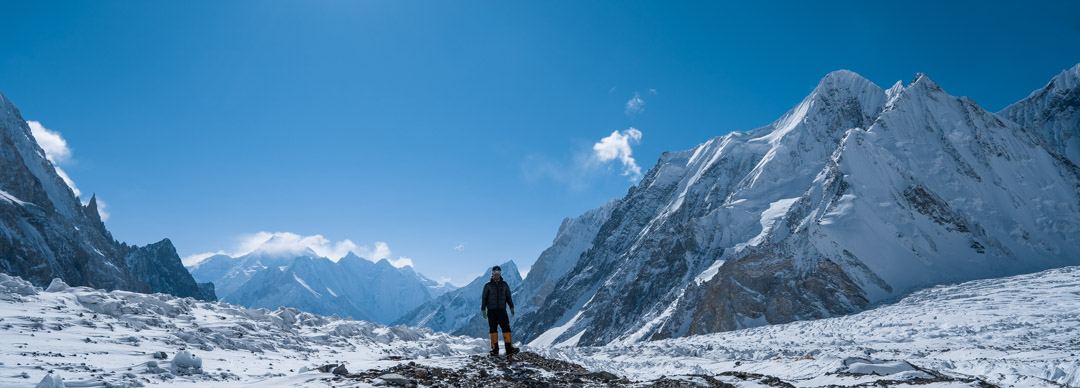
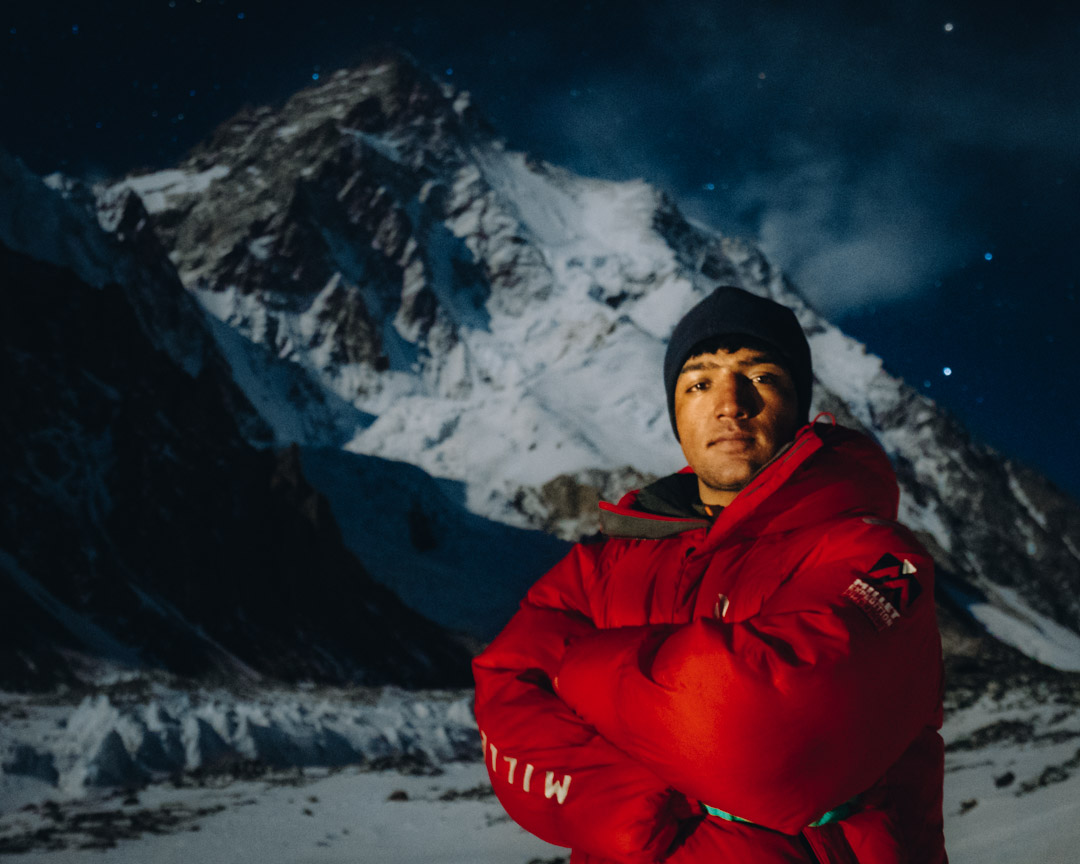
Two days after the Nepalese team made history with the first winter ascent, Saikaly and Pasang Kaji (PK) Sherpa arrived at K2. On January 20th, they interviewed Sajid Sadpara — son of Pakistani climber Ali Sadpara — who was attempting the mountain alongside his father and their teammate, John Snorri of Iceland.
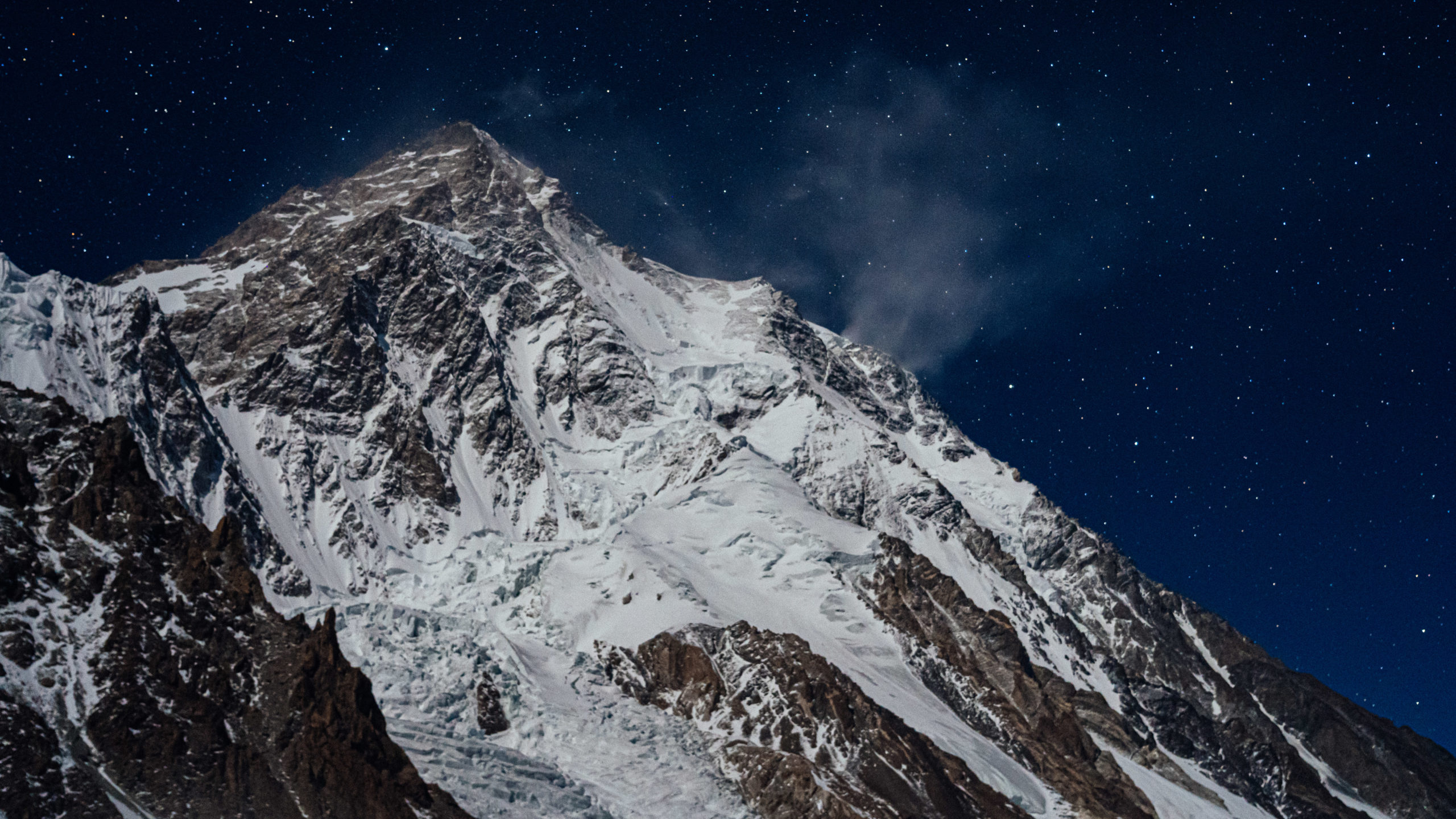
After weeks of collapsed funding, two cancellations, a COVID quarantine, and permissions wrangled across a militarized zone, Saikaly and PK Sherpa reached the mountain at last.
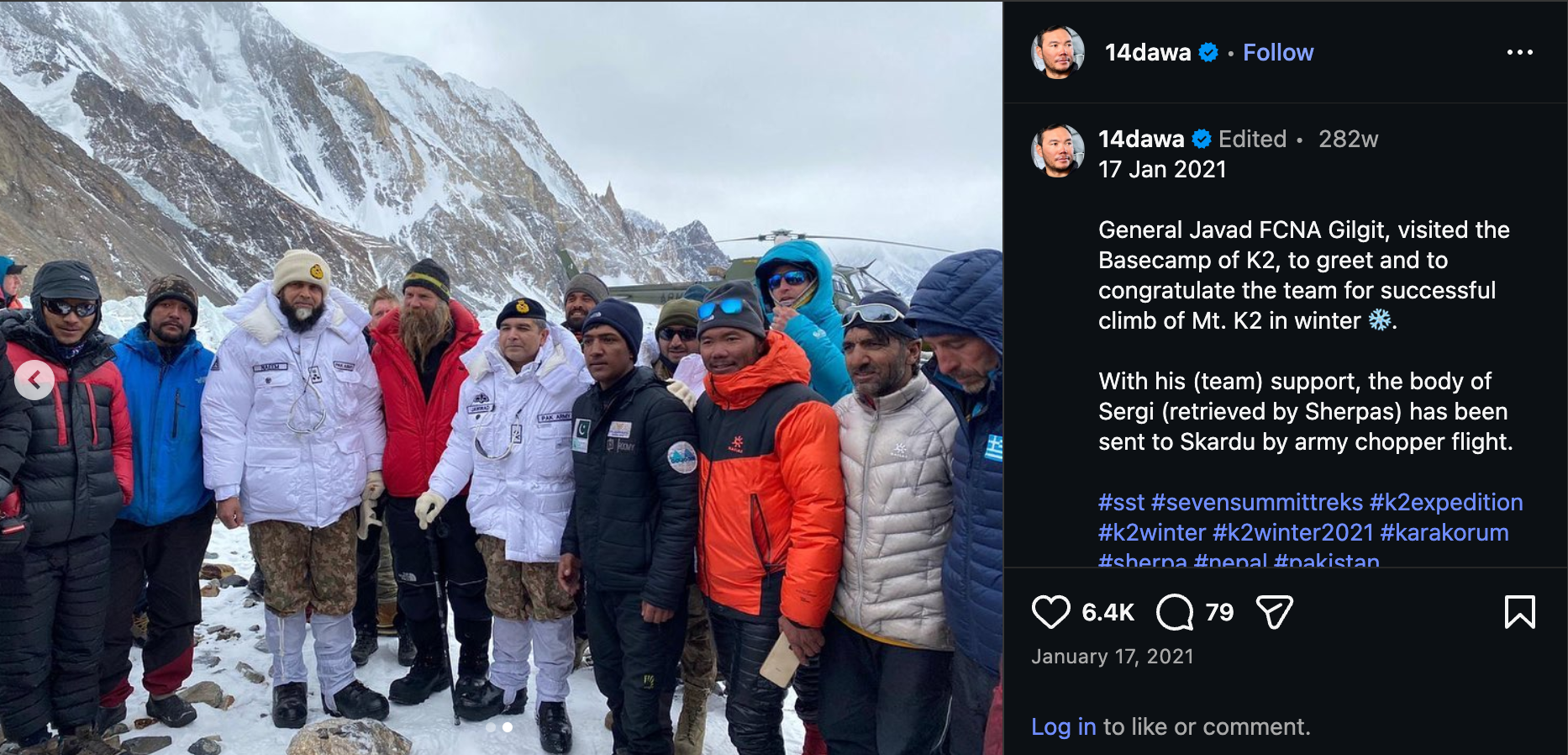
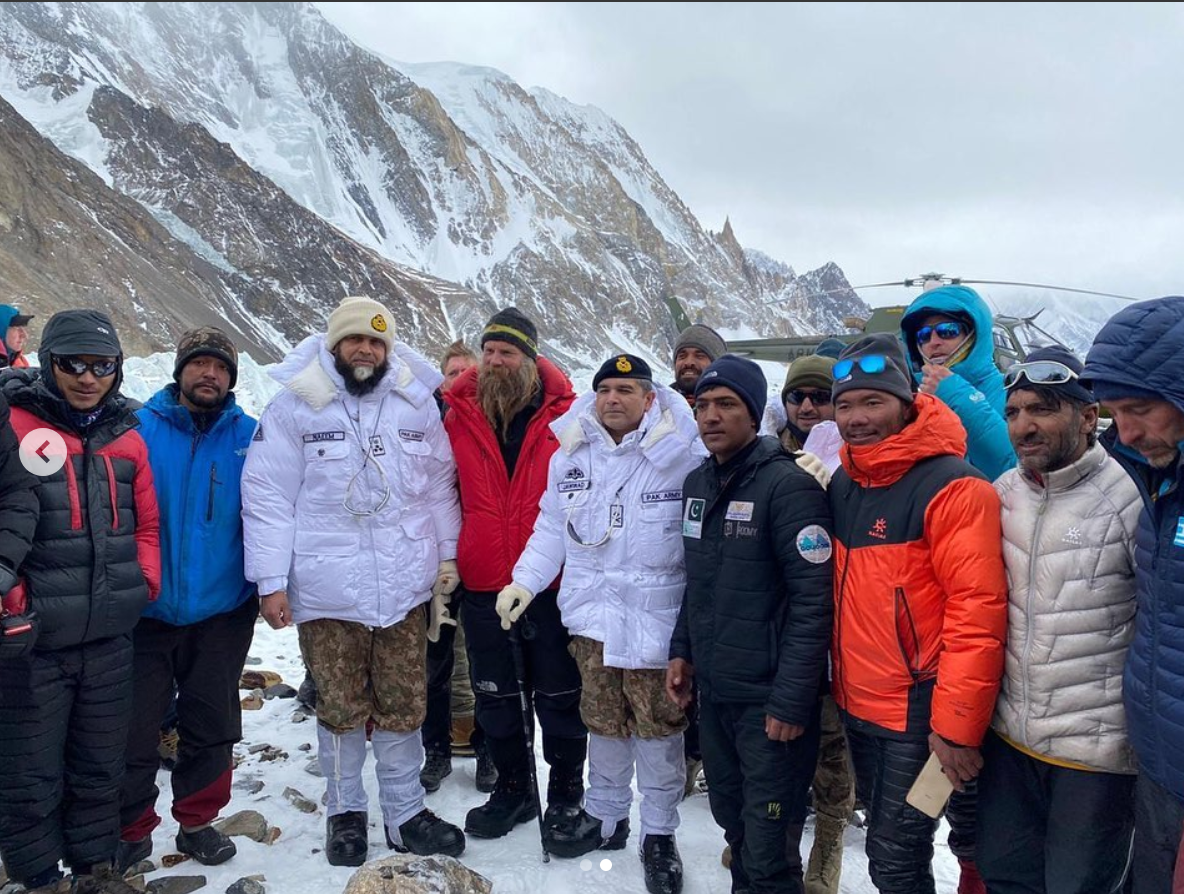
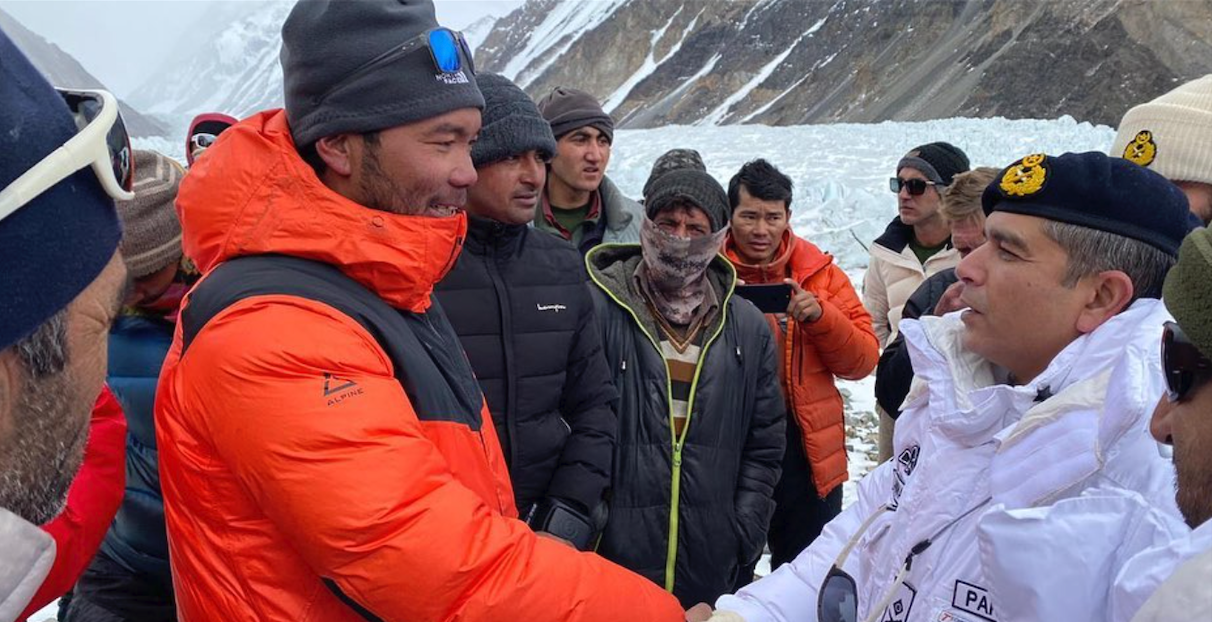
The day after the historic ascent, General Javed of the FCNA (Force Command Northern Areas), Gilgit, came up to K2 base camp to meet the team. The military's support proved invaluable: with their help, the body of Sergi Mingote — recovered by Sherpas after his fatal fall on the 16th — was flown down to Skardu by army helicopter. Throughout the season, the Pakistan Army's assistance with logistics, evacuations, and search efforts was a vital lifeline for the climbers on the mountain.
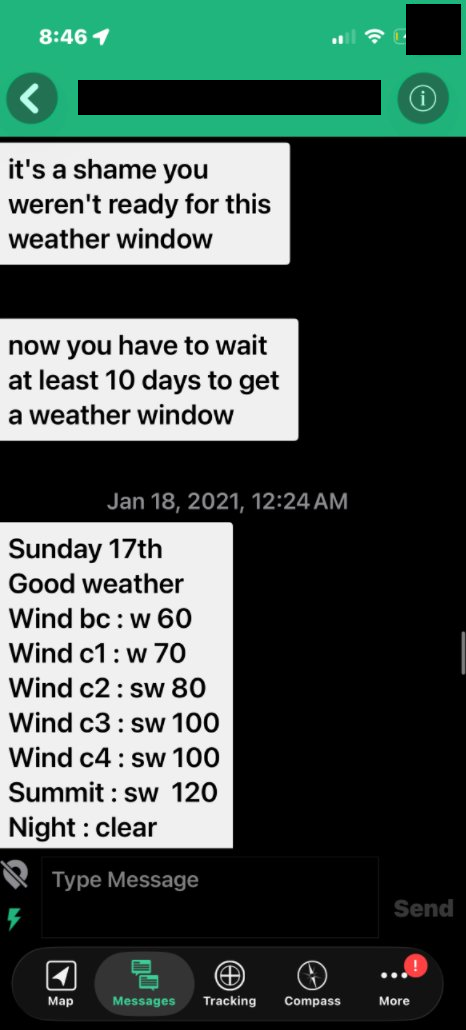
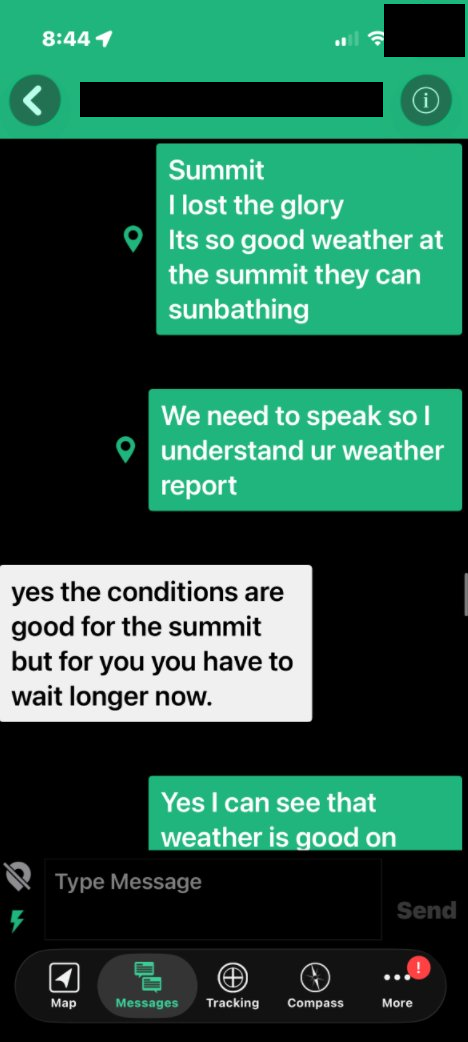
The forecaster's reply was blunt. Giezendanner confirmed the summit conditions on the 16th had been good, but told Snorri his team had simply missed it: "it's a shame you weren't ready for this weather window… now you have to wait at least 10 days." His forecast showed winds climbing sharply from around 60 km/h at the summit on the 16th toward 120 km/h on the 17th - the window had slammed shut behind them.
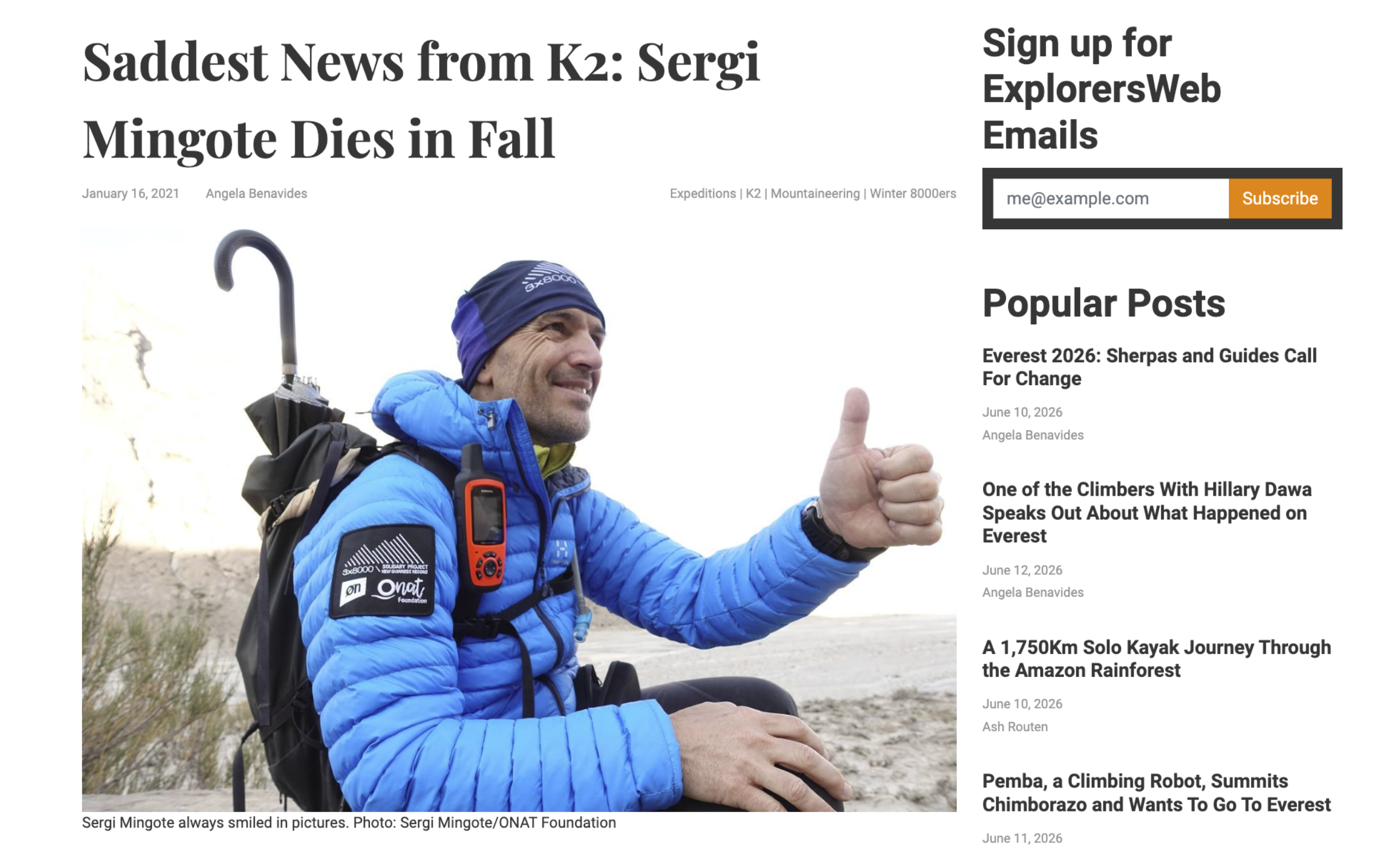
As the Nepalese team made the first winter ascent of K2, the 48-year-old Spanish mountaineer Sergi Mingote fell to his death while descending from Camp 1 toward Advanced Base Camp - a fall of nearly 600 metres. Fellow climbers, including Tamara Lunger and Alex Gavan, rushed to help and called for medical assistance, but nothing could be done. Mingote was the first of the winter season's casualties on the mountain.
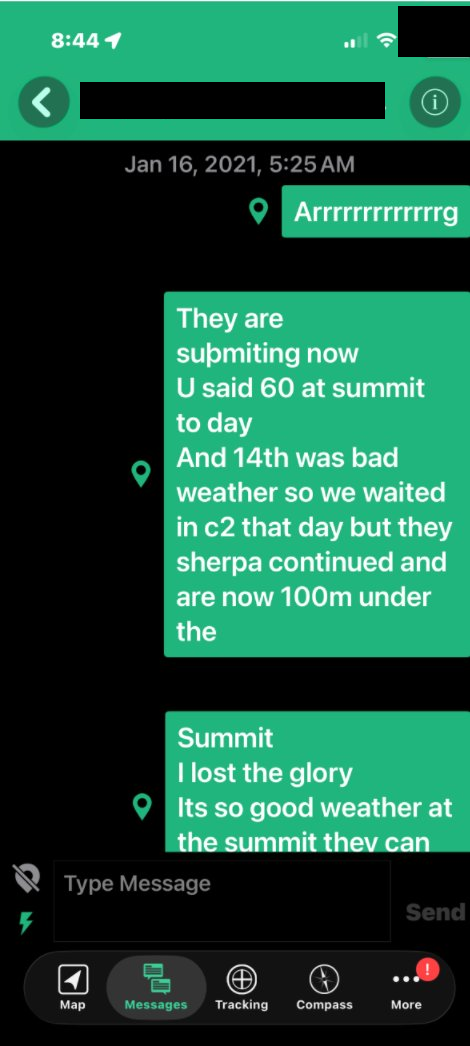
John Snorri had received the forecast for this window from Yan Giezendanner — the same forecaster relied on by Seven Summit Treks - back at base camp on January 12th. When the day came and the Nepalese reached the summit in conditions Snorri described as good enough "to sunbathe," he wrote to Giezendanner: "I lost the glory." His words reflected a man who hadn't fully grasped that the forecast had pointed to the 16th as the window all along.
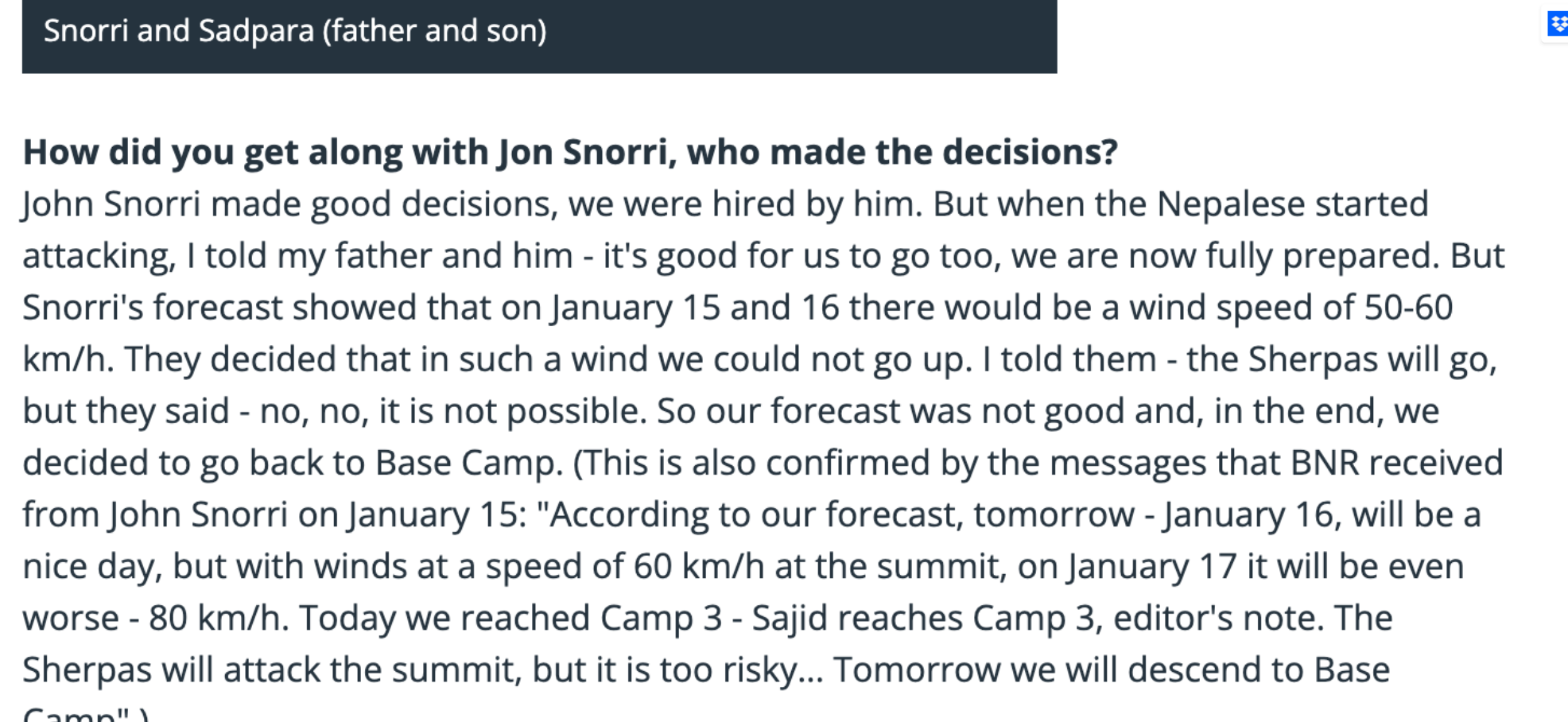
In an audio interview with Bulgarian journalist Tanya Ivanova - corroborated by John Snorri's own text messages on January 15th - Sajid Sadpara explained why the team stood down during the historic window:
Listen to Sajid explain it in his own words
John Snorri made good decisions, we were hired by him. But when the Nepalese started attacking, I told my father and him — it's good for us to go too, we are now fully prepared. But Snorri's forecast showed that on January 15 and 16 there would be a wind speed of 50–60 km/h. They decided that in such a wind we could not go up. I told them — the Sherpas will go, but they said no, no, it is not possible. So our forecast was not good and, in the end, we decided to go back to Base Camp."
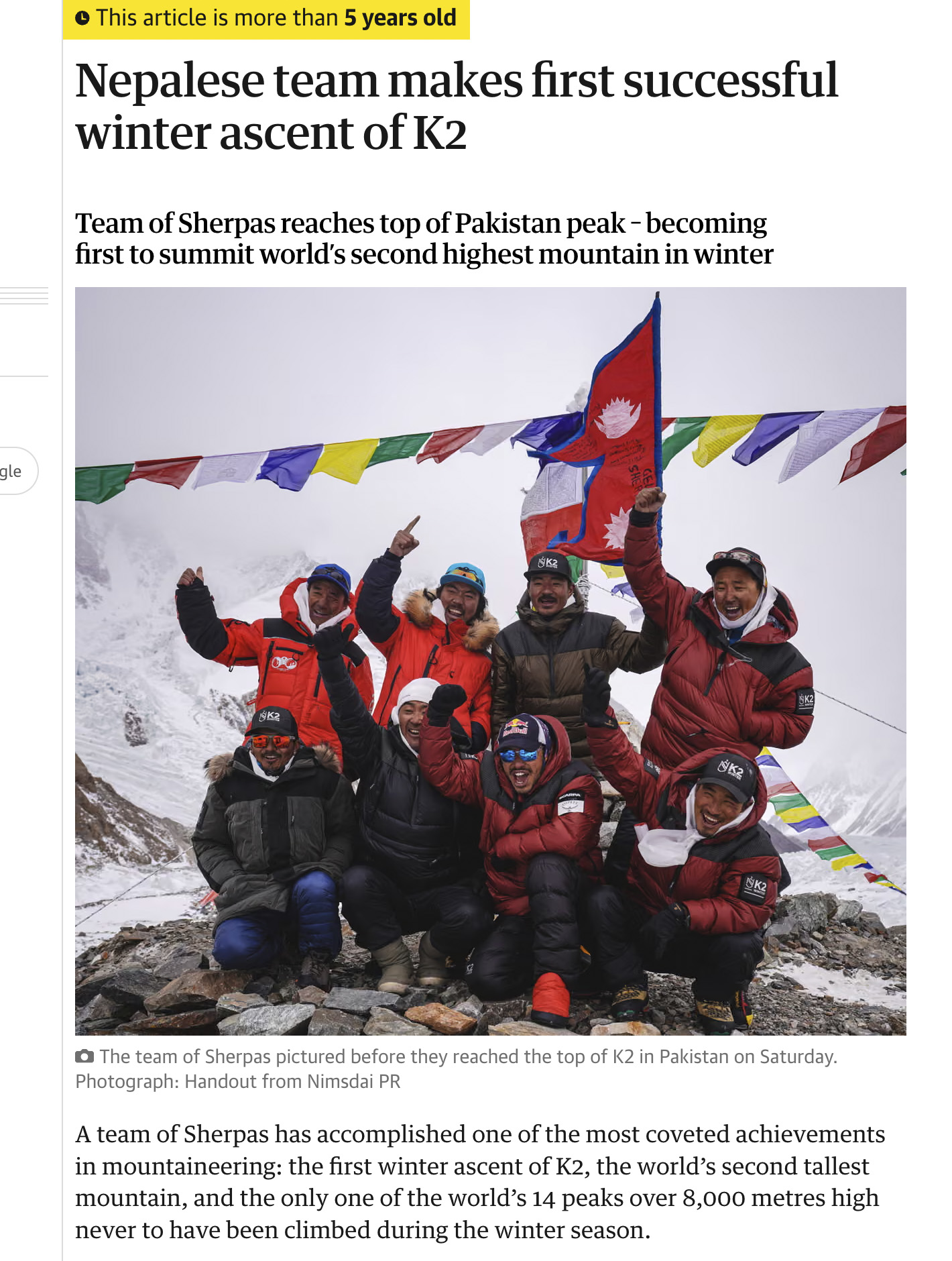
K2 was the last of the world's fourteen 8,000-metre peaks never climbed in winter. On January 16, 2021, a team of ten Nepalese climbers ended that - reaching the summit together, pausing just below the top to step onto it as one while singing their national anthem. Led by figures including Nirmal "Nims" Purja and Mingma Gyalje Sherpa, it was a landmark moment for Nepal and for mountaineering history.
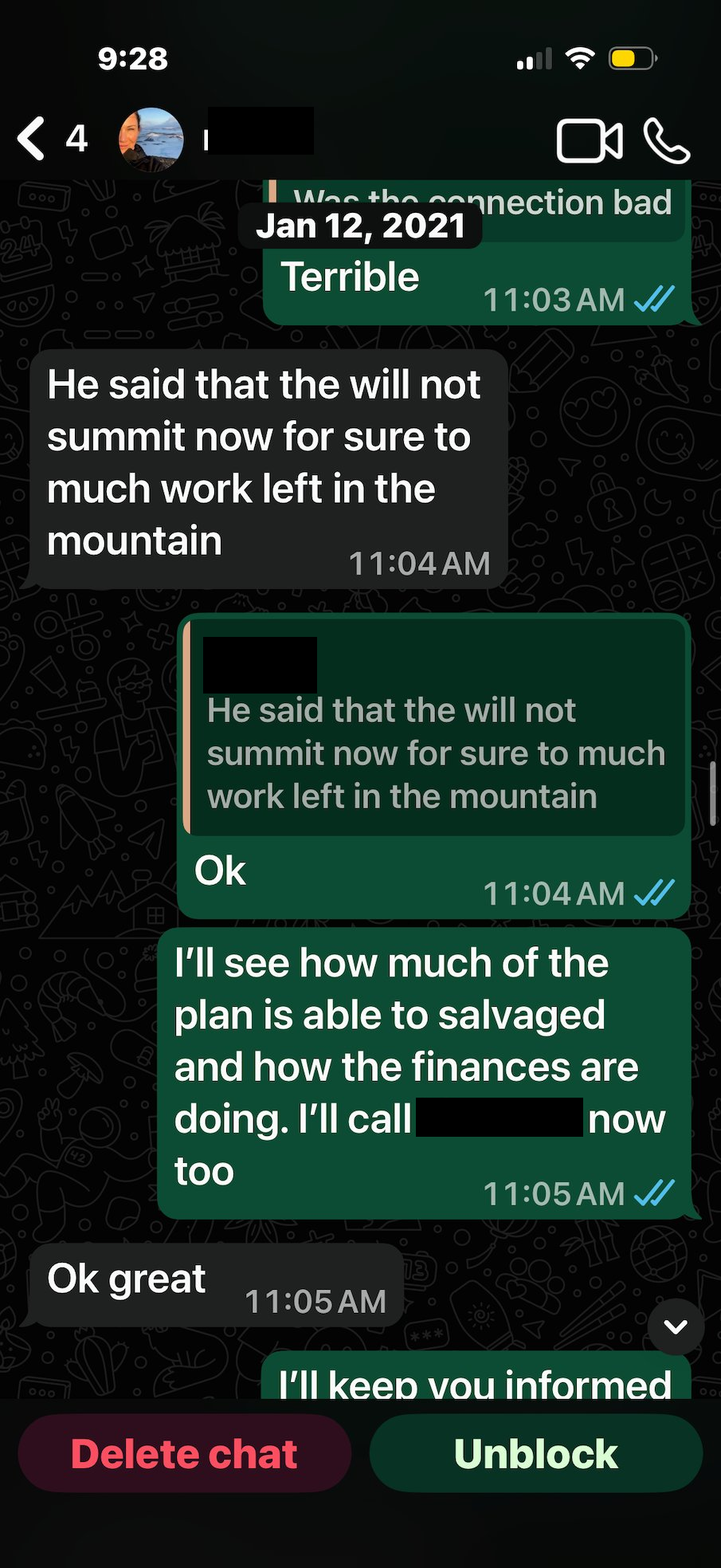
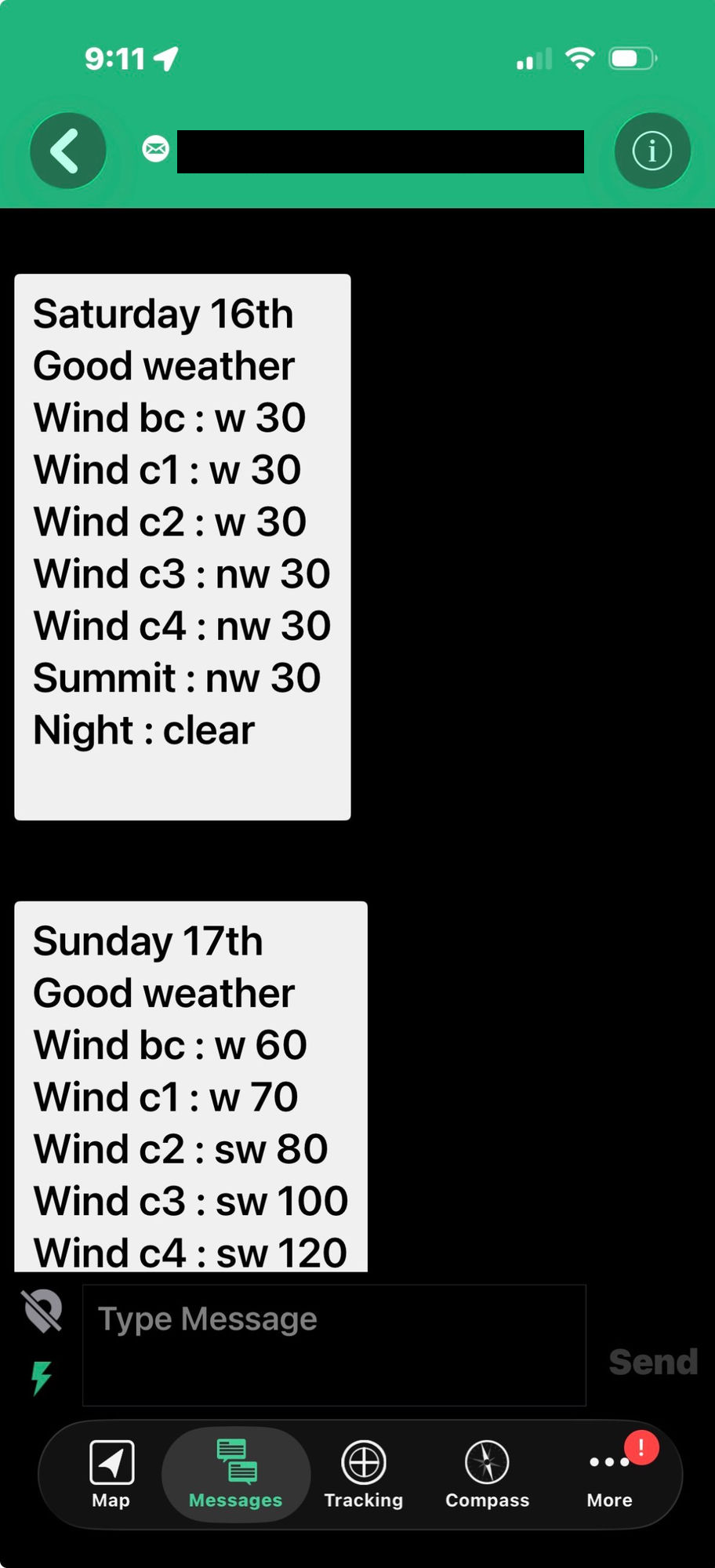
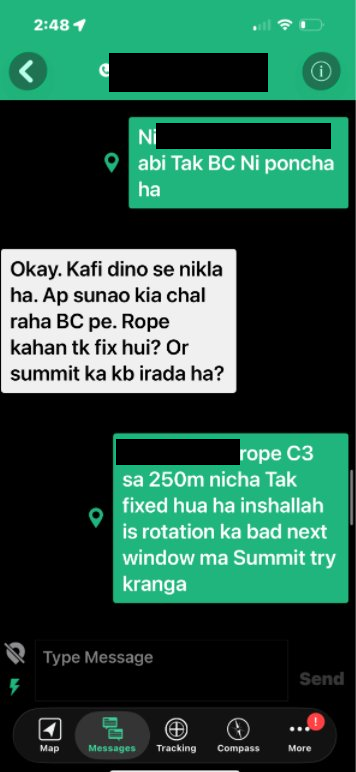
On the day of the historic, near-perfect weather forecast - the very window the Nepalese team used to make the first winter ascent - the Snorri–Sadpara team had no plans to summit. They had no supplies above Camp 2. By their own account there was "too much work left on the mountain," and according to Sajid they intended to try for the top only in a later window after another rotation.
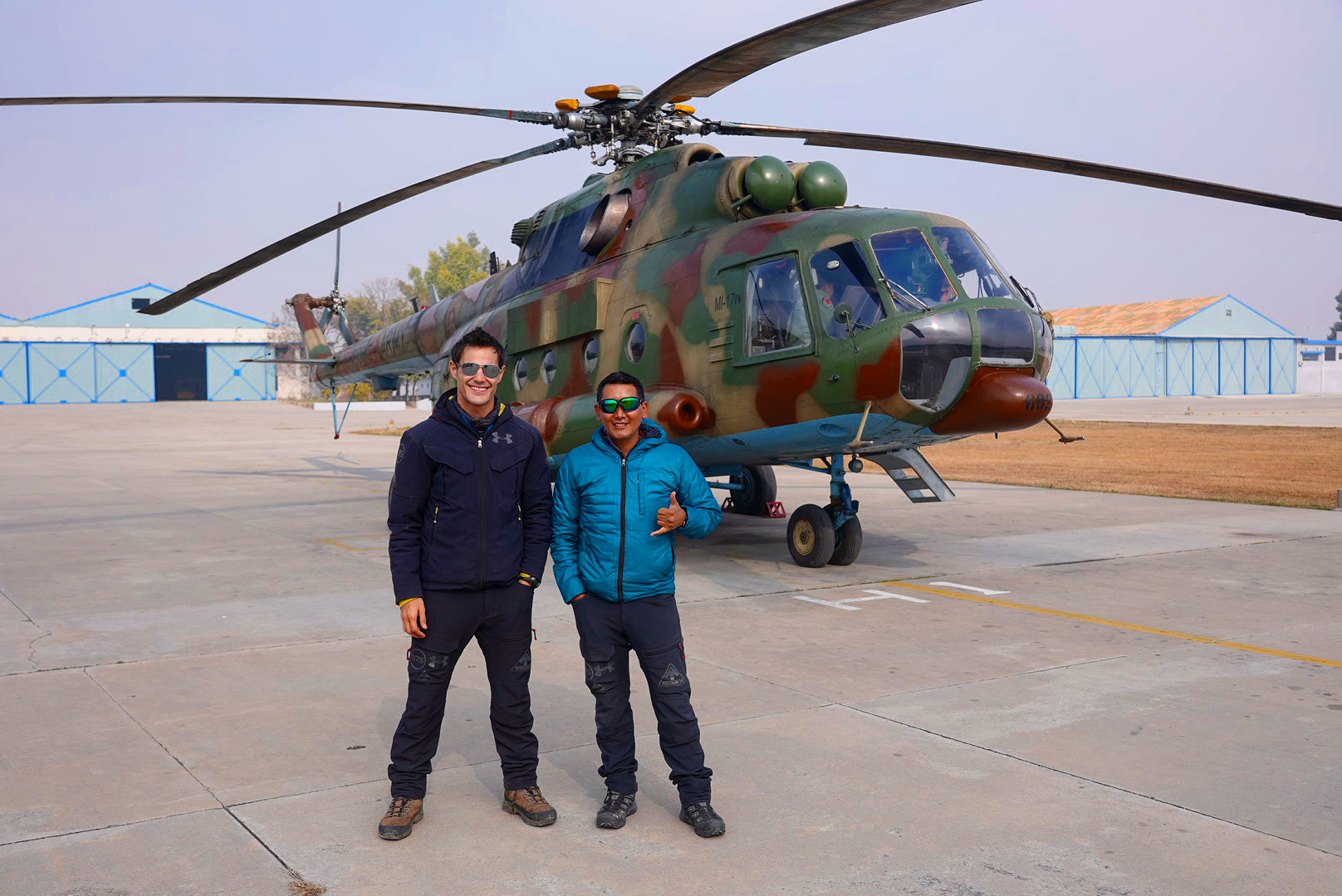
ISPR followed through on its side of the barter: flights to/from K2 in exchange for a few days of footage, to be delivered back by helicopter from base camp.
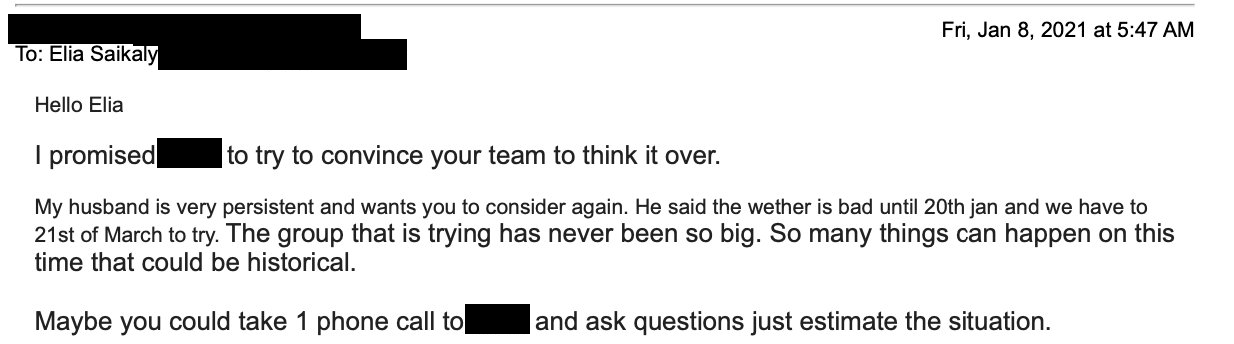
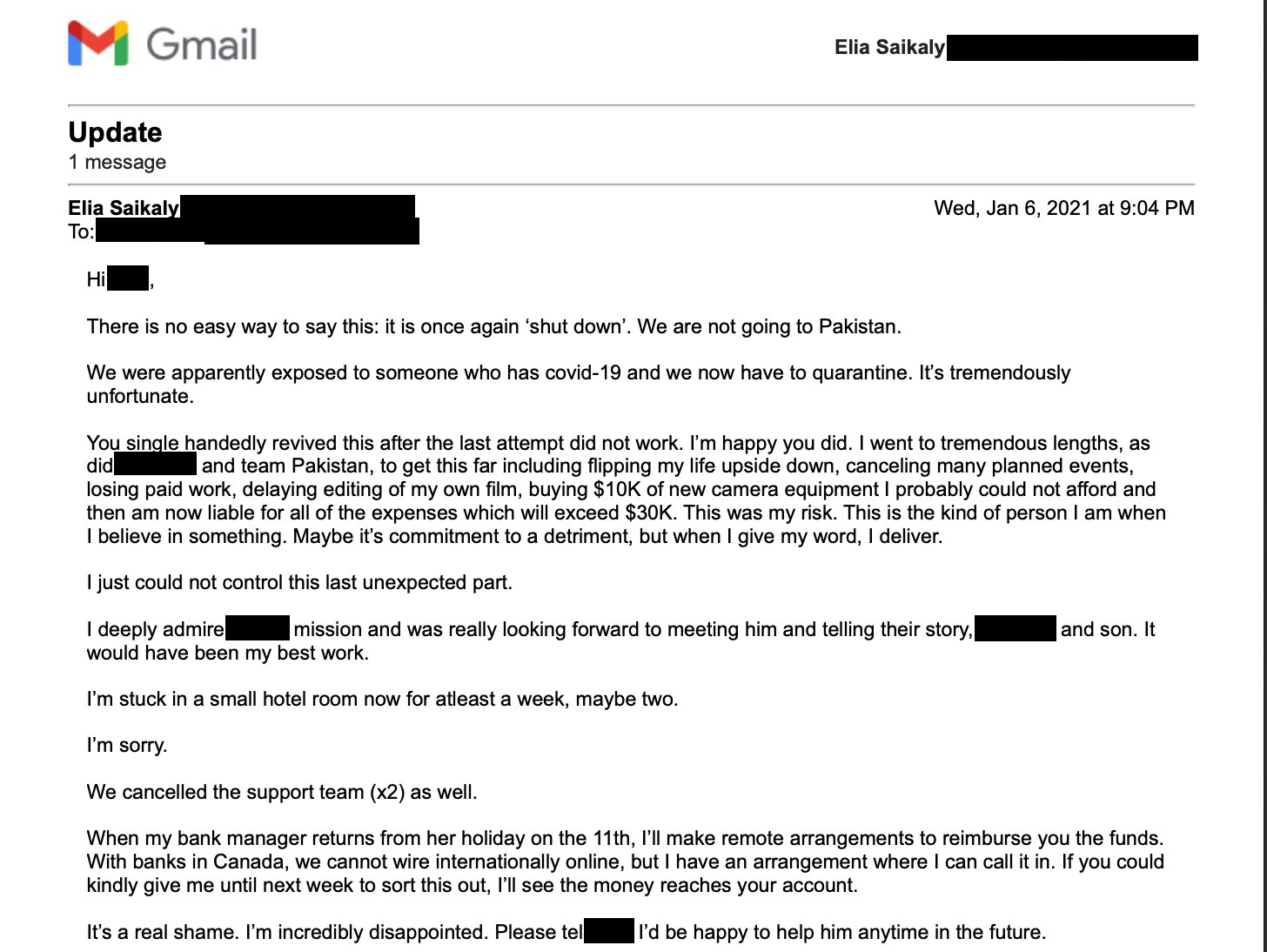
Even after Saikaly shut the project down over a COVID-19 exposure, the Snorri side wouldn't let it rest. Writing on John's behalf, his team relayed that he was "very persistent" and wanted Saikaly to reconsider: the weather would break by the 20th, the window ran to March 21st, the team was the largest ever assembled, and history was within reach. "When we have obstacles," the message read, "we think how... can we get over it and beat it."
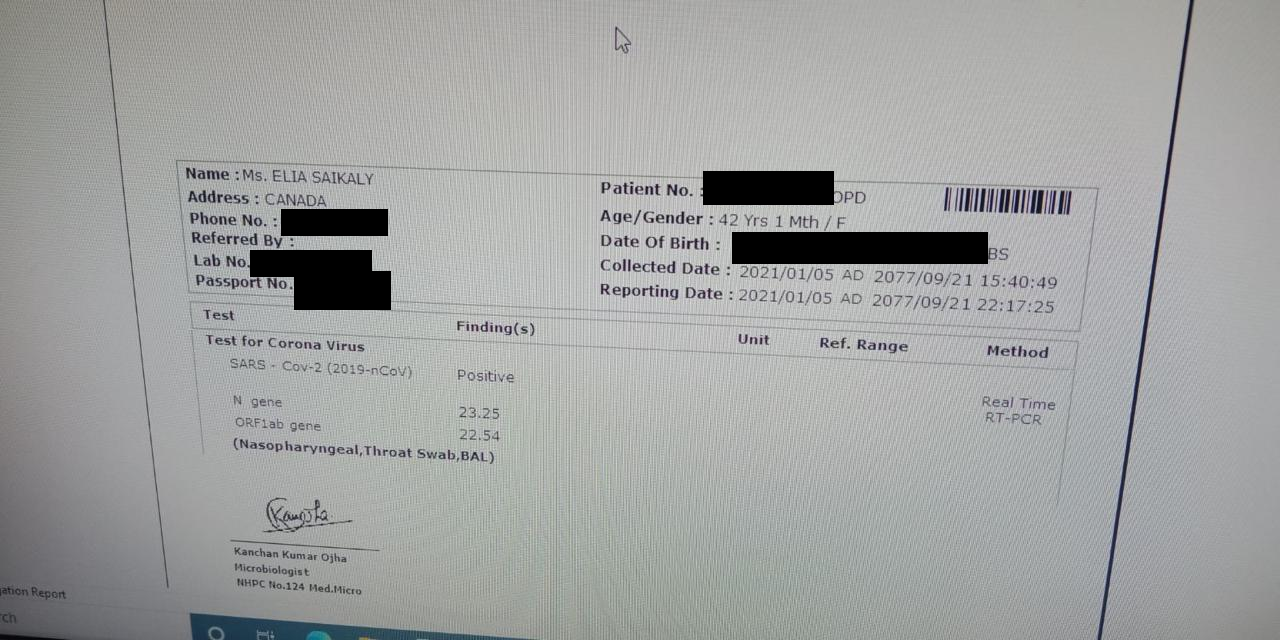
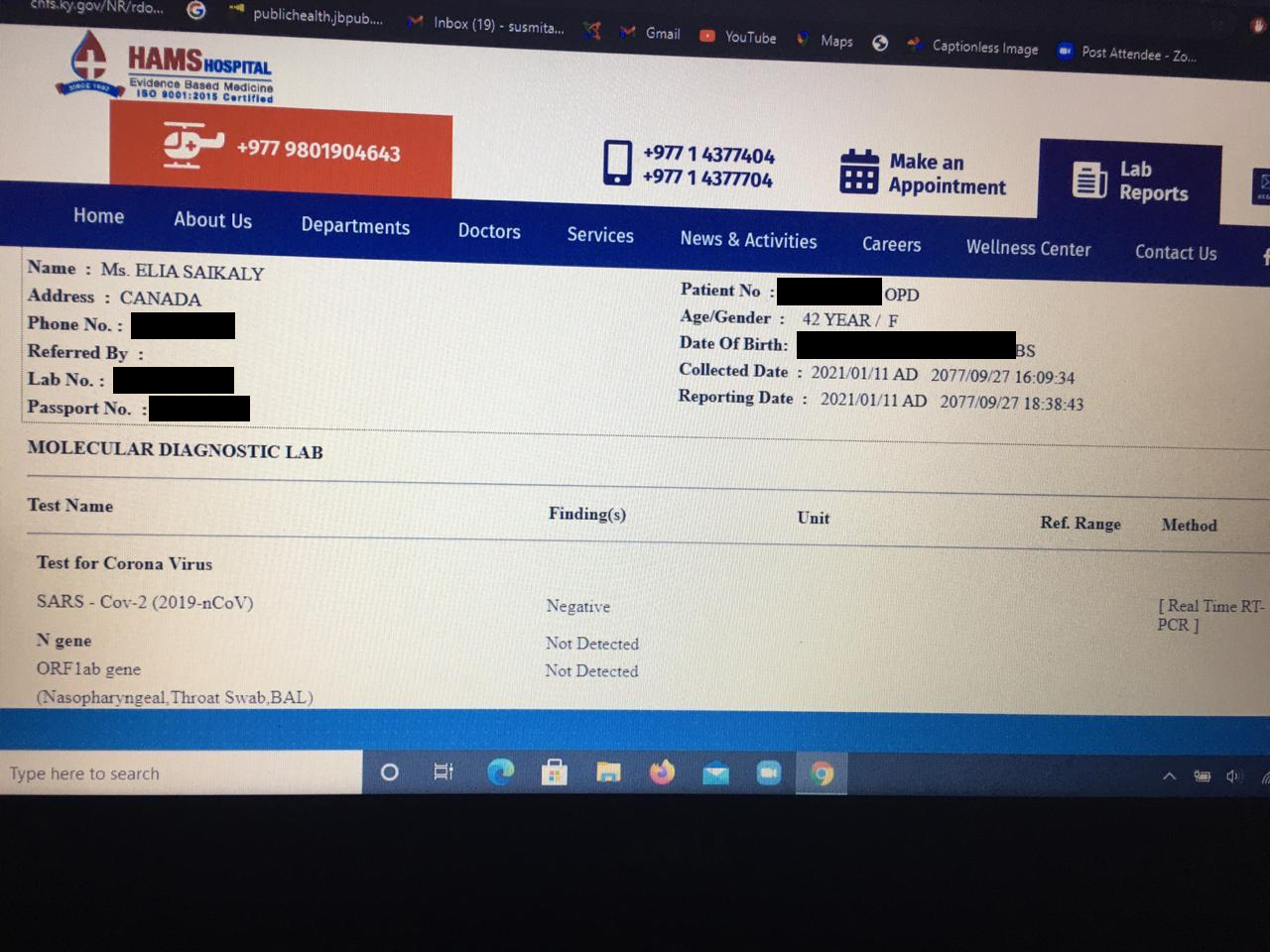
While acclimatizing in Nepal ahead of the K2 expedition, Saikaly received unfortunate news: his COVID-19 PCR test came back positive. The diagnosis forced him into quarantine and threw the entire project into doubt once again. He would test negative and be cleared five days later, on January 10th.
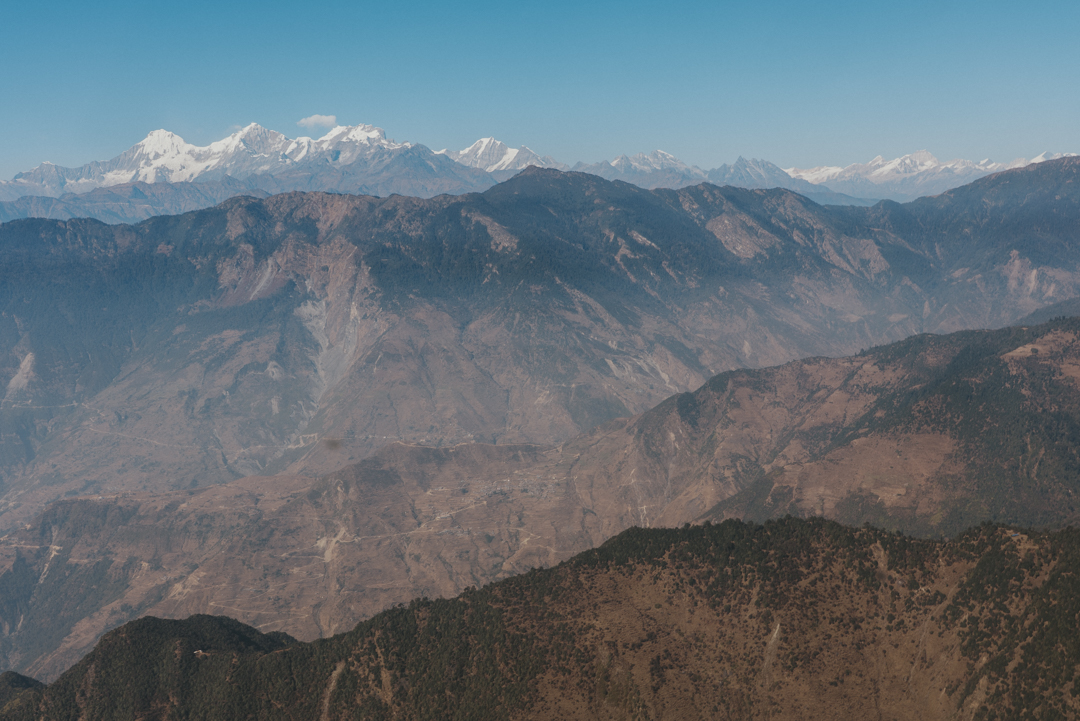
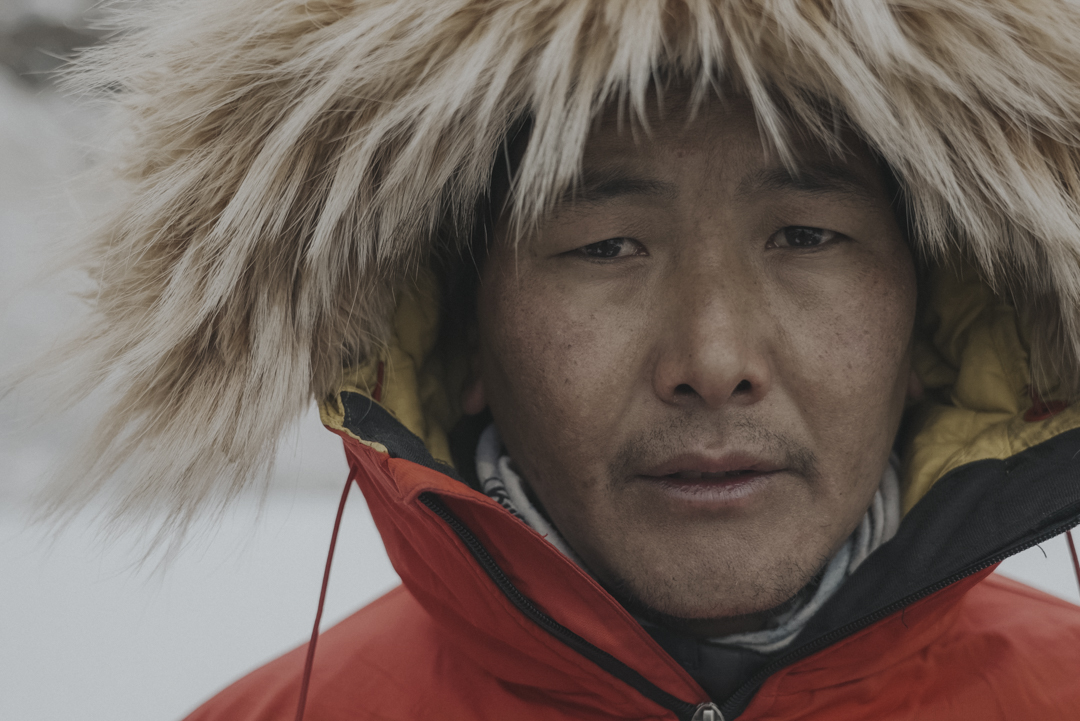
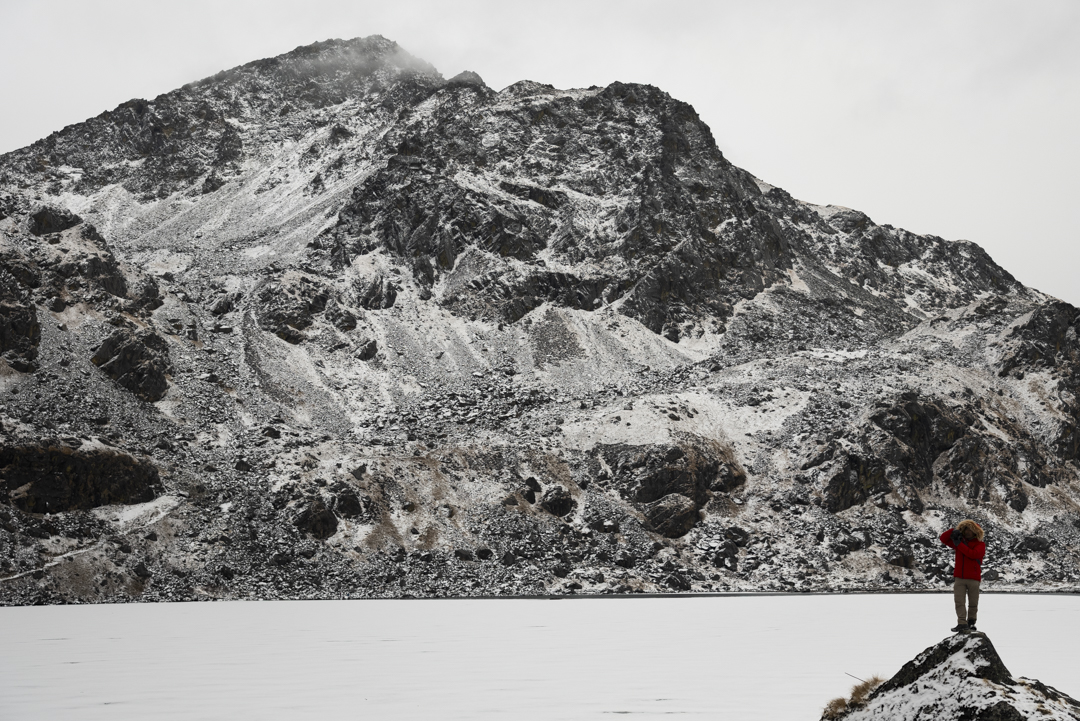
On December 28th, Saikaly flew to Nepal and joined his climbing partner, Pasang Kaji (PK) Sherpa. In the final days of the month the two began building altitude, taking a helicopter up to Gosainkunda (4,380 m) to acclimatize before continuing on to Pakistan and K2.
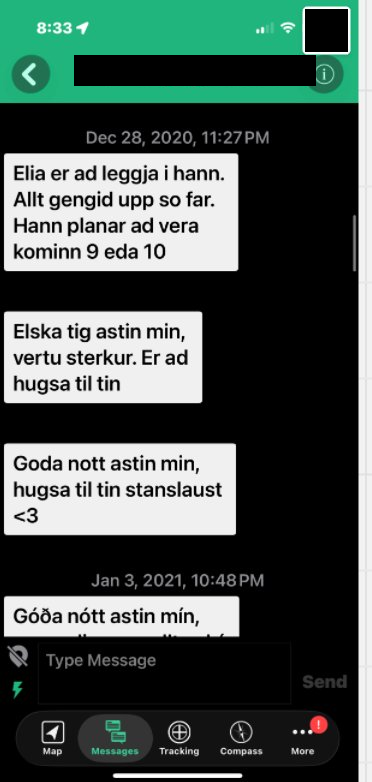
That same day, writing in Icelandic, John's team told him "Elia is setting off," that everything had gone well so far.
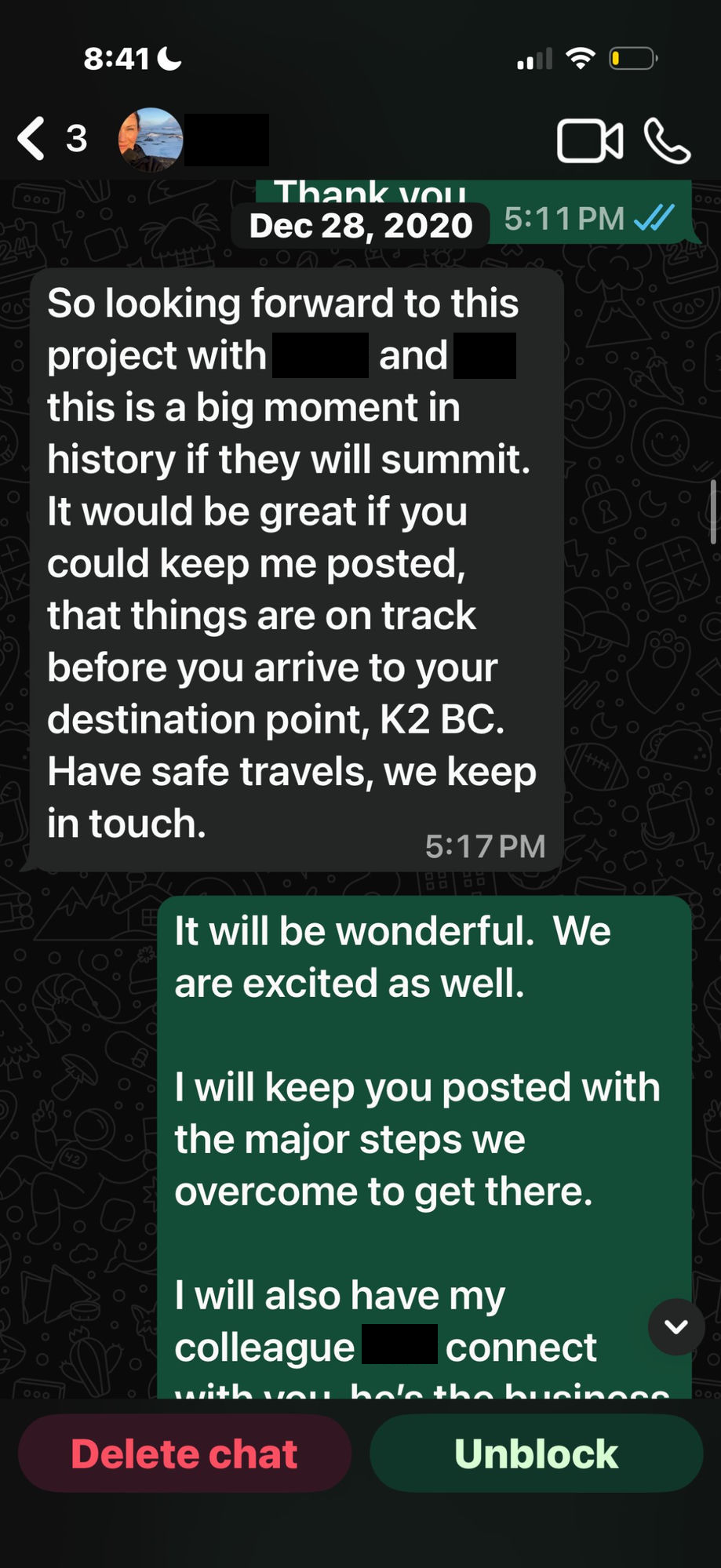

- they pressed to continue and stepped in financially, effectively becoming investors in their own story. By the 28th, the mission was back on: bags packed, flight booked, drone sorted, and the money moving. As they put it, "this is a big moment in history if they will summit."
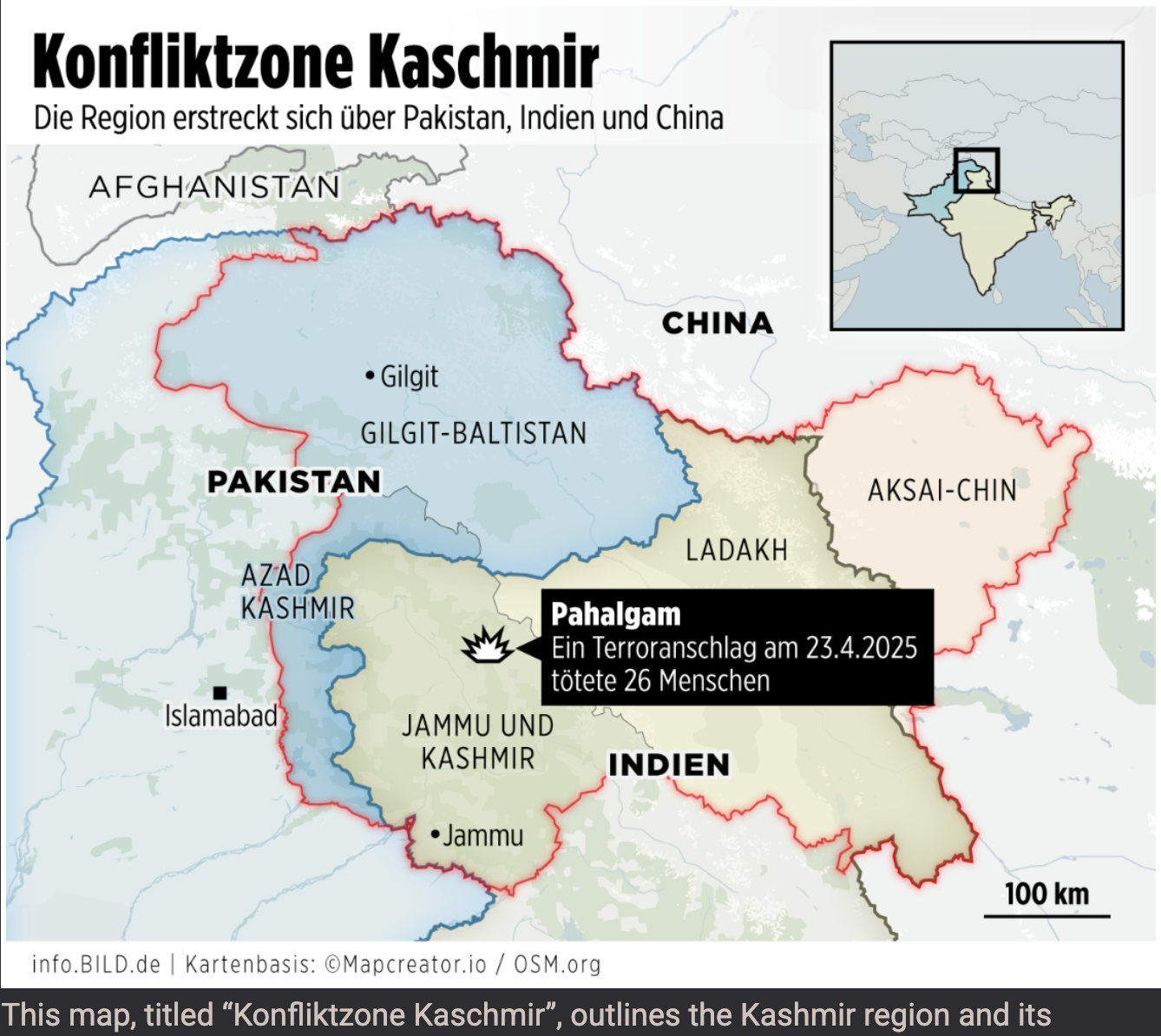
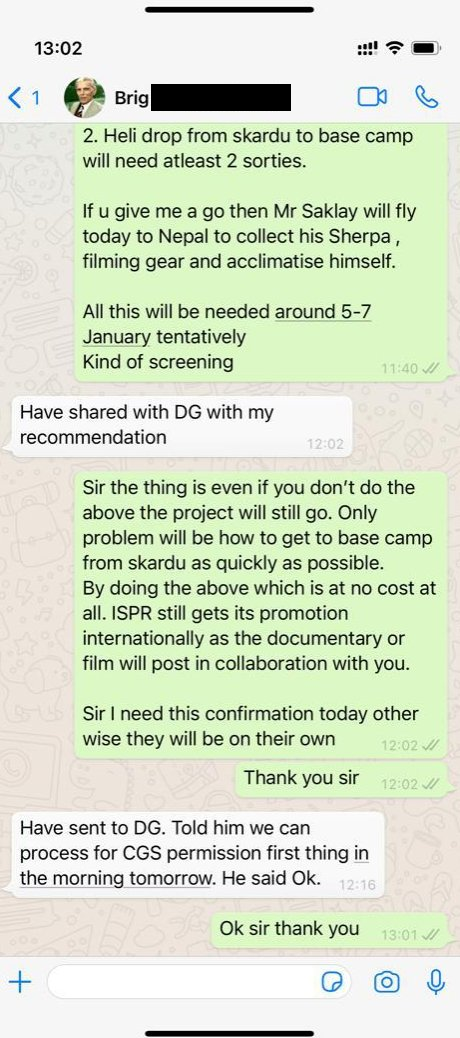
K2's approach sits inside a restricted military zone, so the helicopter drop from Skardu to base camp couldn't happen without the army's blessing. The fixer worked it through a Brigadier from ISPR, with CGS permission set to be processed the next morning. The fixer made it clear: the expedition would go ahead with or without the heli drop or ISPR. (Swipe for the exchange)
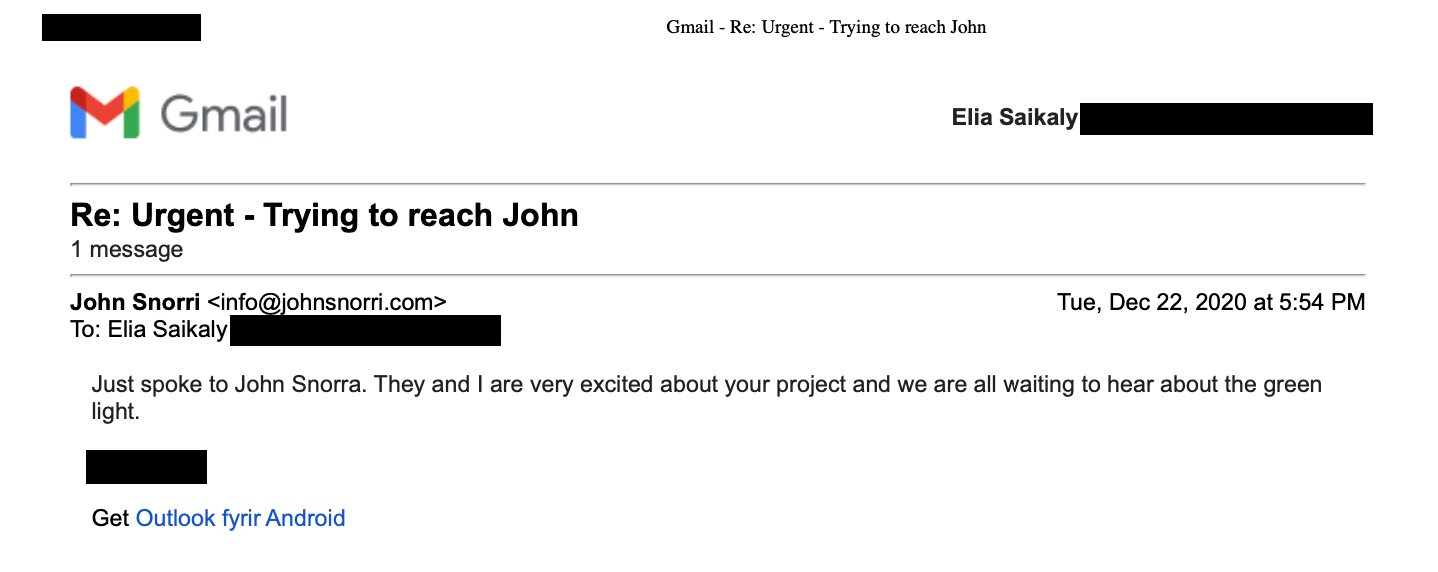
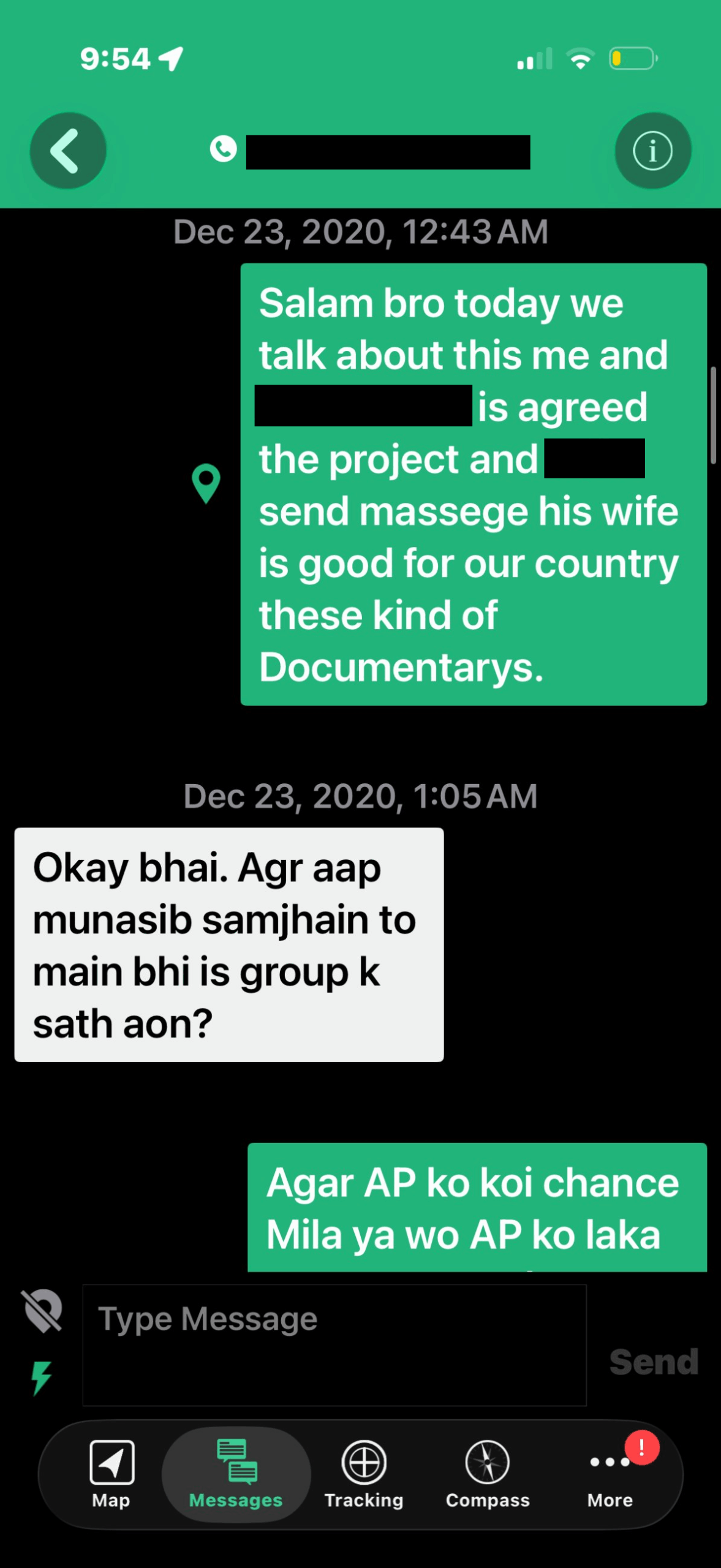
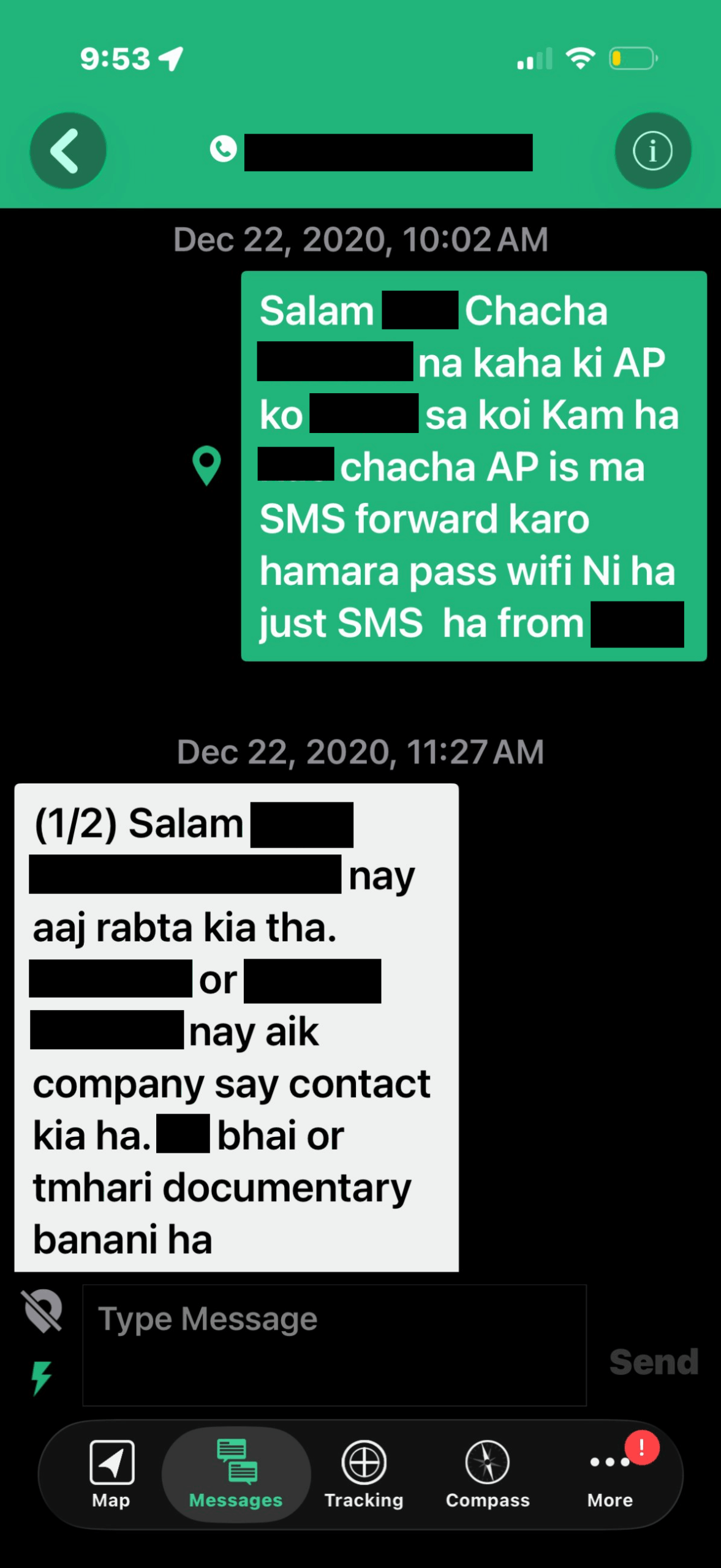
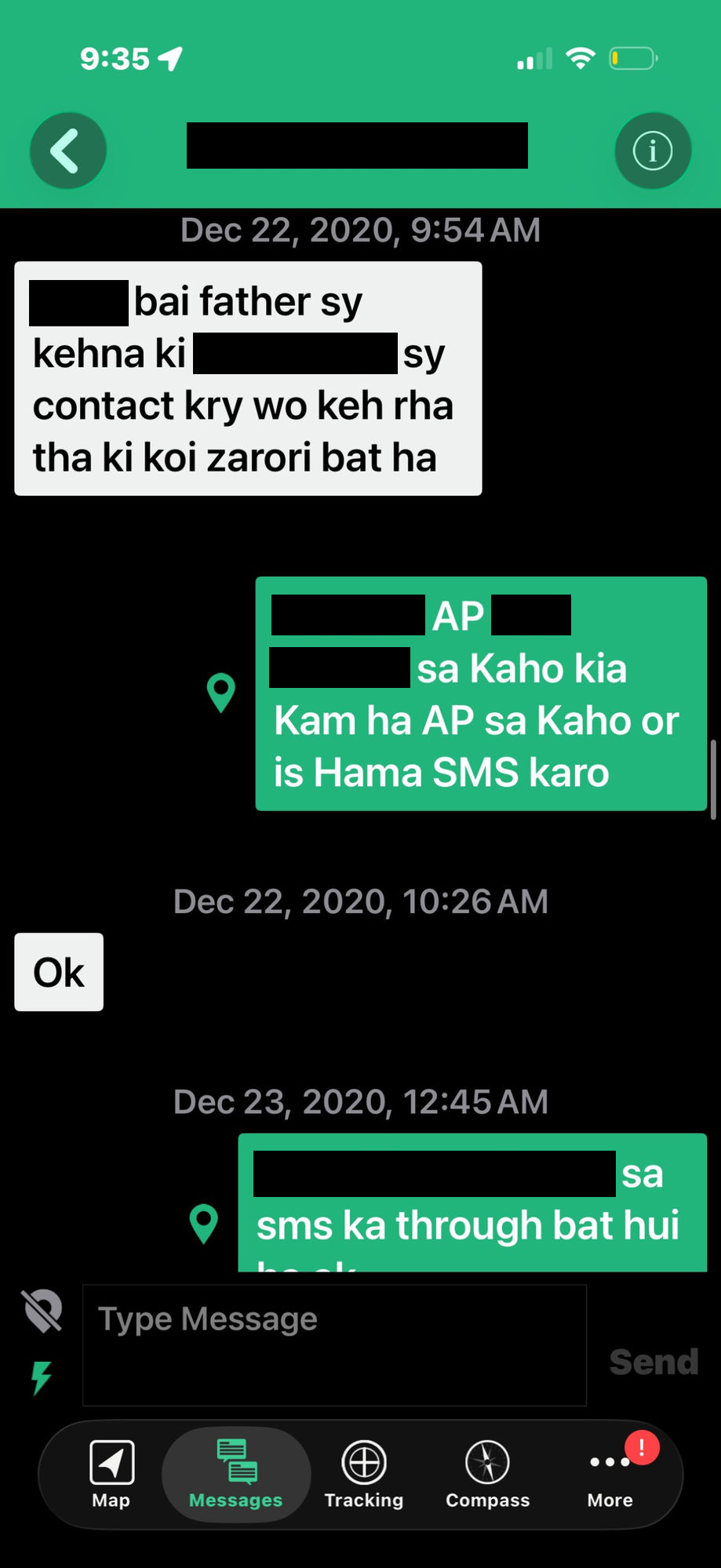
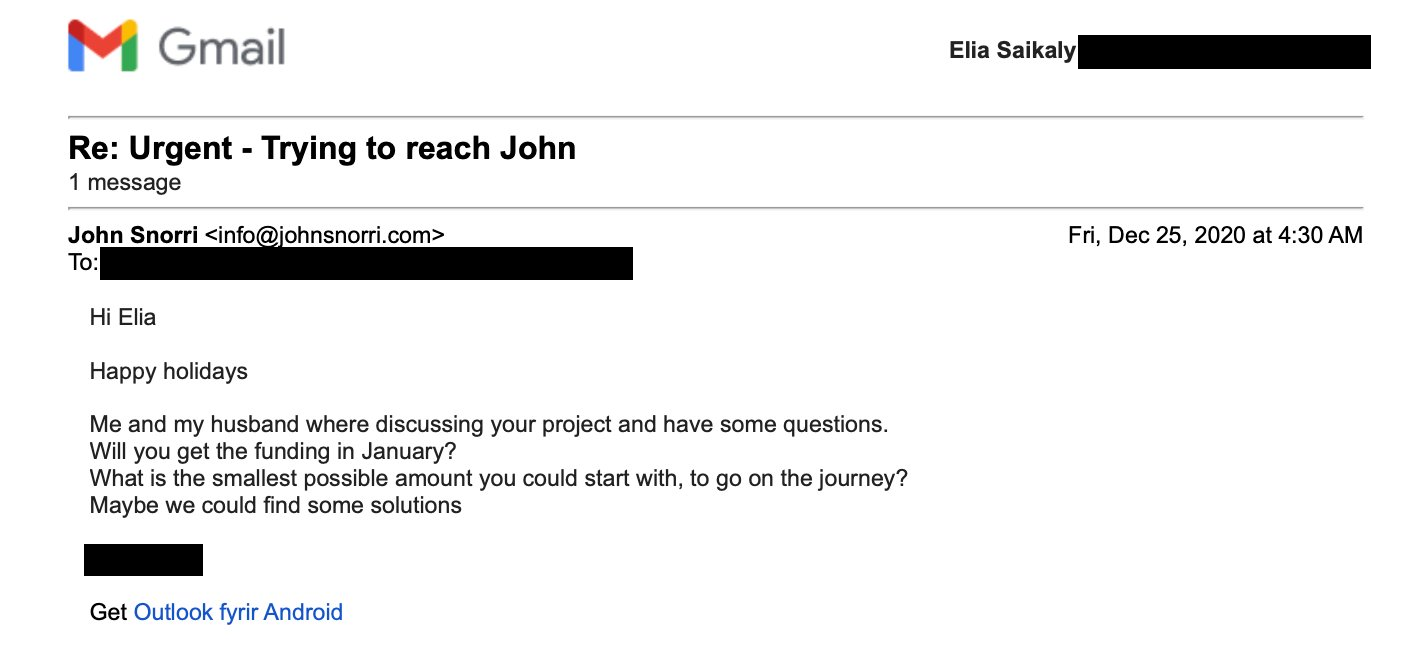
The pieces fell into place in a matter of days. Ali Sadpara's manager gave his blessing — "He'll definitely say yes." Word traveled over the satellite messenger until the agreement was sealed: "me and John snorri is agreed the project." Then John Snorri himself closed it — "Yes, let's make this work.
Sajid Sadpara said the overwhelming love and support for his father, national hero Ali Sadpara, had given great strength to him, his younger brothers, his sister, and his mother. On returning to Skardu and meeting the media, Sajid stated that the climbers had gone missing in the death zone, that the chances of their survival were minimal, and that no more lives should be placed in danger during the search. Saikaly, who had worked alongside the three men and counted them as friends, paid tribute to John Snorri, Ali Sadpara, and Juan Pablo Mohr.
One of the most widely circulated photographs taken by Elia Saikaly from the expedition shows Ali Sadpara holding a Thuraya satellite phone at base camp. Yet in the days after the climbers disappeared, Sajid Sadpara stated in the media in Skardu after departing K2 that the summit team had carried no radio and no satellite phone - and when Sajid searched for the devices in the summer of 2021, no phone was ever recovered.
Saikaly had come to K2 to tell one story; in the end, a very different one unfolded in front of his lens. He and the Snorri team had worked closely from the start, and he and PK Sherpa had endured a relentless stretch - two summit pushes and an ambitious plan to follow and film three of the strongest climbers on the mountain, largely unacclimatized, short one support HAP, and only recently recovered from COVID on January 10th. The team did what was required to support the three climbers. On February 8th, Saikaly departed base camp for Skardu.
Two days after turning back at the Bottleneck for want of oxygen — while his father continued toward the summit - Sajid Sadpara was flown down and received by officials at Aviation Skardu. He returned home alone, his father Ali still missing on K2 as the search operation continued. For the 21-year-old, it was a devastating homecoming: down off the mountain, but without the men he had climbed it with.
Saikaly joined one of the search-and-rescue flights, where the pilots identified a few potential leads that seemed to match the yellow and red down suits John Snorri and Ali Sadpara had been wearing. From a great distance it looked like a solid lead — but a telephoto lens, a closer fly-by, and an expanded view later on a laptop revealed the objects to be a similarly coloured tent, mat, and sleeping bag. The imagery was shared with three governments across three countries - reflecting the international scope of the search for the missing climbers.
Having turned back at the Bottleneck the day before after an oxygen-regulator failure, Sajid Sadpara continued down K2 alone on the 6th - carrying the team's single radio. He left his father, Ali, John Snorri, and Juan Pablo Mohr still high on the mountain, last seen pushing for the summit on the 5th.
Behind Ali, John, and Sajid's expedition stood the base camp team - among them Mohsin and Shahid, who kept the camp running from dawn until late at night. They were never just staff. Mohsin, a 15-year friend of Ali Sadpara who had worked alongside him for years, and Shahid were close to the family and bonded to the climbers through weeks of shared life on the mountain. They waited through the long silence after February 5th like the friends they were - concerned, hoping, and holding on for word that never came.
Sajid Sadpara had turned back at the Bottleneck after an oxygen failure and descended alone, without his father, Ali — carrying the team's single radio. Imtiaz and Akbar, friends and relatives of the Sadparas, met him at Advanced Base Camp (ABC) and walked him the rest of the way back to base camp. He returned without the rest of the team.
John Snorri and Ali Sadpara had not been seen or heard from since the morning of the 5th. PK Sherpa, Fazal Ali, and Saikaly — now without Jalal — made a three-day push from base camp to Camp 3, after two and a half weeks on the mountain. They suffered but kept climbing, loaded like mules and gathering footage the whole way, trying to catch up with John, Ali, and Sajid. The two teams had crossed paths at Camp 2, and the plan had been to follow and film the climbers as far as their strength allowed from Camp 3. As the silence stretched on, the team could only pray for a miracle.
The red mark on the slope is the down suit Atanas Skatov was ejected from during his fall on February 5th, photographed by Saikaly during his own descent — hours before John Snorri, Ali Sadpara, and Juan Pablo Mohr were reported missing high on the mountain. (Swipe to see Lakpa Dendi, the last person to see the Bulgarian climber alive.)
Bulgaria's Atanas Skatov perished on the morning of February 5th after falling during his descent near Japanese Camp 3.
His death was announced by Chhang Dawa Sherpa, expedition leader of Seven Summit Treks:
"Rest in peace, Atanas. Friday 5 February, around 10:30am, our member Atanas from Bulgaria fell from the rope near Japanese C3. Atanas was climbing with his Sherpa and went a few metres ahead so the Sherpa could see it properly. While changing his safety from one rope to the other, it seems some errors occurred and he fell down. Sona, Pechhumbe and I went to the spot and retrieved the body. The army was extremely quick and efficient."
As the weather window slammed shut on February 5, climbers at Camp 3 (7,300m) began descending through the morning and early afternoon, most having already judged the strengthening winds and extreme cold too dangerous to push higher. Colin O'Brady, Tamara Lunger, Noel Hanna, Tomaz Rotar, and other Seven Summit Treks climbers also turned back at Camp 3 and descended. Bulgarian climber Atanas Skatov was not as fortunate - he fell to his death while descending the Black Pyramid. Slightly kower on the mountain, Elia Saikaly, PK Sherpa, and Fazal Ali were already on their way down, following the unfolding chaos by radio and witnessing Skatov's fall.
Saikaly's team decided to hold at Japanese Camp 3, weighing a shortage of oxygen and a sober risk assessment against any attempt to climb higher. Extra oxygen that had been purchased from the local outfitter could not be located on the mountain.
A narrow weather window briefly opened on K2 around February 4–5 — calmer skies in temperatures near −40°C, enough for a fast push from Camp 3 or 4 with almost no margin for error. Nearly 20 climbers moved up in that frenzied period, including Colin O'Brady and others from the Seven Summit Treks expedition. Most turned back. A small independent team of four - John Snorri, Ali Sadpara, his son Sajid, and Juan Pablo Mohr - pressed on without oxygen. Their decision ended in tragedy.
A Sadpara family friend, Mohsin is a highly experienced Pakistani high-altitude cook from Gilgit-Baltistan, with nearly 21 years in the mountaineering industry - most of it with Jasmin Tours. He came into the profession young, around 16 or 17, and quickly earned a reputation as reliable and skilled. Ali Sadpara personally chose and mentored him, working alongside him for over 15 years and regularly recommending him to international clients for his professionalism and dedication.
After shooting hero portraits of each team member against the K2 backdrop just after twilight, Shahid, a member of the kitchen staff, stepped out into the sub-zero air. Known around camp for his comedic entrances into the dining tent - often just his head poking through a gap in the zipper - he was coaxed by Saikaly into posing in front of the mountain. His instinct was a big smile and two thumbs up.
The second major weather window of the winter season turned into a complete failure. Elia Saikaly and Pasang Kaji Sherpa located the Snorri–Sadpara team at the base of K2 after their supplies had blown off the mountain from Japanese Camp 3.
This marked the team's second critical setback. They spent valuable time and energy searching for lost gear — including summit masks and a radio — leaving them with only one working radio on the mountain and one at Base Camp ahead of their eventual summit attempt on February 5.
Ten days before the final summit push, Ali Sadpara received public backing for his greatest ambition. The Tourism Minister of Gilgit-Baltistan, Raja Nasir Ali Khan — a civilian provincial minister, not the military — announced cash prizes for Ali and his son and sponsorship for the remaining six of the fourteen 8,000-metre peaks, the goal that would make Ali the first Pakistani to climb them all.
On 23 January, John Snorri and Ali and Sajid Sadpara received a weather report showing a tiny summit window. Saikaly and PK Sherpa climbed for over 24 hours straight before reaching a point where they decided to pack it in. Still recovering from COVID and unacclimatized, they had set out to chase the team — but never saw them once.
We spent a brutal night in a tent like sardines in a can. I couldn’t help but laugh at the image of 4 men piled into a small tent. The next morning, we assumed John, Ali and Sajid had made the summit. For us, it was over, but we felt good having made the effort.
Alongside Saikaly on the mountain was his climbing partner and close friend, Pasang Kaji (PK) Sherpa - the two of them moving together through every push, including the 24-hour effort to chase the summit team.
Ali Sadpara's reputation speaks for itself. The Pakistani mountaineer's experience on the 8,000-metre peaks is vast — in both summer and winter — including a place on the first-ever winter ascent of Nanga Parbat in 2016. At K2 base camp, Saikaly met and interviewed Ali several times and gathered footage around the camp. Among the stories Ali shared was the 2019 attempt to save Bulgarian climber Ivan Tomov on Lhotse — a night Ali spent at his side before Tomov died on the descent.
On January 20th, at K2 base camp, Saikaly interviewed John Snorri of Iceland — the climber whose persistence had kept the project alive through every cancellation. Caught here in a lighter moment, Snorri spoke about the climb ahead, why he was climbing and what reaching the summit would mean.
Two days after the Nepalese team made history with the first winter ascent, Saikaly and Pasang Kaji (PK) Sherpa arrived at K2. On January 20th, they interviewed Sajid Sadpara — son of Pakistani climber Ali Sadpara — who was attempting the mountain alongside his father and their teammate, John Snorri of Iceland.
After weeks of collapsed funding, two cancellations, a COVID quarantine, and permissions wrangled across a militarized zone, Saikaly and PK Sherpa reached the mountain at last.
The day after the historic ascent, General Javed of the FCNA (Force Command Northern Areas), Gilgit, came up to K2 base camp to meet the team. The military's support proved invaluable: with their help, the body of Sergi Mingote — recovered by Sherpas after his fatal fall on the 16th — was flown down to Skardu by army helicopter. Throughout the season, the Pakistan Army's assistance with logistics, evacuations, and search efforts was a vital lifeline for the climbers on the mountain.
The forecaster's reply was blunt. Giezendanner confirmed the summit conditions on the 16th had been good, but told Snorri his team had simply missed it: "it's a shame you weren't ready for this weather window… now you have to wait at least 10 days." His forecast showed winds climbing sharply from around 60 km/h at the summit on the 16th toward 120 km/h on the 17th - the window had slammed shut behind them.
As the Nepalese team made the first winter ascent of K2, the 48-year-old Spanish mountaineer Sergi Mingote fell to his death while descending from Camp 1 toward Advanced Base Camp - a fall of nearly 600 metres. Fellow climbers, including Tamara Lunger and Alex Gavan, rushed to help and called for medical assistance, but nothing could be done. Mingote was the first of the winter season's casualties on the mountain.
John Snorri had received the forecast for this window from Yan Giezendanner — the same forecaster relied on by Seven Summit Treks - back at base camp on January 12th. When the day came and the Nepalese reached the summit in conditions Snorri described as good enough "to sunbathe," he wrote to Giezendanner: "I lost the glory." His words reflected a man who hadn't fully grasped that the forecast had pointed to the 16th as the window all along.
In an audio interview with Bulgarian journalist Tanya Ivanova - corroborated by John Snorri's own text messages on January 15th - Sajid Sadpara explained why the team stood down during the historic window:
Listen to Sajid explain it in his own words
John Snorri made good decisions, we were hired by him. But when the Nepalese started attacking, I told my father and him — it's good for us to go too, we are now fully prepared. But Snorri's forecast showed that on January 15 and 16 there would be a wind speed of 50–60 km/h. They decided that in such a wind we could not go up. I told them — the Sherpas will go, but they said no, no, it is not possible. So our forecast was not good and, in the end, we decided to go back to Base Camp."
K2 was the last of the world's fourteen 8,000-metre peaks never climbed in winter. On January 16, 2021, a team of ten Nepalese climbers ended that - reaching the summit together, pausing just below the top to step onto it as one while singing their national anthem. Led by figures including Nirmal "Nims" Purja and Mingma Gyalje Sherpa, it was a landmark moment for Nepal and for mountaineering history.
On the day of the historic, near-perfect weather forecast - the very window the Nepalese team used to make the first winter ascent - the Snorri–Sadpara team had no plans to summit. They had no supplies above Camp 2. By their own account there was "too much work left on the mountain," and according to Sajid they intended to try for the top only in a later window after another rotation.
ISPR followed through on its side of the barter: flights to/from K2 in exchange for a few days of footage, to be delivered back by helicopter from base camp.
Even after Saikaly shut the project down over a COVID-19 exposure, the Snorri side wouldn't let it rest. Writing on John's behalf, his team relayed that he was "very persistent" and wanted Saikaly to reconsider: the weather would break by the 20th, the window ran to March 21st, the team was the largest ever assembled, and history was within reach. "When we have obstacles," the message read, "we think how... can we get over it and beat it."
While acclimatizing in Nepal ahead of the K2 expedition, Saikaly received unfortunate news: his COVID-19 PCR test came back positive. The diagnosis forced him into quarantine and threw the entire project into doubt once again. He would test negative and be cleared five days later, on January 10th.
On December 28th, Saikaly flew to Nepal and joined his climbing partner, Pasang Kaji (PK) Sherpa. In the final days of the month the two began building altitude, taking a helicopter up to Gosainkunda (4,380 m) to acclimatize before continuing on to Pakistan and K2.
That same day, writing in Icelandic, John's team told him "Elia is setting off," that everything had gone well so far.
- they pressed to continue and stepped in financially, effectively becoming investors in their own story. By the 28th, the mission was back on: bags packed, flight booked, drone sorted, and the money moving. As they put it, "this is a big moment in history if they will summit."
K2's approach sits inside a restricted military zone, so the helicopter drop from Skardu to base camp couldn't happen without the army's blessing. The fixer worked it through a Brigadier from ISPR, with CGS permission set to be processed the next morning. The fixer made it clear: the expedition would go ahead with or without the heli drop or ISPR. (Swipe for the exchange)
The pieces fell into place in a matter of days. Ali Sadpara's manager gave his blessing — "He'll definitely say yes." Word traveled over the satellite messenger until the agreement was sealed: "me and John snorri is agreed the project." Then John Snorri himself closed it — "Yes, let's make this work.
Copyright © 2026 Elia Saikaly. All rights reserved.